



Ride-hailing platforms are expected to expand beyond passenger transport and evolve into broader mobility ecosystems this year, as companies explore new services, deepen artificial intelligence integration, and strengthen digital payment capabilities.
Industry observers say the shift could see ride-hailing apps transform into “mobility superapps,” offering bundled services such as food delivery, airport transfers, and integrated payment options alongside their traditional ride-booking features.
“Users want convenience more than anything, where diverse mobility solutions, proactive safety functions, and seamless digital payments can all be found in one platform,” said Evgenia Matrosova, Chief Ride-Hailing Officer of inDrive.
Matrosova said the company’s global market review indicates that platforms are increasingly combining multiple services within a single app to improve reliability and flexibility for both passengers and drivers.
Expansion into adjacent mobility services
Demand for integrated transportation solutions is pushing ride-hailing platforms to expand beyond ride bookings.
Data from Sensor Tower placed inDrive among the most downloaded travel apps globally in 2025, highlighting growing consumer interest in mobility platforms that combine several services.
Food delivery is among the segments gaining attention. Restaurants in several markets are reportedly exploring partnerships with delivery platforms that provide greater control over pricing and profit margins.
Meanwhile, online travel booking is also seeing growth. A study by Ken Research projected the Philippine online travel booking market to reach around P50 billion in revenue, which could drive demand for services such as pre-booked airport pickups.
Together, these developments suggest that the boundaries between passenger transport and related mobility services are increasingly overlapping.
From reactive to predictive safety systems

Safety tools in many ride-hailing apps currently focus on reactive features such as real-time trip monitoring, emergency hotlines, and quick access to platform support.
Industry experts, however, expect the next phase to involve predictive safety technologies powered by artificial intelligence.
According to the Forum of European National Highway Research Laboratories, AI systems can analyze traffic patterns, weather conditions, and other data sources to identify potential road risks and recommend safer routes.
Predictive analytics could help platforms move beyond emergency response and instead prevent incidents before they occur, improving safety for both drivers and passengers.
AI expected to enhance customer experience

Artificial intelligence is also expected to play a bigger role in shaping the user experience on mobility platforms.
Some ride-hailing companies are experimenting with AI-powered customer support, including natural-sounding voice systems and automated assistance for common inquiries.
Industry analysts say future developments could include “personal mobility agents” — AI tools designed to help drivers manage schedules and earnings, or provide assistance during emergencies.
As platforms consider entering food delivery services, AI could also enable conversational ordering systems, allowing users to place orders through chat interfaces or voice commands.
Embedded payments gaining ground

Digital payments are another key area of development for mobility platforms.
A report by the Bangko Sentral ng Pilipinas found that 57.4% of retail transactions in the Philippines are now conducted electronically, reflecting the growing use of e-wallets and online banking.
For ride-hailing companies, this trend creates opportunities to integrate more seamless payment options directly within their apps.
Embedded payment systems could automatically deduct fares from linked bank accounts or e-wallets, while in-app wallets may help commuters manage transportation budgets more effectively.
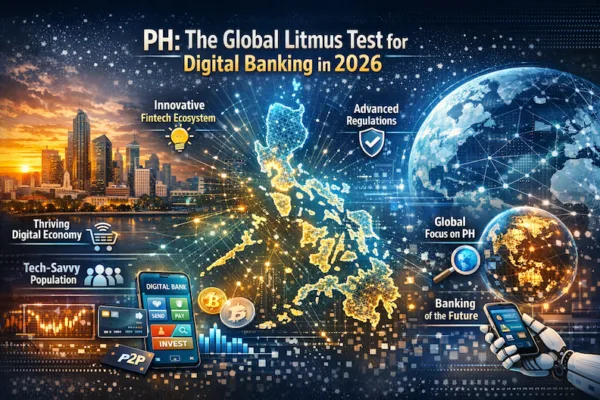
The development also reflects the growing overlap between mobility services and financial technology in the Philippines.
As ride-hailing platforms integrate e-wallets, in-app wallets, and digital payment rails, they are increasingly becoming part of the country’s broader fintech ecosystem — supporting the shift toward cashless transactions and creating new touchpoints for digital financial services within everyday mobility.
Internal research cited by inDrive also suggests that Filipino commuters remain price-sensitive, often allocating limited budgets to transportation expenses.
Continued focus on pricing fairness

Regulation remains a major factor shaping the ride-hailing industry, particularly in markets such as the Philippines.
The Land Transportation Franchising and Regulatory Board has maintained oversight of fare structures, including implementing surge pricing caps during peak periods such as the holiday season to keep fares affordable.
As a result, experts say collaboration between ride-hailing companies and regulators is likely to remain central to the industry’s development.
Some platforms are exploring measures such as lower commission rates for drivers, capped surge pricing, and loyalty programs aimed at balancing driver earnings with passenger affordability.
Taken together, these trends suggest that ride-hailing platforms could move toward a more integrated model in 2026 — combining mobility, payments, and digital services within a single app ecosystem.