
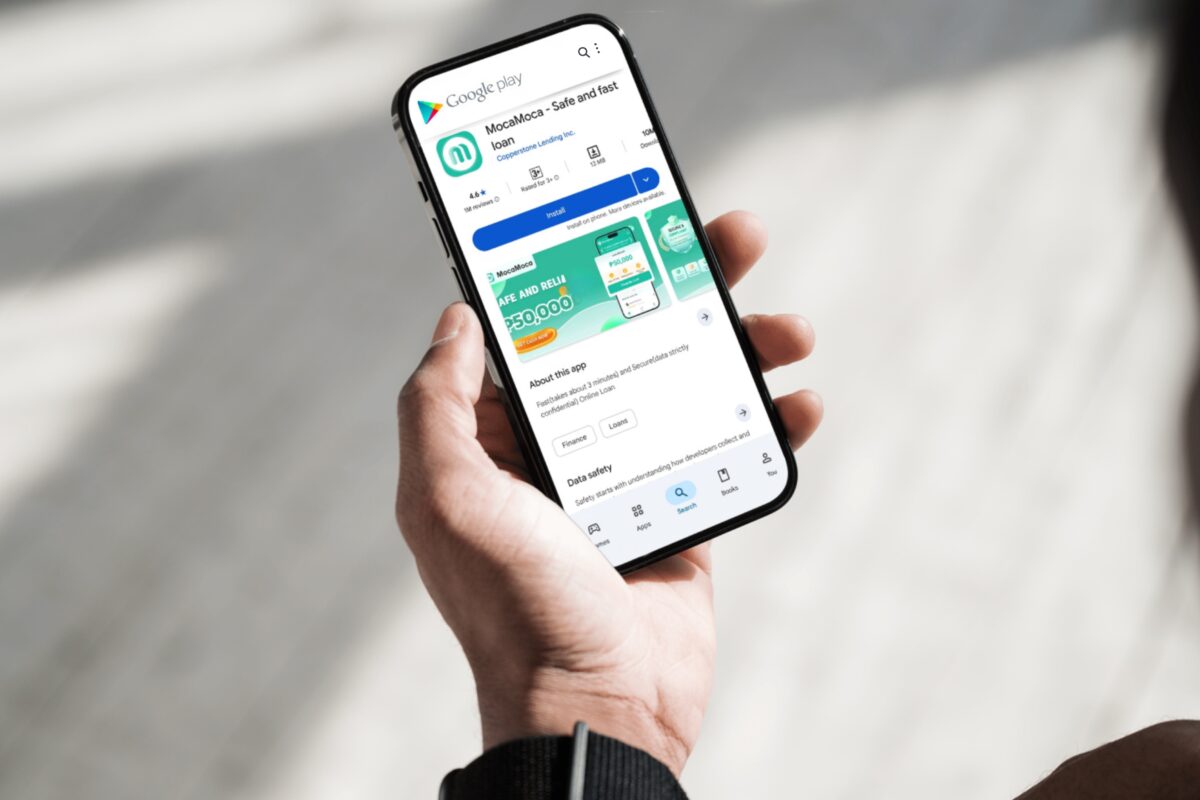
More Filipinos are turning to regulated digital lenders as access to formal credit continues to improve, with MocaMoca announcing that it has surpassed 20 million active users in the Philippines.
The milestone comes more than five years after the platform, operated by SEC-registered Copperstone Lending Inc., entered the local market. It also reflects the growing acceptance of app-based lending at a time when many Filipinos still struggle to access traditional financial services.
Formal credit still has room to grow
Despite steady gains in financial inclusion, access to formal credit remains limited for a large segment of the population.

IMAGE CREDIT: WorldBank blog
The Bangko Sentral ng Pilipinas’ (BSP) 2025 Consumer Finance and Inclusion Survey found that only 16% of adult borrowers obtained loans from formal financial institutions.
The World Bank’s 2025 Global Findex Report likewise showed that only about half of Filipino adults own a formal financial account—still below the average for East Asia and the Pacific.
Those figures suggest that while more Filipinos are entering the formal financial system, many continue to rely on alternative sources of financing or remain underserved altogether.
Demand for credit, meanwhile, shows little sign of slowing. TransUnion’s Q2 2026 Consumer Pulse Study found that nearly half of Filipinos intend to apply for new credit. Yet six in 10 abandon their applications because of high costs, strict eligibility requirements, or other obstacles.
For digital lenders, that points to an opportunity to make borrowing more accessible without compromising responsible lending standards.
More borrowers embrace digital lending
MocaMoca said it now ranks among the 10 most-downloaded digital lending apps on Google Play in the Philippines, underscoring the continued growth of mobile-first borrowing.
The company also noted that women make up more than 60% of its borrower base, highlighting the platform’s growing use among household financial decision-makers and micro-entrepreneurs, groups that have traditionally faced greater challenges in accessing formal credit.
“Many Filipinos still face barriers when accessing formal credit,” said David Balamon, chief executive officer of Copperstone Lending Inc.
“Our goal is to remove those barriers through a lending experience that is simple, transparent, and built around the needs of borrowers, while maintaining the highest standards of responsibility and consumer protection.”
Beyond fast approvals
MocaMoca offers unsecured loans of up to ₱50,000 through a fully digital application process that requires only one government-issued ID.
According to the company, applications are processed 24/7, with approved loans disbursed in as little as five minutes. Borrowers can also receive funds and make repayments through GCash, Maya, Coins.ph, and GrabPay.
The company said it has also introduced features aimed at promoting responsible borrowing, including transparent loan terms, repayment schedules aligned with payday cycles, and a structured credit progression that allows customers to qualify for higher loan limits over time.
The next challenge for digital lenders
As competition in the digital lending space intensifies, speed alone is no longer enough to stand out.
Providers are increasingly competing on customer experience, transparency, and responsible lending practices as regulators continue to encourage greater consumer protection across the sector.
For MocaMoca, reaching 20 million active users is a sign that regulated digital lending is becoming more mainstream. The bigger test for the industry now is whether wider access to credit can also lead to stronger financial health and broader financial inclusion.
“Our focus remains on helping more Filipinos access formal credit responsibly,” Balamon said.
“We’ll continue investing in responsible innovation that makes borrowing more accessible, transparent, and secure, while supporting the country’s broader financial inclusion goals.”