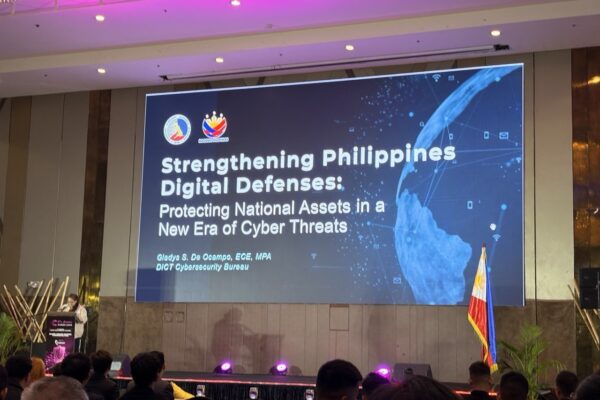


Scam calls are the new frontline in the Philippines’ fight against fraud. As Filipinos grew wiser to dodgy text messages, criminals simply changed channels — and picked up the phone.
The numbers tell the story.
SMS scams dropped 86.6% in 2025, falling to roughly 822,000 messages from more than 6.1 million the year before, according to a Whoscall report presented at the Cybercrime Investigation and Coordinating Center.
Tougher telco blocking, scam hub shutdowns, and greater public awareness all helped.
How these scam calls work
A typical call opens with urgency: your account has been compromised, a transfer is pending, or your card is about to be blocked.
The caller — often armed with your name and using a spoofed number — pushes you to “verify” your identity by sharing a one-time password (OTP) or PIN. That is the trap.
No legitimate bank or e-wallet will ever ask for your OTP, PIN, or password over the phone.
How to protect yourself
- Pressure to act “right now” before an account is frozen
- Requests for codes, passwords, or card details
- A caller who already knows some of your details, to sound official
- A number resembling your bank’s that arrives out of the blue
How to protect yourself
Hang up and call your bank using the number on the back of your card or through its official app. Never return missed calls from unknown numbers, and don’t tap links sent during a call.
The discipline that keeps your e-wallet safe applies here too — many of the habits from our guide to protecting your GCash account work just as well against voice fraud.
Scam calls thrive on panic and speed. Slow down, verify independently, and the script falls apart.
Staying one step ahead simply means treating every unexpected call about your money as suspicious until you’ve proven otherwise.
Warning signs
- Pressure to act “right now” before an account is frozen
- Requests for codes, passwords, or card details
- A caller who already knows some of your personal information to sound legitimate
- A number resembling your bank’s that appears out of the blue
But fraud didn’t vanish — it simply changed form.
Whoscall found that scam calls have become the preferred method, with fraudsters operating like telemarketing firms while impersonating banks and credit card issuers.