


BPI free bank transfers will officially take effect starting July 1, 2026, marking one of the biggest customer-friendly changes in the Philippine banking sector this year.
The Bank of the Philippine Islands (BPI) announced that all InstaPay and PESONet transfers made through its digital platforms will become permanently free, eliminating transaction fees that many Filipinos have long considered a barrier to everyday digital banking.

The initiative covers transfers made via the BPI app, BPI Online, VYBE, BanKo, and BizKo. By removing transfer fees, BPI aims to encourage wider adoption of digital financial services while making everyday money movement more convenient and affordable for millions of customers.
BPI eliminates InstaPay and PESONet transfer fees
Beginning July 1, customers using eligible BPI digital platforms will no longer pay the previous ₱10 InstaPay fee or the ₱50 PESONet charge.
The BPI free bank transfers initiative applies to interbank fund transfers and transfers to participating e-wallets, providing greater flexibility for users who regularly send money digitally.

According to BPI President and CEO Jose Teodoro Limcaoco, eliminating transfer fees is expected to increase the frequency of digital transactions by removing per-transfer costs from customers’ daily financial decisions. Instead of worrying about additional charges, users can transfer funds whenever needed without extra expense.
Customers only need to update their applications to the latest versions to enjoy the new benefit. BPI estimates that approximately 9.5 million app users will immediately gain access to the permanent zero-transfer-fee feature.
Supporting financial inclusion through digital payments
The launch of BPI free bank transfers reflects the bank’s broader commitment to financial inclusion.
Lower transaction costs reduce friction in digital banking, allowing more Filipinos to embrace cashless payments for personal transfers, bill payments, and business transactions.
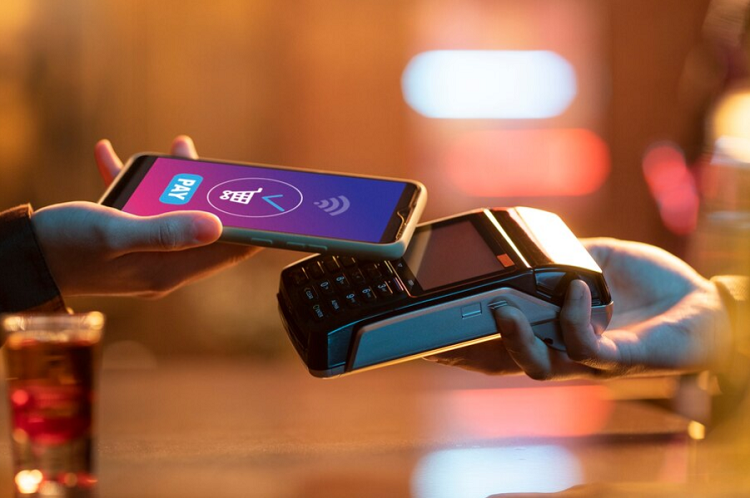
The move also benefits small businesses, freelancers, and entrepreneurs who regularly transfer funds between different banks and e-wallets. Removing recurring transfer fees can translate into meaningful savings over time, especially for users making multiple transactions each week.
While transfers will now be free, existing transaction limits remain unchanged. InstaPay continues to support real-time transfers of up to ₱50,000 per transaction, while PESONet accommodates transfers of up to ₱250,000 with settlement depending on processing schedules.
BPI’s decision aligns with evolving digital payment policies
The rollout of BPI free bank transfers comes shortly after the Bangko Sentral ng Pilipinas (BSP) introduced updated guidelines on digital transaction fees through BSP Circular No. 1238. The circular emphasizes that fees charged for electronic payments should reflect the actual cost of processing transactions rather than arbitrary pricing.
The updated regulatory direction encourages digital payment providers to maintain fees that are generally lower than traditional over-the-counter banking services, recognizing the operational efficiencies offered by digital channels.
Although the BSP recently lifted the moratorium on adjustments to InstaPay and PESONet fees, BPI instead chose to permanently remove transfer charges altogether. This decision positions the bank among the country’s most competitive digital banking providers while reinforcing customer trust and encouraging greater adoption of cashless financial services.
A new standard for digital banking
The introduction of BPI free bank transfers represents more than a promotional offer—it signals a long-term commitment to making digital banking simpler, more affordable, and more inclusive for Filipino consumers. As digital payments continue to become an essential part of daily life, initiatives that reduce transaction costs can help accelerate financial inclusion across the country.
With permanent zero-fee transfers now available across its digital ecosystem, BPI raises the bar for customer experience and may encourage other financial institutions to enhance their own digital banking offerings in response to evolving consumer expectations.