
At this year’s HP Elevate event, the spotlight wasn’t just on incremental upgrades — it was on a clear shift toward AI-native hardware designed to power more intelligent, connected, and secure digital workflows across industries.
From ultra-light AI PCs and modular computing concepts to next-generation printing systems, HP’s latest lineup signals how deeply hardware is being re-engineered for an era defined by automation, mobility, and data-driven decision-making.
AI-first computing takes center stage
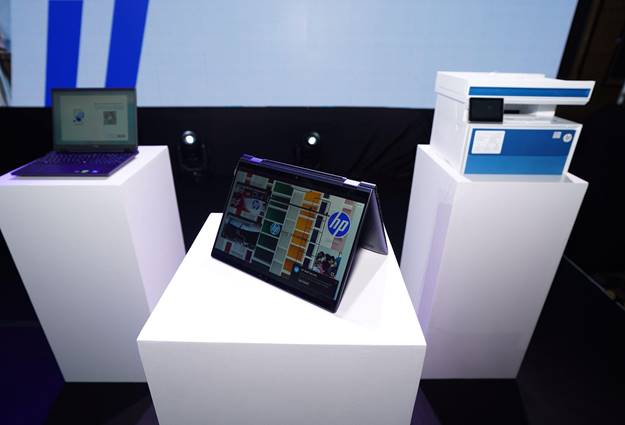
Leading the announcements was the new HP EliteBook X G2i, a business laptop built for AI-powered productivity from the ground up. Weighing under 1 kilogram, the device is designed for professionals who now work across hybrid and cloud-based environments where performance and portability matter equally.
Beyond its lightweight design, the EliteBook integrates local AI capabilities, enhanced security architecture, and adaptive performance features aimed at streamlining everyday workflows. HP is positioning it not just as a work device, but as an intelligent endpoint for the modern enterprise.
A key highlight is its focus on usability and mobility — featuring 5G connectivity, improved input systems, and serviceability improvements that extend device lifecycle in enterprise environments.
A radical rethink of personal computing form factors
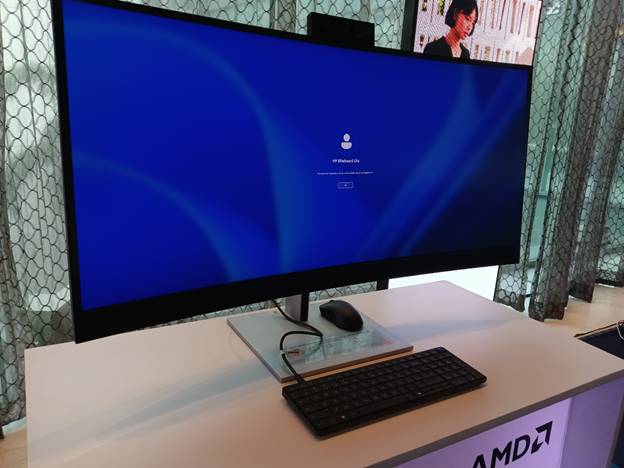
One of the more unconventional innovations unveiled was the EliteBoard G1a, a full PC built directly into a keyboard form factor.
This compact design removes traditional chassis constraints, enabling a highly portable computing setup without sacrificing processing power. Inside, it runs on AMD’s Ryzen PRO AI platform with dedicated AI compute capabilities, underscoring HP’s push toward edge-based intelligence rather than cloud-dependent workflows.
The concept reflects a broader industry direction: computing is becoming less about fixed devices and more about flexible, always-available access points.
Consumer devices built for AI workloads
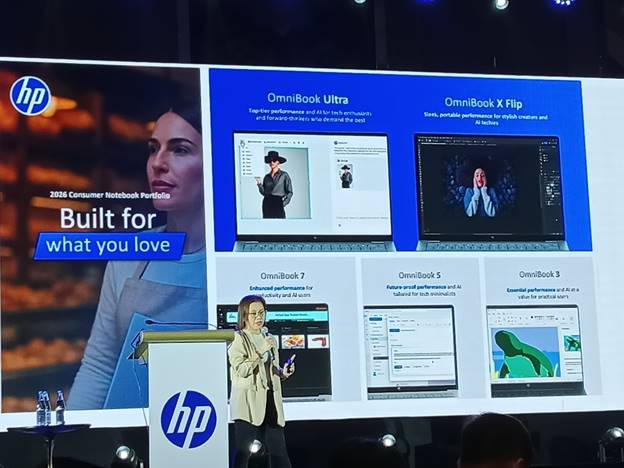
On the consumer side, HP introduced its refreshed Omnibook lineup, spanning entry-level to premium models designed for productivity, content creation, and lightweight AI tasks.
Powered by the latest Intel Core Ultra and AMD Ryzen AI processors, the company’s newest lineup are optimized for on-device AI features such as task automation, content assistance, and system optimization. Improvements in battery efficiency and portability further reinforce HP’s positioning of laptops as always-on productivity tools rather than occasional-use machines.
Battery life figures for the new generation of Omnibooks contain up to 70wh of battery, which can last for up to 22.75 hours. They also include a 65W USB Type-C Mini Wall Charger, which has been miniaturized so it could fit into one’s pocket.
Much like its business-grade counterpart, the top-tier line of Omnibooks include either a clamshell (Omnibook Ultra) or a flip form factor (Omnibook X Flip 14). They are also built for endurance, as these passed the MIL-STD 810H certification.
Gaming meets AI intelligence
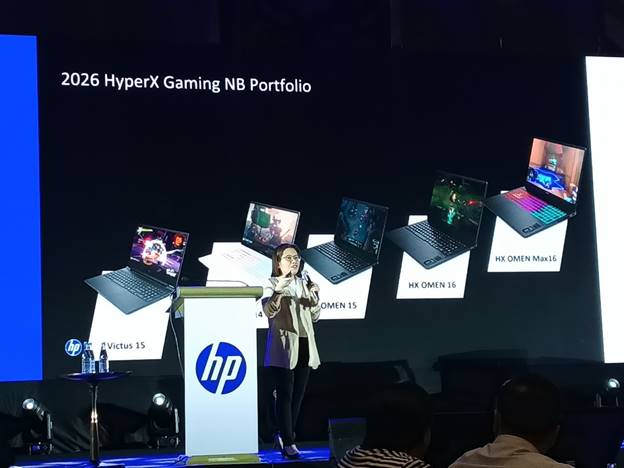
HP’s gaming arm HyperX also saw major updates with the introduction of a new OMEN laptop model that integrates AI-driven performance tuning.
Beyond raw specs, the device introduces adaptive optimization through OMEN AI, which dynamically adjusts system performance based on workload and usage patterns. This signals a growing shift in gaming hardware — from manual tuning to intelligent, self-optimizing systems.
Smarter, more secure printing infrastructure
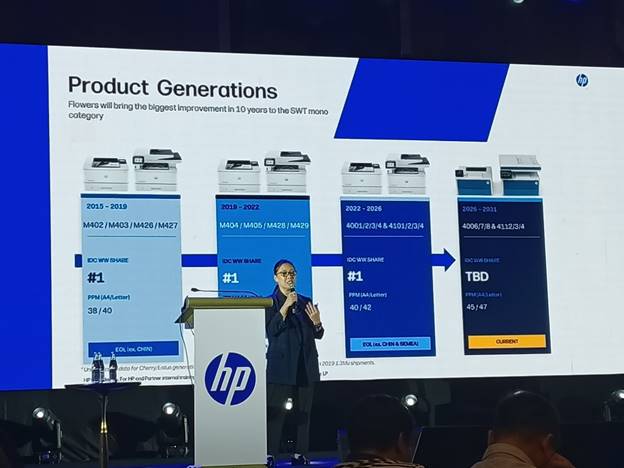
HP also used the event to showcase its next-generation LaserJet Pro and Enterprise printers, now enhanced with faster performance, smaller footprints, and AI-driven capabilities.
More notably, HP is integrating advanced security frameworks into its printing ecosystem, including protection against emerging quantum-era threats.
Combined with HP Wolf Security, the company is pushing printers beyond basic output devices into secure, intelligent endpoints within enterprise networks.
Building secure infrastructure for digital finance
While the announcements span multiple product categories, the underlying direction is consistent—HP is building infrastructure for a world where AI, security, and always-connected devices form the backbone of digital operations.
For fintech, this has direct implications.
Financial services increasingly rely on distributed teams, real-time data processing, secure endpoints, and mobile-first operations. Devices like HP’s AI-enabled EliteBooks and Omnibooks effectively become critical access points for digital banking, payment systems, risk analysis tools, and cloud-based financial platforms.
At the infrastructure level, even printers and peripheral systems are evolving into secure nodes within enterprise networks — important for regulated industries like banking and fintech where data integrity and security compliance are non-negotiable.
In many ways, HP’s latest direction reflects what fintech already demands: faster systems, stronger security, intelligent automation, and seamless connectivity across devices.