

Building an emergency fund on a ₱20,000 salary has become a growing concern for many Filipinos facing rising living costs, inflation, and financial uncertainty.
From transportation fare hikes to increasing grocery prices, many workers feel there is barely enough left for savings after covering monthly expenses.
Still, financial experts continue to stress that emergency savings are necessary regardless of income level. The Bangko Sentral ng Pilipinas (BSP) has emphasized that financial resilience helps Filipinos manage unexpected risks such as job loss, medical emergencies, disasters, and income disruptions.
According to the BSP’s 2021 Financial Inclusion Survey, 81% of Filipinos save specifically for emergencies, showing that emergency preparedness remains a financial priority for many households despite economic challenges.
As finance speaker Bo Sanchez once said, “Saving is not about how much you earn. It is about how much you keep.” An emergency fund acts as a financial safety net, preventing people from relying heavily on debt, loans, or credit during difficult situations.
Start with smaller and achievable savings goals
One of the biggest misconceptions about saving is the belief that people need to set aside large amounts immediately. Financial experts instead recommend starting with realistic and manageable milestones before targeting larger emergency funds.
For employees earning ₱20,000 monthly, even saving ₱50 to ₱100 daily can gradually build a meaningful financial buffer. Many financial planners recommend first building an emergency fund worth ₱5,000 to ₱10,000 before aiming for three to six months’ worth of expenses.
Research from the Philippine Institute for Development Studies (PIDS) found that financial literacy and budgeting behavior strongly influence the likelihood of Filipinos developing consistent saving habits. The study also noted that individuals with stronger financial understanding are more likely to save regularly and use formal financial services effectively.
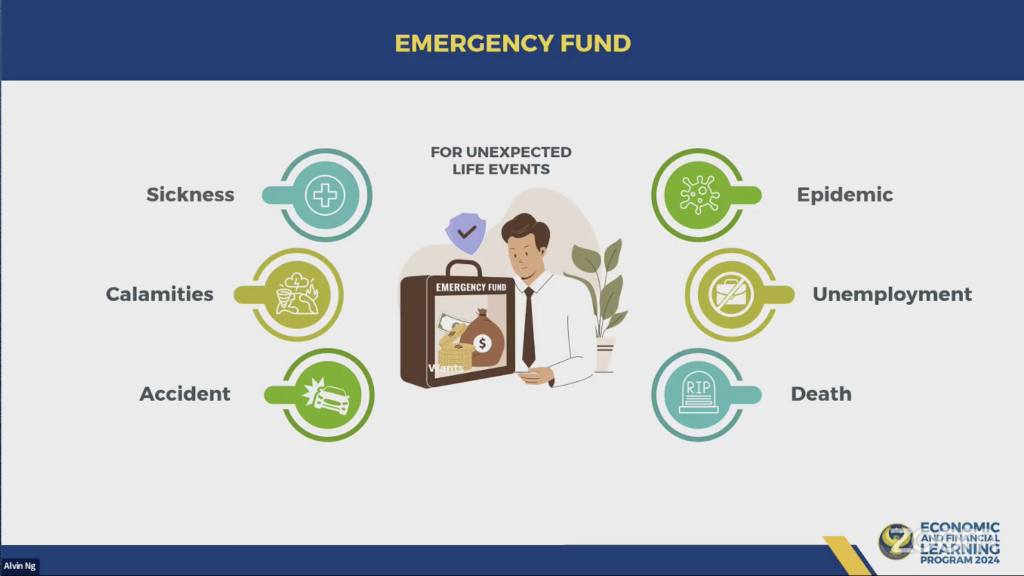
(IMAGE CREDIT: PIA)
A practical budget allocation for a ₱20,000 salary could include:
- ₱10,000–₱12,000 for necessities
- ₱2,000–₱3,000 for savings
- The remaining amount for transportation, utilities, and personal expenses
Financial literacy communities in the Philippines also commonly recommend the “pay yourself first” strategy, where savings are transferred immediately after receiving a salary instead of waiting for leftover money at the end of the month.
Reduce recurring expenses that quietly drain income
Building an emergency fund does not always require extreme sacrifice.
In many cases, reducing repetitive and unnecessary spending can already create room for savings.

Daily food deliveries, online shopping, subscription services, convenience purchases, and impulsive spending often consume a significant portion of income without people realizing it. Several Filipino financial literacy discussions online also highlight how “lifestyle creep” quietly delays financial goals, even among relatively decent earners.
A BSP-backed financial resilience framework further emphasized that saving behavior remains one of the strongest predictors of financial resilience among Filipino households.
Simple financial adjustments can already make a noticeable difference:
- Cook meals at home more often
- Delay non-essential purchases for several days
- Set weekly cash limits for wants
- Separate savings from spending accounts
- Reduce impulse online shopping purchases
Recent BSP survey data also showed that while more Filipinos now use digital financial accounts and e-wallets, financial confidence remains low as many households still struggle with liquidity and emergency preparedness.
This highlights why emergency savings remain important even for workers with stable income.
Increase income while protecting emergency savings
While budgeting helps control expenses, increasing income can significantly accelerate emergency fund growth. Many Filipinos are now exploring side hustles, freelance work, online selling, tutoring, and other digital income opportunities to supplement their salaries.

Even an additional ₱2,000 to ₱5,000 monthly can help strengthen emergency savings faster. However, financial experts warn against treating emergency funds as extra spending money for gadgets, vacations, or impulsive purchases.
Studies from the World Bank emphasized the importance of financial resilience in helping Filipino families withstand economic shocks and unexpected crises. The organization noted that stronger financial systems and broader financial inclusion improve households’ ability to recover from emergencies.
Online Filipino finance communities also frequently discuss how medical emergencies, family responsibilities, and breadwinner obligations can quickly wipe out savings if households are financially unprepared.
Consistency matters more than speed. Even small weekly savings contributions can eventually build long-term financial security and reduce dependence on debt during emergencies.
Building financial security, one step at a time
Building an emergency fund on a ₱20,000 salary may seem difficult at first, but it becomes more achievable through realistic budgeting, disciplined spending habits, and consistent saving behavior.
In today’s uncertain economy, having emergency savings can provide peace of mind and financial stability during unexpected situations. Over time, even small contributions can grow into a reliable financial safety net that helps Filipinos become more financially resilient and better prepared for the future.