
Marami kang utang. Hindi mo alam kung alin ang uunahin. (“You’re drowning in debt and you don’t know which one to prioritize.”) Sound familiar?
For many Filipinos, this isn’t just a feeling — it’s a reality shaped by rising household expenses.
From higher grocery bills to fluctuating gasoline prices and utility costs, everyday living has become more expensive in recent years. As budgets tighten, even small emergencies can push families toward borrowing.
At the same time, access to credit has never been easier than it is today.
The rapid growth of fintech lending platforms and digital banks in the Philippines has made it simple to take out small loans within minutes. Credit cards, loan apps, and “buy now, pay later” services have become part of daily financial life for many consumers — especially in urban areas.
The result? Multiple small debts piling up across different platforms, making repayment more complicated than ever.
Yet despite this growing debt complexity, financial literacy levels remain uneven. Many Filipinos still learn money management informally—through family advice or personal trial and error—rather than structured financial education. This gap often makes debt management more reactive than planned.
Against this backdrop, one strategy has gained quiet popularity among financial experts: the debt snowball method. It is simple, structured, and surprisingly effective for people managing multiple obligations at once.
What is the debt snowball method?
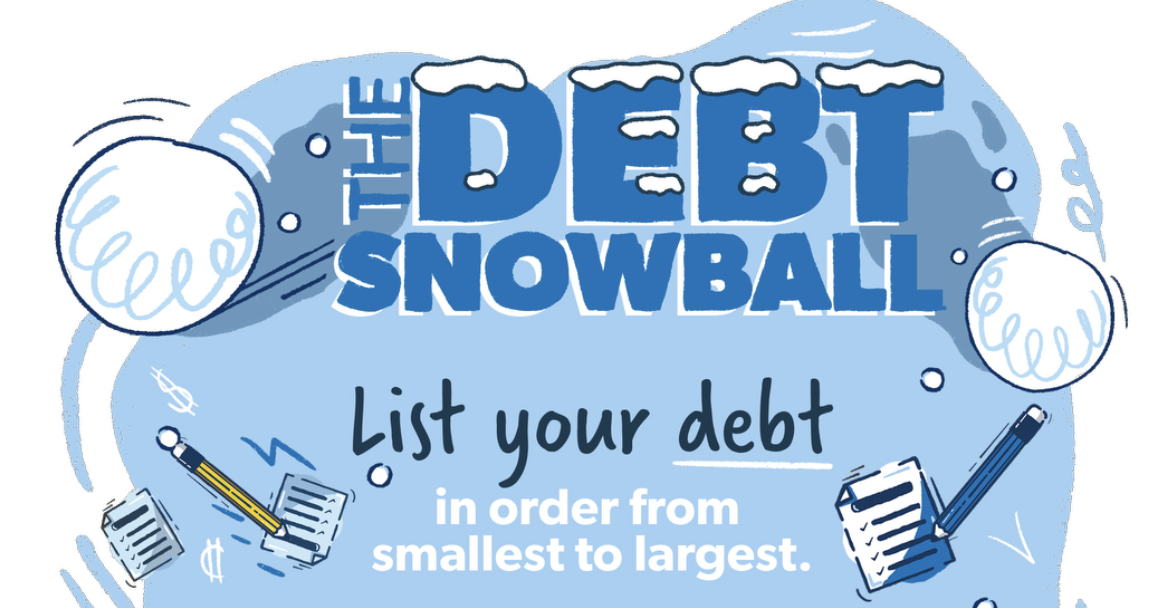
IMAGE CREDIT: Ramsey Solutions
Popularized by American personal finance author Dave Ramsey, the debt snowball method is a repayment strategy that prioritizes paying off the smallest debts first, regardless of interest rates, to build repayment momentum.
Here’s how it works:
- List all your debts from smallest to largest balance
- Continue making minimum payments on all debts
- Put every extra peso toward the smallest debt
- Once that debt is fully paid, redirect that payment to the next-smallest debt
- Repeat until all debts are cleared
Think of it like rolling a snowball downhill. It starts small, but as it builds momentum, it grows faster and stronger.
A simple example
Let’s say you currently owe:
- ₱2,000 to a friend
- ₱8,000 on a loan app
- ₱25,000 on a credit card
Using the debt snowball method, you focus all extra payments on the ₱2,000 debt first while maintaining minimum payments on the rest.
Once it’s cleared, you roll that payment into the ₱8,000 loan. After that, you move to the credit card.
One by one, debts disappear — and more importantly, your repayment capacity grows with every win.
Why it works even when the math says otherwise
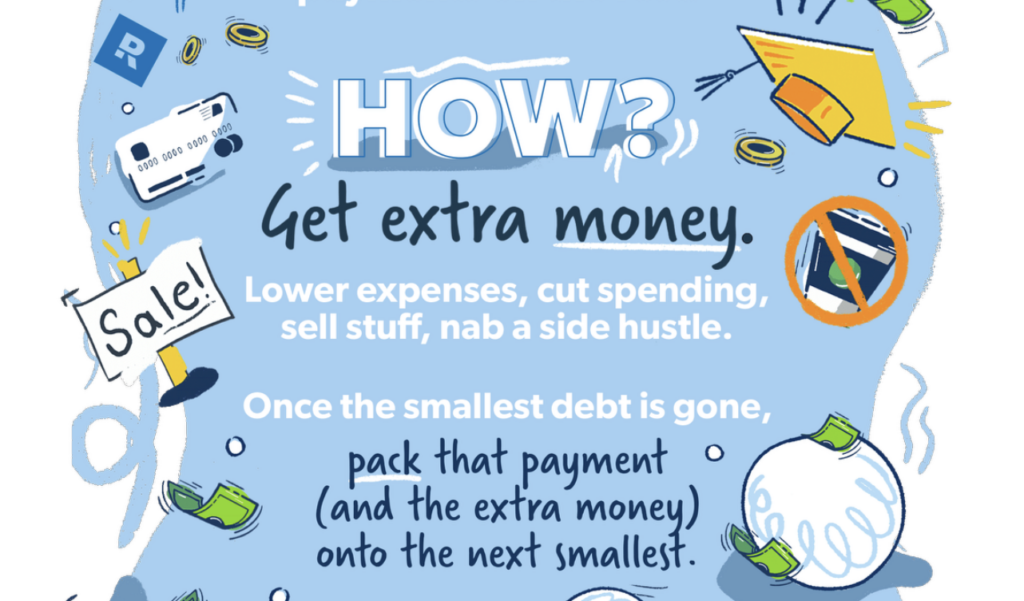
IMAGE CREDIT: Ramsey Solutions
Some financial experts argue that paying off high-interest debt first saves more money over time. This is known as the debt avalanche method.
But the debt snowball method is not purely about numbers — it’s about behavior.
Behavioral finance research shows that small wins reinforce motivation and improve long-term financial discipline. Paying off even a small debt creates a psychological sense of progress that helps sustain repayment momentum.
For many Filipinos juggling multiple obligations—from loan apps to credit cards—the biggest challenge is not just income. It’s consistency.
The debt snowball method helps solve that behavioral gap by creating visible progress early in the process.
Can you really become debt-free in five months?
Possibly.
Let’s say your smallest debt is ₱5,000 and you can consistently set aside an extra ₱1,000 per month on top of minimum payments.
At that rate, you could eliminate that debt in about five months.
However, the actual timeline depends on income stability, spending habits, and whether new debt is avoided during repayment.
Two key rules matter:
- Avoid taking on new debt while repaying existing balances
- Redirect any extra income—overtime, side hustles, remittances, or bonuses—toward debt repayment
One practical trick to stay on track
Try creating a dedicated savings bucket for debt repayment.
Whenever extra money comes in—refunds, bonuses, birthday cash, or allowances—move it there immediately before it gets spent.
If you use GCash or Maya, set up a goal labeled something like “Debt Killer.”
Small, consistent actions matter more than large, occasional payments.
The bottom line
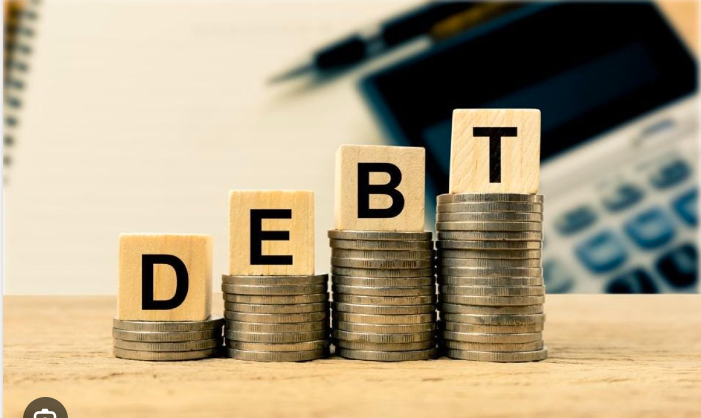
IMAGE CREDIT: Freepik
The debt snowball method is not a magic solution, and it won’t erase debt overnight.
What it does offer is something many people need when dealing with financial stress: a clear starting point and a series of achievable wins.
If you’re juggling multiple debts and don’t know where to begin, start with the smallest one. Clear it. Then move to the next.
Start small. Win fast. Then go bigger.
Sources:
- Dave Ramsey’s snowball method framework (ramseysolutions.com);
- BPI AIA budgeting guide (bpi-aia.com.ph);
- Debt Avalanche: Accelerated repayment strategy explained (https://www.investopedia.com/terms/d/debt-avalanche.asp)