

In mobile-first markets like the Philippines, telecom operators (telcos) face an increasingly urgent challenge: staying relevant in users’ everyday digital lives.
For years, telco apps served a straightforward purpose, allowing subscribers to top up prepaid credits, check balances, monitor data usage, and pay bills. That model served the industry well in the past era, helping drive a sector that continues to post strong global growth. Worldwide, mobile operator revenues are projected to climb from US$1.08 trillion in 2024 to US$1.25 trillion by 2030 while mobile technologies and services now contribute nearly US$11 trillion to global GDP, with productivity gains accounting for roughly 90% of that impact.
But scale alone no longer guarantees relevance.
As Southeast Asia’s digital economy matures, transactional utility has become table stakes rather than a differentiator.
Today, Filipino consumers spend between four and five hours a day on their smartphones, yet much of that attention flows to superapps and digital platforms that have embedded themselves into daily routines through payments, entertainment, rewards, commerce, and social engagement.
That shift has left many telco apps struggling to move beyond utility.
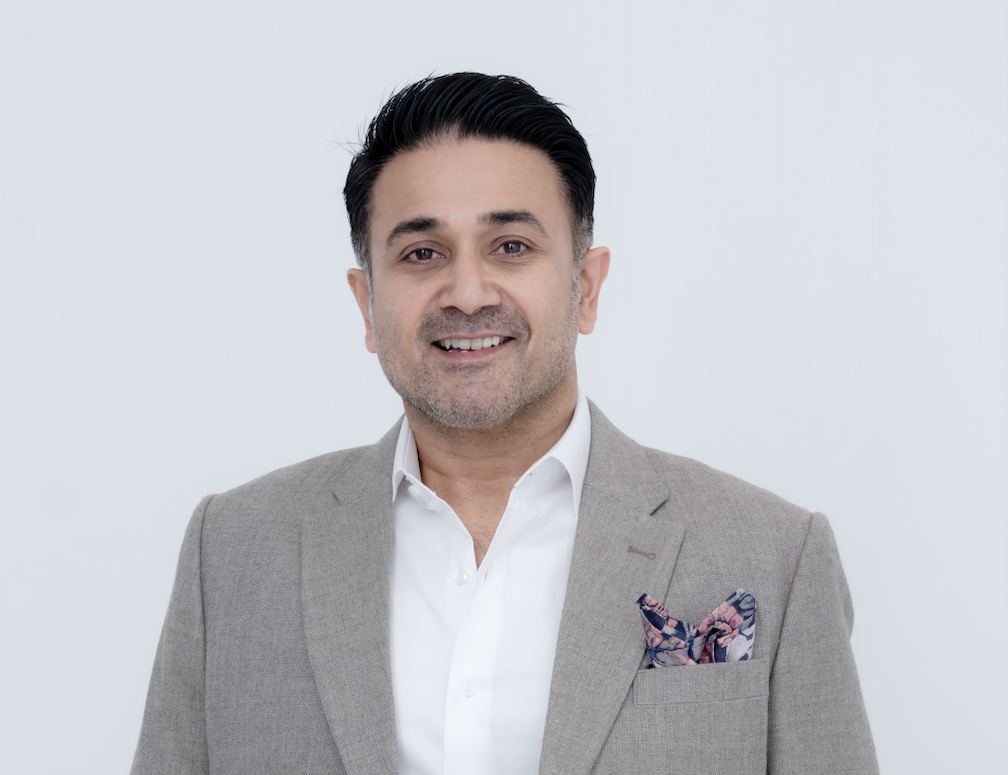
Manit Parikh, founder and CEO of The Binary Holdings
For Manit Parikh, founder and CEO of The Binary Holdings, the issue is not a lack of user attention but how operators are using it.
In an exclusive interview with FintechNewsPH, Parikh said telecom operators in mobile-first markets such as the Philippines are grappling with a growing challenge: maintaining relevance as users increasingly gravitate toward integrated digital ecosystems.
“The problem is not attention,” Parikh shared. “It is the lack of infrastructure to convert sustained attention into measurable economic outcomes inside existing operator ecosystems.”
His company is betting telcos can reclaim that engagement layer — not by competing directly with superapps, but by making their own apps more interactive, rewarding, and habit-forming.
How telcos lost the daily engagement battle
The shift did not happen overnight.
It accelerated as regional platforms such as Grab expanded beyond their original use cases into payments, food delivery, groceries, rewards, and financial services, giving users multiple reasons to return throughout the day.
Telco apps, meanwhile, remained largely focused on account management.
Data from digital usage studies, including country-level tracking of the Philippines, shows how consumers steadily built routines around platforms offering continuous value rather than one-off transactions.
“User routines migrated to platforms that offered continuous value,” Parikh said.
The trend is particularly pronounced in the Philippines, where smartphone penetration is high and prepaid subscriptions dominate the mobile market.
Parikh said many operators underestimated how quickly consumer expectations would evolve from purely transactional tools to experience-driven digital ecosystems.
“Users are not necessarily looking for telco apps to become full superapps,” he said. “The opportunity is to build on repeat behaviour that already exists by introducing services that feel relevant within the app.”
Even modest gains in engagement, he added, can create significant commercial impact when scaled across millions of subscribers.
Turning utility apps into daily destinations
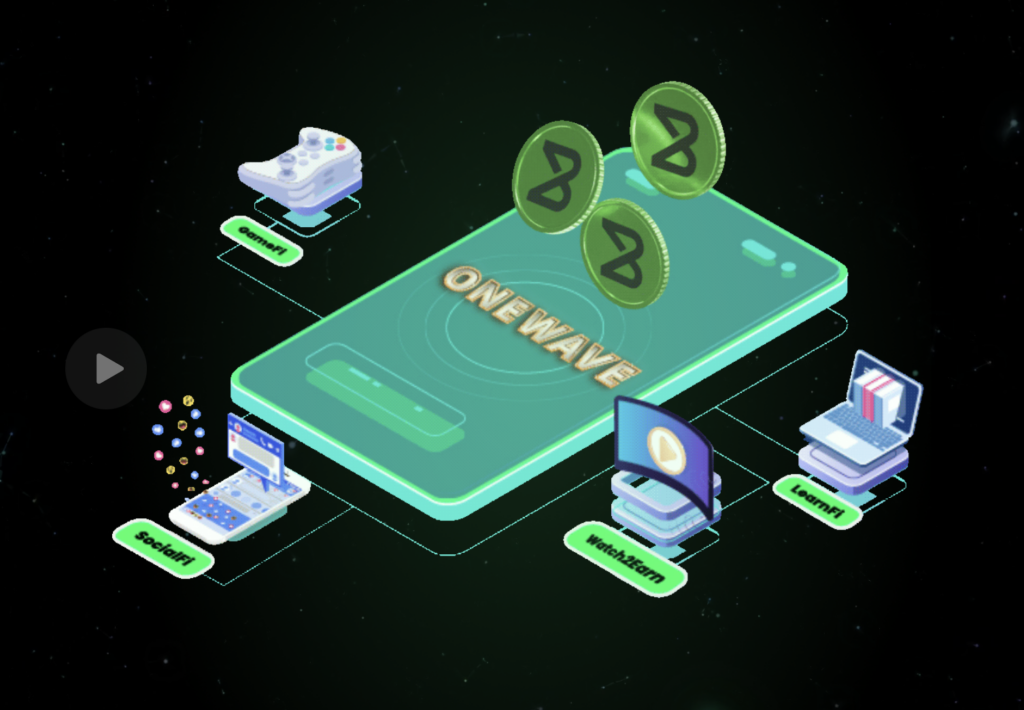
IMAGE CREDIT: The Binary Holdings
The Binary Holdings’ response is OneWave, a no-code, white-label engagement platform designed to integrate directly into existing telco apps.
Rather than requiring operators to rebuild their digital ecosystems from scratch, the platform adds modular features that can be tailored around rewards, content, commerce, entertainment, fan engagement, or wellness.
The objective is simple: create reasons for users to return every day.
Through lightweight in-app activities such as watching short-form content, playing casual games, browsing marketplace offers, or completing quick surveys, users earn points redeemable for practical rewards, including airtime, data, grocery vouchers, and household essentials.
The model is built with prepaid users in mind.
“No extra spend is required,” Parikh said. “The value is unlocked through engagement users were already doing.”
For many mobile subscribers in emerging markets, that approach could offer a practical form of digital inclusion by enabling users to derive greater economic value from their existing mobile behaviour without increasing costs.
Using AI to personalize engagement
At the core of the platform is an AI optimisation engine that analyses behavioural signals such as return frequency, session depth, content consumption, and redemption velocity.
Parikh said the system draws insights from datasets spanning telecommunications, gaming, and financial services across seven markets, covering more than 350 million monthly active users.
Those signals help personalise experiences in real time.
For instance, voucher offers within the platform’s marketplace can be surfaced based on individual user behaviour, increasing the likelihood of conversion while keeping rewards aligned with actual preferences.
The same infrastructure can also provide telco partners and advertisers with live optimisation recommendations for campaigns.
“It is about moving beyond static targeting,” Parikh said.
What operators stand to gain
For telecom operators, the potential benefits extend well beyond app engagement.
Parikh said pilot programmes across multiple markets have delivered average revenue per user (ARPU) uplifts ranging from 11% to 25%, alongside increases in daily sessions and engagement among prepaid subscribers.
The broader opportunity, he said, lies in revenue diversification.
Instead of relying primarily on top-ups, data purchases, and bill payments, operators can generate more consistent monetisation through habitual app engagement.
That matters as traditional telecom revenues remain constrained even as mobile connectivity continues to underpin economic growth.
The next chapter for telcos
Parikh does not believe telcos need to reinvent themselves as superapps.
Their core role, he said, remains providing affordable and reliable connectivity — infrastructure critical to national economic development.
What needs to evolve is how operators extend that role within increasingly digital-first consumer ecosystems.
“Telcos should stay focused on what they do best,” he said. “What they should rethink is the distinct advantages they can unlock by partnering with specialist engagement infrastructure providers.”
In markets like the Philippines, where mobile devices are central to daily life and digital inclusion remains a national priority, that shift could determine whether telcos remain essential touchpoints or fade further into the background of users’ digital routines.
The battle for relevance is no longer about connectivity alone. It is about engagement.