
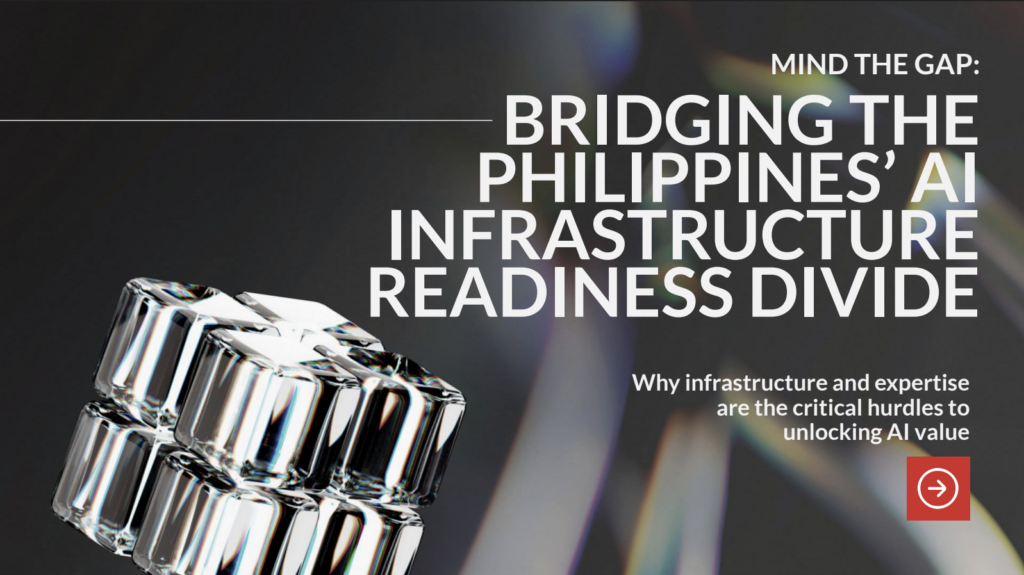
ST Telemedia Global Data Centres is putting a spotlight on the Philippines’ rapidly accelerating AI ambitions, alongside the critical infrastructure gaps that could slow its momentum.
In its latest report, the company reveals a market eager to adopt AI, yet still grappling with the realities of scaling it effectively.
According to ST Telemedia Global Data Centres Report, the country is firmly in the experimentation phase, but moving beyond early deployments remains a challenge. As organizations push forward, limitations in infrastructure, talent, and connectivity are beginning to define the next stage of growth.
Strong AI momentum meets a scaling ceiling
The Philippines is showing clear enthusiasm for artificial intelligence, with 79% of organizations already in the “Builder” stage (actively deploying early AI solutions). However, progress beyond this phase is limited, with only 2% reaching the “Integrator” stage and none achieving “Leader” status.
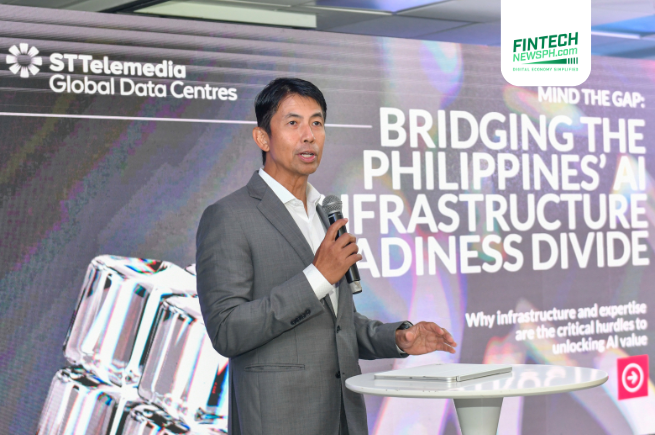
This sharp drop-off signals a deeper issue: scaling AI is proving far more complex than adopting it. As Carlo Malana, President and CEO of STT GDC Philippines, explains, “AI adoption in the Philippines is no longer the challenge — scaling it is.”
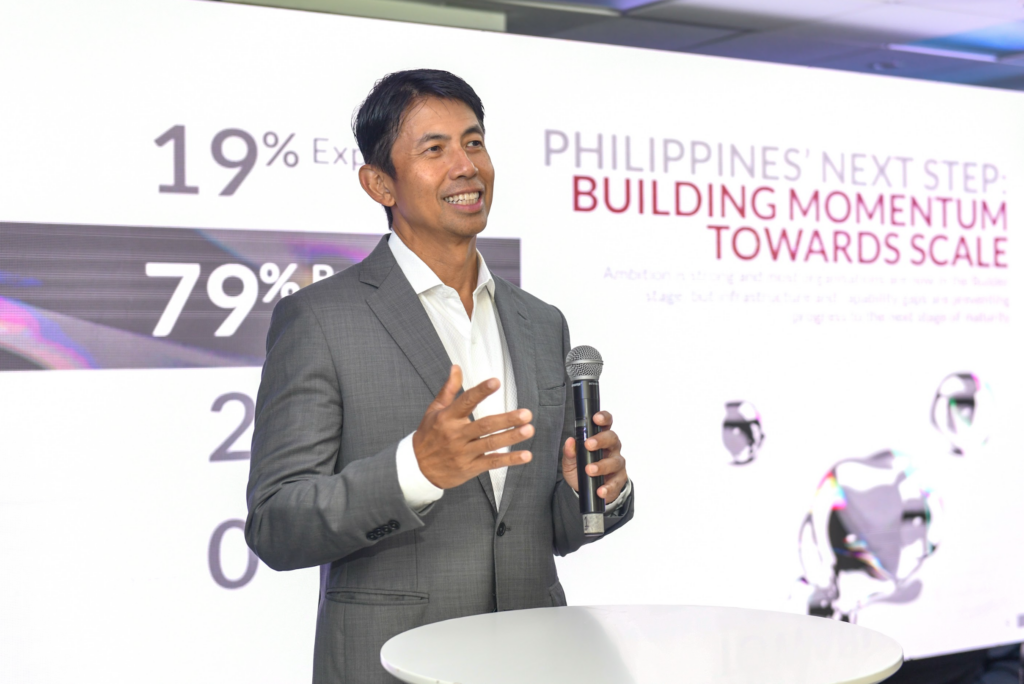
He adds: “What we’re seeing is an infrastructure ceiling, where ambition is outpacing the systems needed to support it.” This mismatch between intent and capability highlights the urgent need for foundational improvements if organizations are to unlock AI’s full value.
Infrastructure and talent gaps slow progress
A significant 71% of organizations cite insufficient compute capacity, storage, or network bandwidth as their biggest barrier. Even for those already running AI workloads, performance issues such as latency and bottlenecks are limiting their ability to scale more advanced use cases.
At the same time, talent shortages are compounding the problem. More than three-quarters of companies report critical gaps in AI expertise, while over half lack the in-house capability to manage complex AI environments.
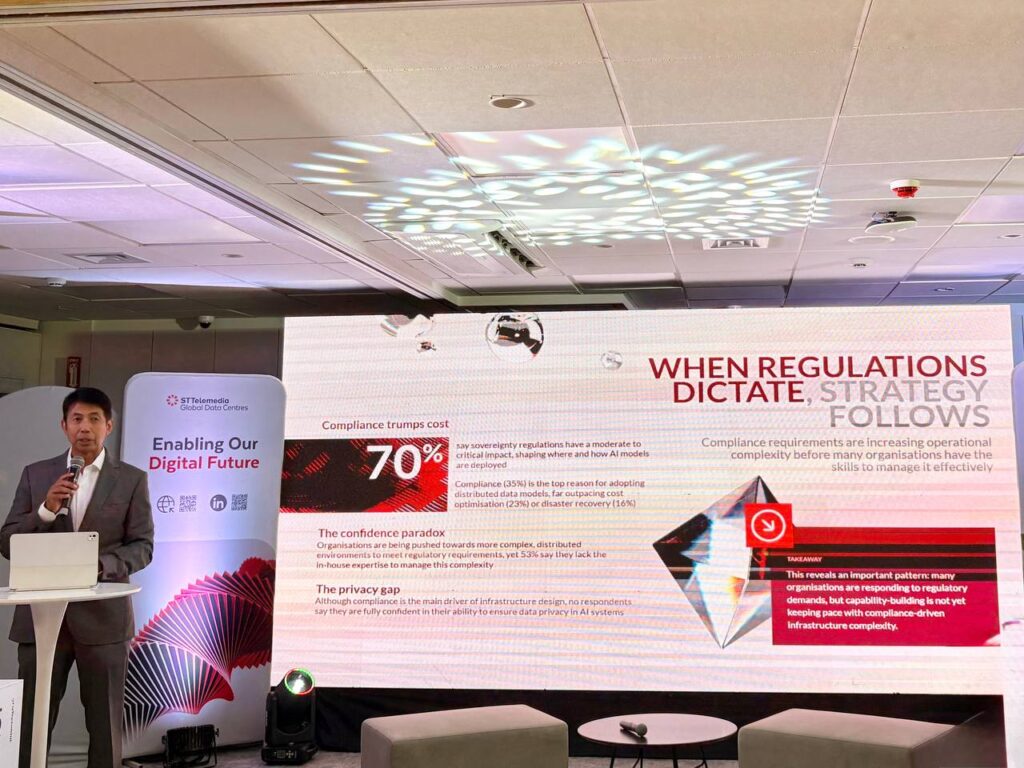
Malana emphasizes this dual challenge: “Readiness is not just about having the infrastructure in place, but also having the people and support needed to use it well.”
This underscores a broader reality — AI transformation is not purely a technology upgrade, but an organizational shift requiring both systems and skills to evolve together.
Connectivity and sustainability shaping future readiness
Beyond compute and talent, connectivity is emerging as a key enabler—or bottleneck—for AI success. Reliable, high-speed, and low-latency networks are essential for scaling AI applications, particularly as workloads become more data-intensive.
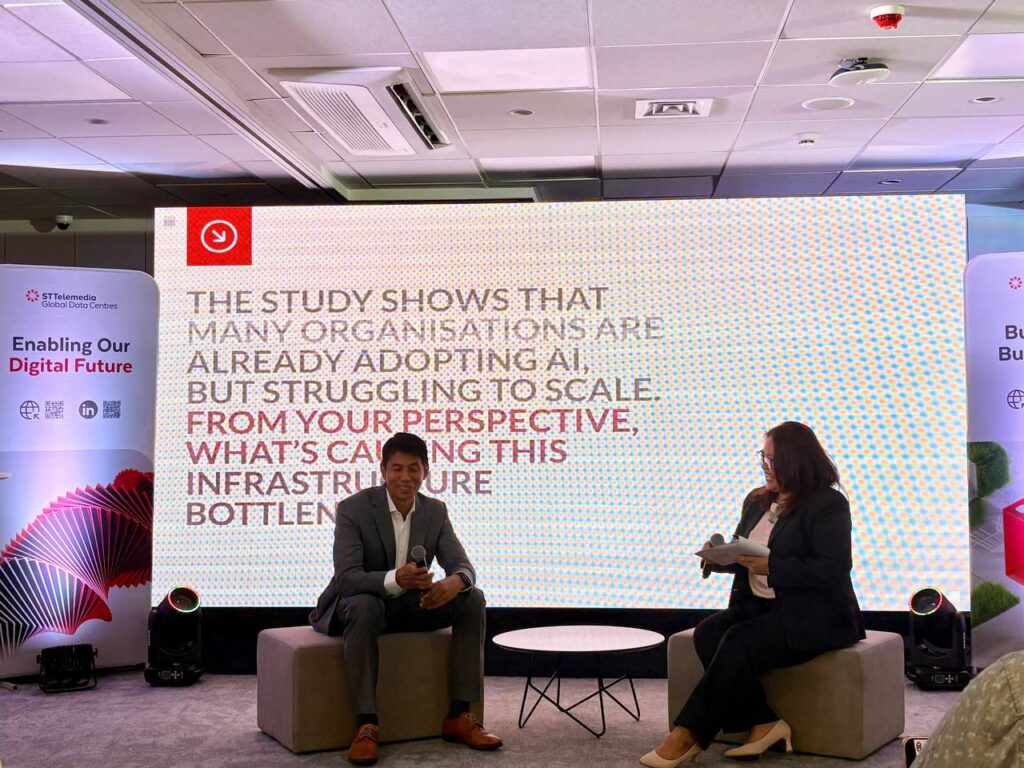
IMAGE CREDIT: ST Telemedia Global Data Centres
“In a market like the Philippines, connectivity is both a technical and strategic requirement,” Malana notes. “AI depends on speed, reliability, and low latency to perform at scale.”
Meanwhile, sustainability remains an overlooked factor. Despite the growing energy demands of AI, only a small percentage of organizations consider sustainability in their infrastructure decisions.
Malana warns that this could lead to long-term inefficiencies, adding, “As workloads become more energy-intensive, efficiency becomes critical to both cost and long-term viability.”
With nearly half of organizations expecting AI workloads to grow by over 50% in the next few years, the gap between ambition and readiness is set to widen unless these foundational issues are addressed.
Bridging the gap between ambition and execution
The latest findings from ST Telemedia Global Data Centres paint a clear picture: the Philippines is ready for AI but is not yet fully equipped to scale it. Bridging the gap will require coordinated investments in infrastructure, talent, and connectivity, alongside a stronger focus on sustainable growth.
As organizations move forward, the challenge is no longer whether to adopt AI, but how to build the systems and capabilities needed to make it work at scale.