
Canva is positioning itself beyond design with the launch of Canva AI 2.0, marking a major shift toward becoming an all-in-one workspace powered by artificial intelligence.
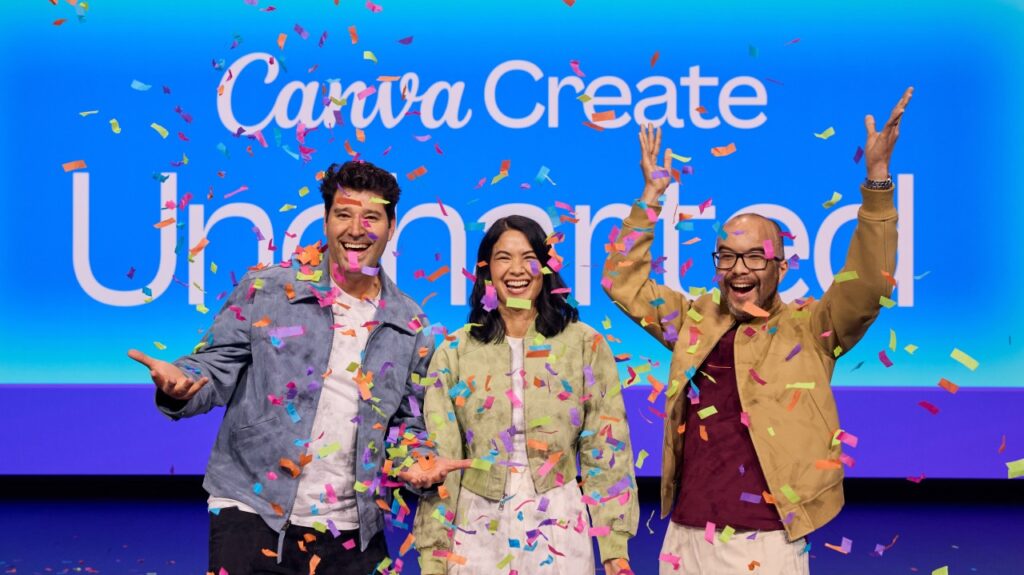
Unveiled at the company’s Canva Create event in Los Angeles, the update introduces a new architecture that transforms the platform into what it describes as a conversational, agentic platform where users can move from idea to execution in a single environment.
Long known for simplifying graphic design, the design platform is now expanding its role into everyday work processes.
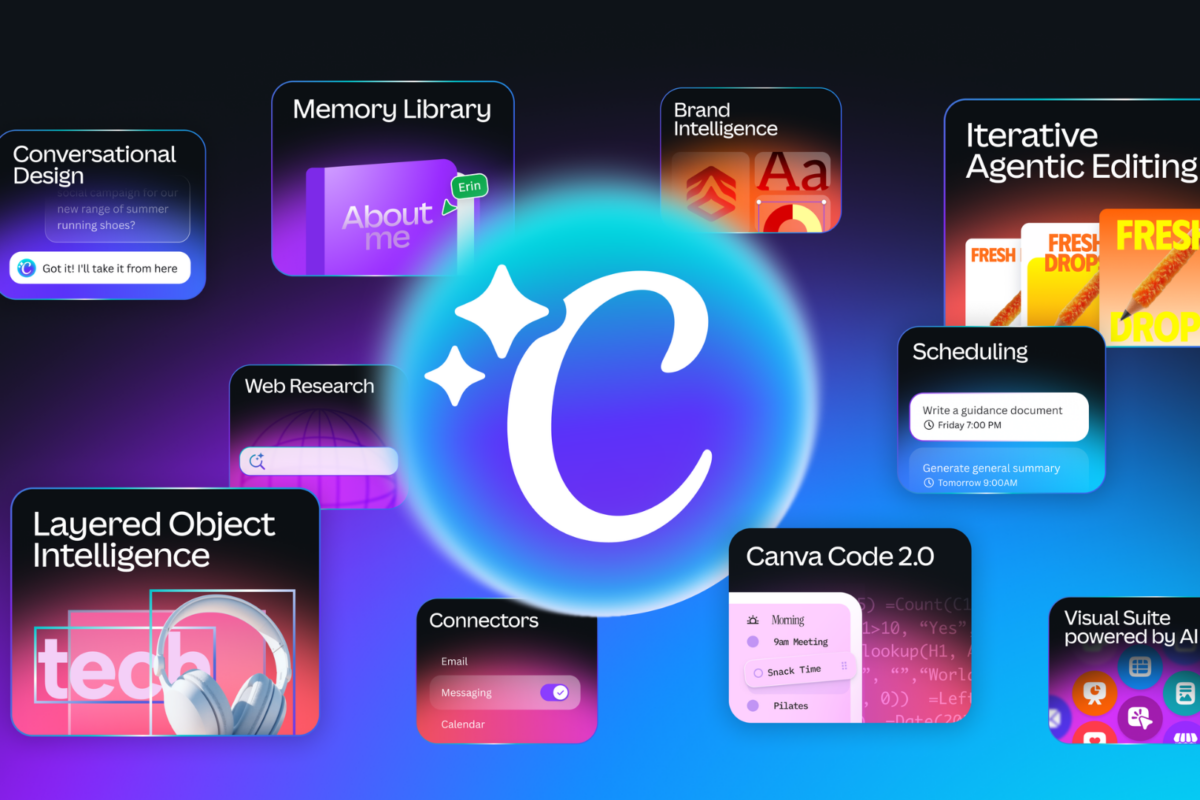
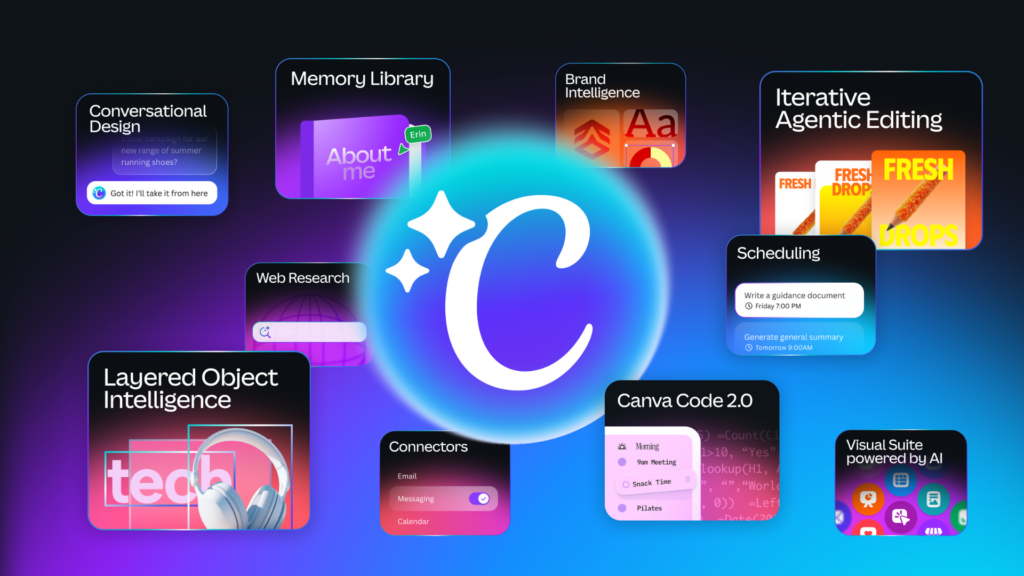
With Canva AI 2.0, users can generate fully editable designs using natural language prompts, removing the need to start from scratch or rely on templates.
The platform’s new “agentic orchestration” feature allows users to describe a goal, such as launching a campaign, and have the platform generate outputs across formats. Instead of producing a single result, the system continues assisting throughout the workflow, enabling teams to refine and iterate in real time.
Automating workflows for teams
Beyond design, Canva is introducing tools aimed at automating business tasks. New features include scheduling capabilities that allow recurring content generation and background task execution, as well as web research tools that compile structured insights directly into projects.
The platform is also integrating with commonly used workplace tools such as Slack, Google Drive, Gmail, and Zoom, allowing users to pull data and content into the design platform without switching between apps.
This move signals a push toward consolidating fragmented workflows into a single interface.
Competing in the AI platform race
The launch places the design platform more directly in competition with leading AI platforms, as companies race to become the central hub for productivity.
The firm has also expanded its ecosystem integrations, allowing content generated from tools like ChatGPT and Claude to be imported and edited within its platform.
This broader push reflects the design platform’s ambition to become a core layer in how work gets done, not just how content is designed. The company says it is now among the most widely used AI platforms globally, underscoring growing adoption of AI-driven tools in business environments.
Implications for startups and teams
For startups, including those in fintech, Canva AI 2.0 highlights a growing trend toward AI-powered efficiency.
By combining design, data, and automation in one system, tools like Canva could help teams reduce reliance on multiple software platforms while accelerating output.
As competition in AI intensifies, platforms that can unify workflows and deliver end-to-end productivity may play a larger role in how modern teams operate.