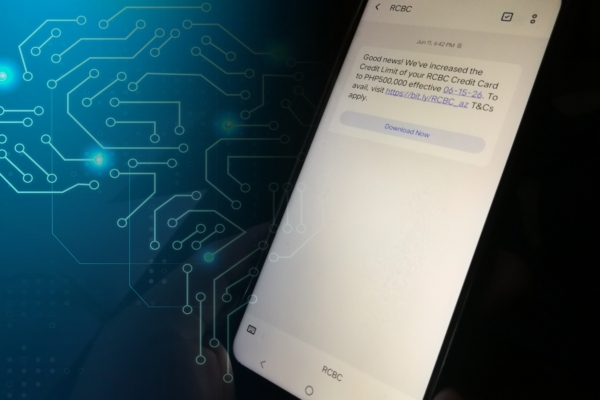


TrendMicro‘s Enterprise is stepping into a new phase as Philippine organizations face mounting pressure to adopt artificial intelligence — even when readiness remains uneven.
The transition to TrendAI™ reflects not just innovation, but also a response to a fast-moving “AI race” that is reshaping how businesses operate, compete, and secure their systems.
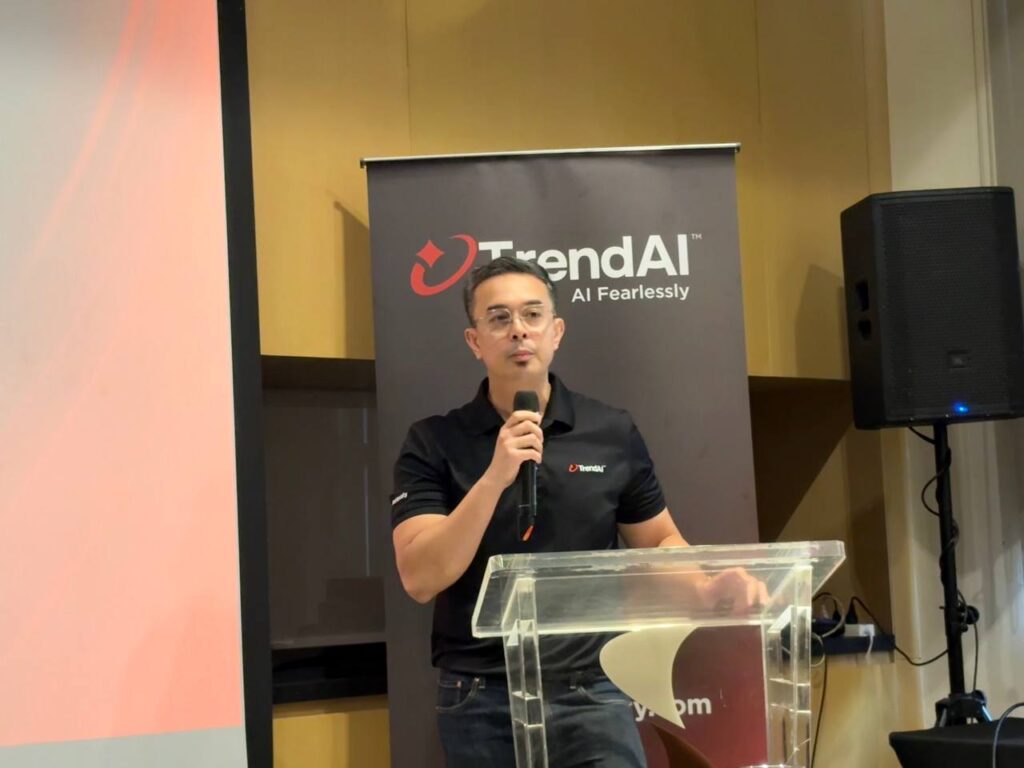
Across industries, companies are no longer simply exploring AI — they are being pushed into it.
As Ryan Flores, Director of Threat Research at TrendAI, puts it, “there is really a race going on” and it’s being driven by investor expectations, market competition, and the growing fear of being left behind.
TrendMicro’s Enterprise and the AI adoption rush
The rebranding of Trend Micro’s enterprise unit comes at a critical moment, as AI adoption accelerates under pressure. Organizations are integrating AI into their strategies not just for efficiency, but to remain competitive in a rapidly evolving market.
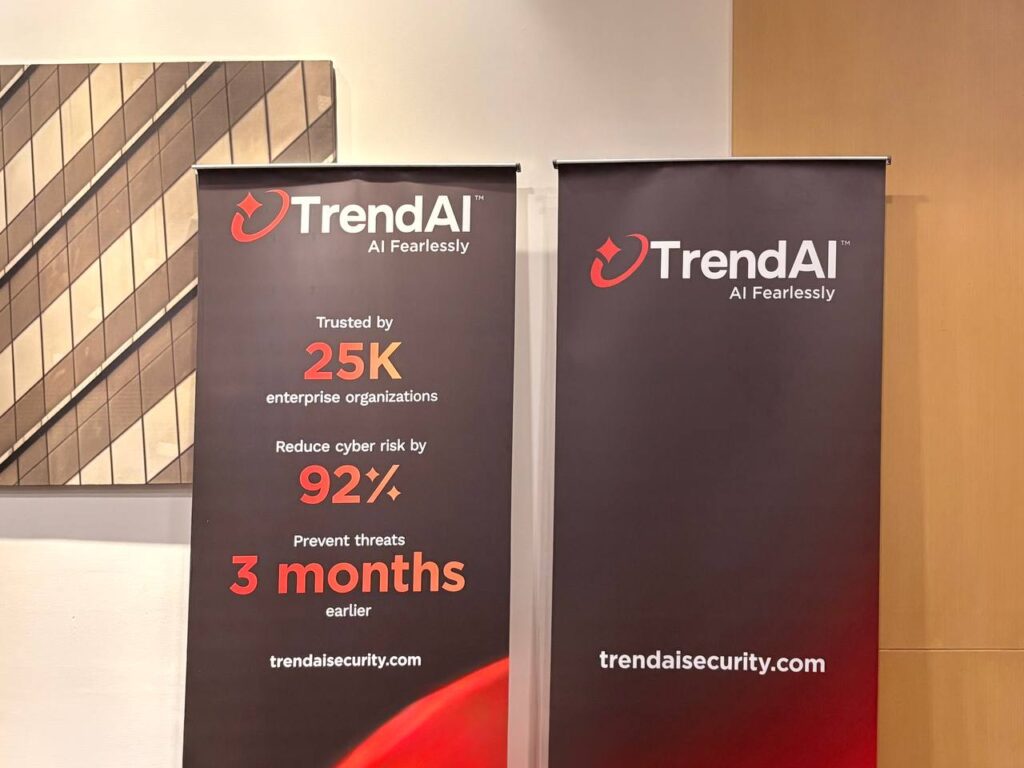
“Companies have FOMO,” Flores explained, pointing to how businesses feel compelled to adopt AI simply because competitors are already doing so. This urgency is often top-down, with boards and investors expecting AI integration regardless of operational readiness.
In fact, many IT leaders are being pushed into decisions they are not fully confident about. “A lot of decision-makers were forced to implement AI… even if they have concerns,” highlighting a growing tension between innovation and security within enterprises.
The hidden risks behind AI acceleration
While adoption surges, Trend Micro’s Enterprise underscores a critical reality: faster implementation often leads to higher risk exposure. As organizations deploy AI systems, they introduce new technologies that expand their attack surface and create vulnerabilities.
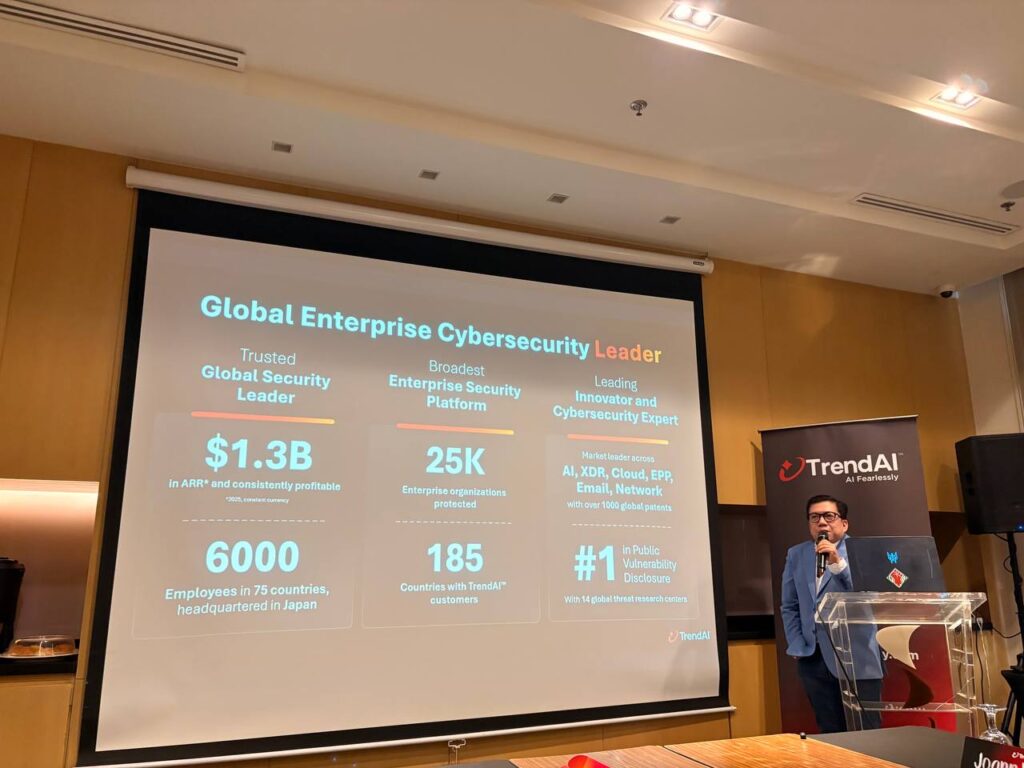
“AI systems are dynamic… they operate at a speed humans cannot match,” said Ian Felipe, Country Manager of TrendAI Philippines, emphasizing how traditional security approaches struggle to keep up. This shift requires moving away from reactive defense toward proactive cybersecurity strategies.
Another growing concern is governance. Without clear policies, AI systems can behave unpredictably. Felipe warned that “AI can really go against you and do harm if there are no policies or rules,” especially when access is not controlled or sensitive data is improperly handled.
TrendMicro’s Enterprise push for responsible AI use
Trend Micro’s Enterprise is positioning itself as a guide for organizations navigating this high-pressure AI landscape. The focus is not just on enabling adoption, but ensuring it is done responsibly and securely.
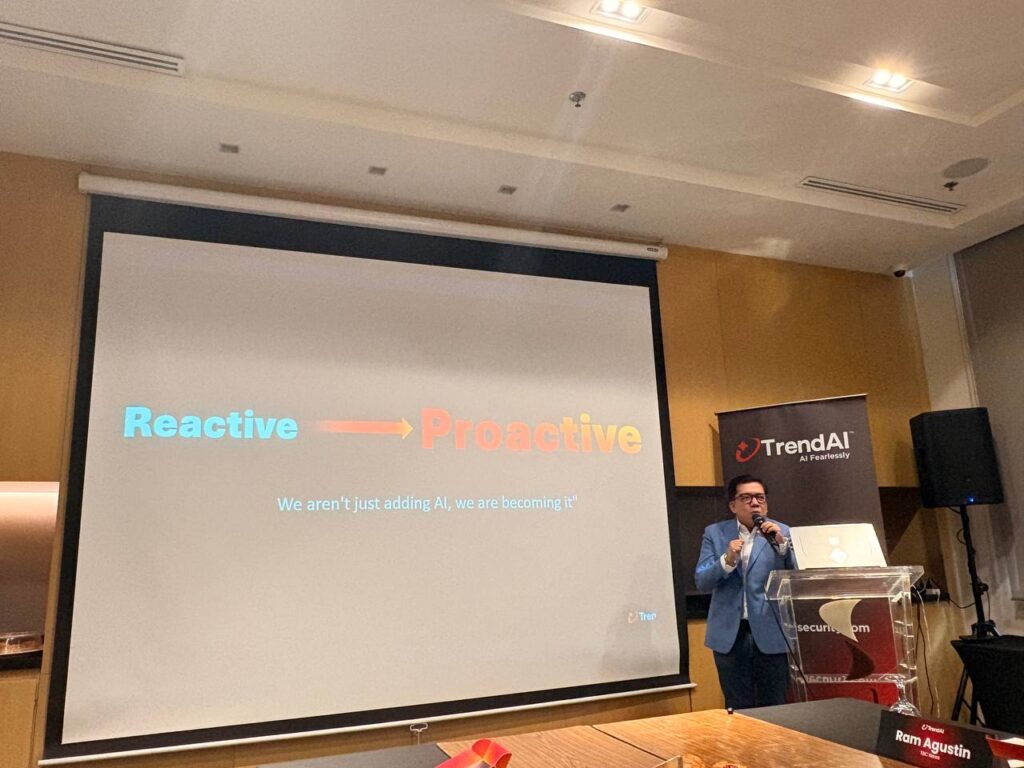
A key principle is control over inputs and usage. “AI won’t do anything unless it gets input,” Flores explained, stressing the importance of input validation and data security. This reinforces the need for structured policies, limited access, and clear operational frameworks.
At a broader level, collaboration is essential. Governments, private companies, and cybersecurity leaders must work together to define standards. “It’s an ongoing discussion… an ever-evolving situation,” reflecting how AI governance is still taking shape both globally and locally.
Beyond the AI hype cycle
Trend Micro’s Enterprise highlights a crucial truth: the AI race is real, but winning it requires more than speed. It demands clarity, control, and a strong cybersecurity foundation.
As Philippine businesses continue to adopt AI under pressure, those that balance innovation with security will be better positioned to lead. In this evolving landscape, the real advantage lies not in adopting AI first — but in adopting it right.