
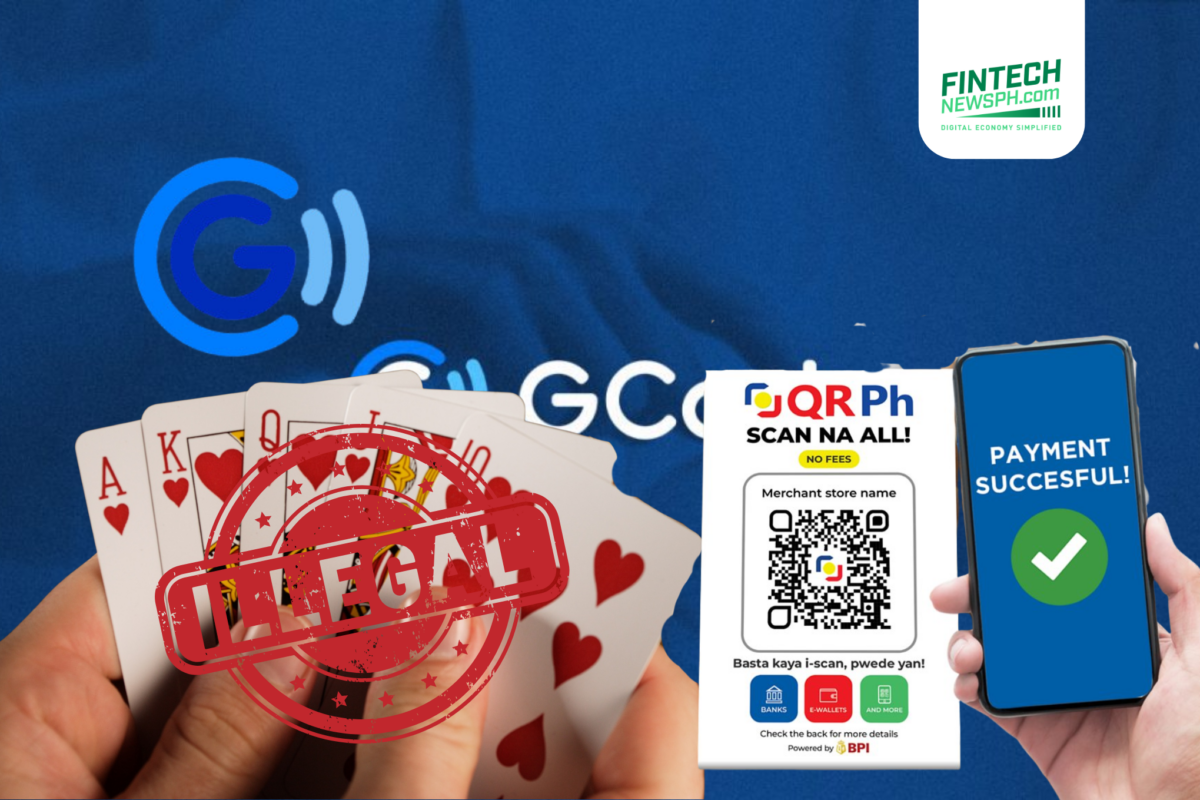
The crackdown on illegal gambling by GCash is reshaping the Philippines’ digital payments landscape, as the mobile wallet takes a firmer stance against illicit activity within its platform.
In a sweeping enforcement move, GCash said it has suspended over 3,200 merchants linked to illegal gambling, signaling stronger efforts to protect users and enforce compliance.
The action forms part of a broader push to secure the QRPh ecosystem, a key component of the country’s interoperable payments infrastructure. As digital transactions continue to rise, ensuring trust and security has become as critical as driving adoption.
A stronger stand against illicit activity
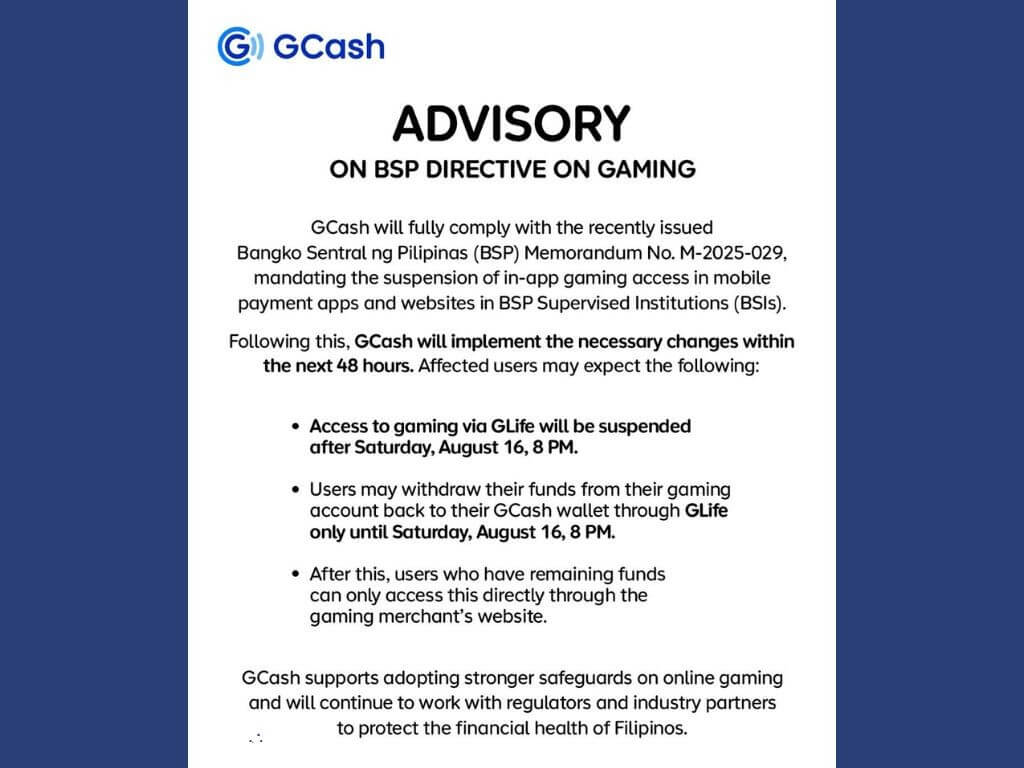
The GCash illegal gambling crackdown highlights how fintech platforms are evolving from payment enablers into active gatekeepers of financial integrity.
By identifying and removing thousands of non-compliant merchants, GCash is reinforcing its role in safeguarding users from fraudulent and illegal schemes.

The move reflects how fintech platforms are evolving from simple payment enablers into active gatekeepers of financial integrity. By identifying and removing thousands of non-compliant merchants, GCash is reinforcing its role in protecting users from fraudulent and illegal schemes.
The company has also been working with law enforcement agencies to track suspicious transactions and dismantle organized digital gambling networks. The collaboration highlights growing coordination between private fintech firms and public institutions in addressing financial crime.
More broadly, the crackdown sends a clear message to merchants within the QRPh network: compliance is non-negotiable. As QR-based payments become more widely used, maintaining a secure ecosystem is essential to sustaining public trust.
Protecting the QRPh ecosystem
At the center of the initiative is the need to safeguard QRPh, the national QR code standard designed to enable seamless and interoperable payments. The presence of illegal operators within the system poses risks not only to users but also to the credibility of the infrastructure.
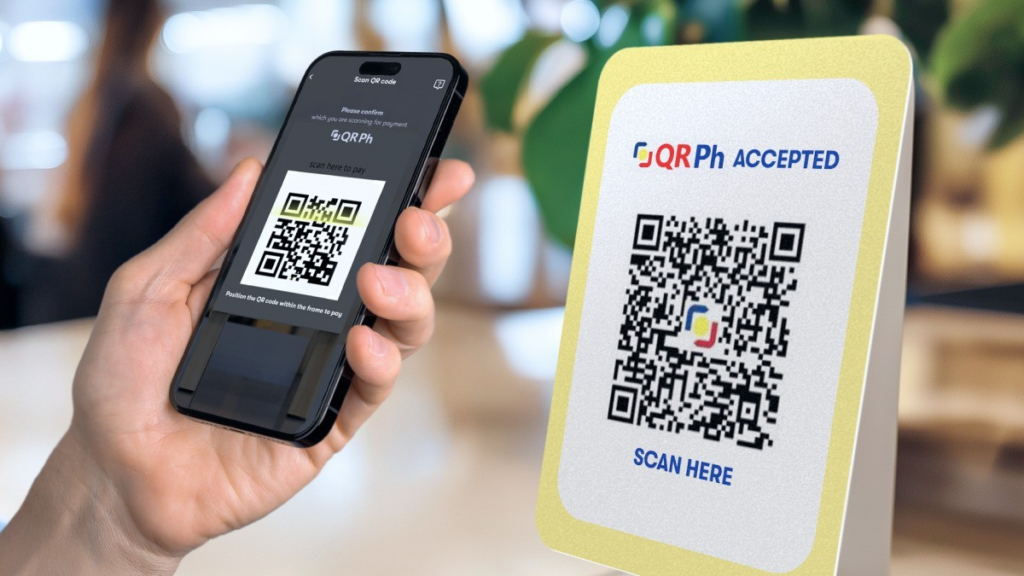
By removing bad actors, GCash aims to ensure that QRPh remains a reliable channel for everyday transactions, from small businesses to larger enterprises.
The move also aligns with the efforts of the Bangko Sentral ng Pilipinas to promote a safe and inclusive digital economy. As more Filipinos turn to mobile wallets and QR payments, the resilience and security of these systems will play a critical role in their long-term growth.
Balancing growth and oversight
The rapid expansion of digital payments has opened new opportunities, but also introduced new risks. The GCash crackdown underscores the balance fintech firms must strike between scaling their platforms and enforcing strict oversight.
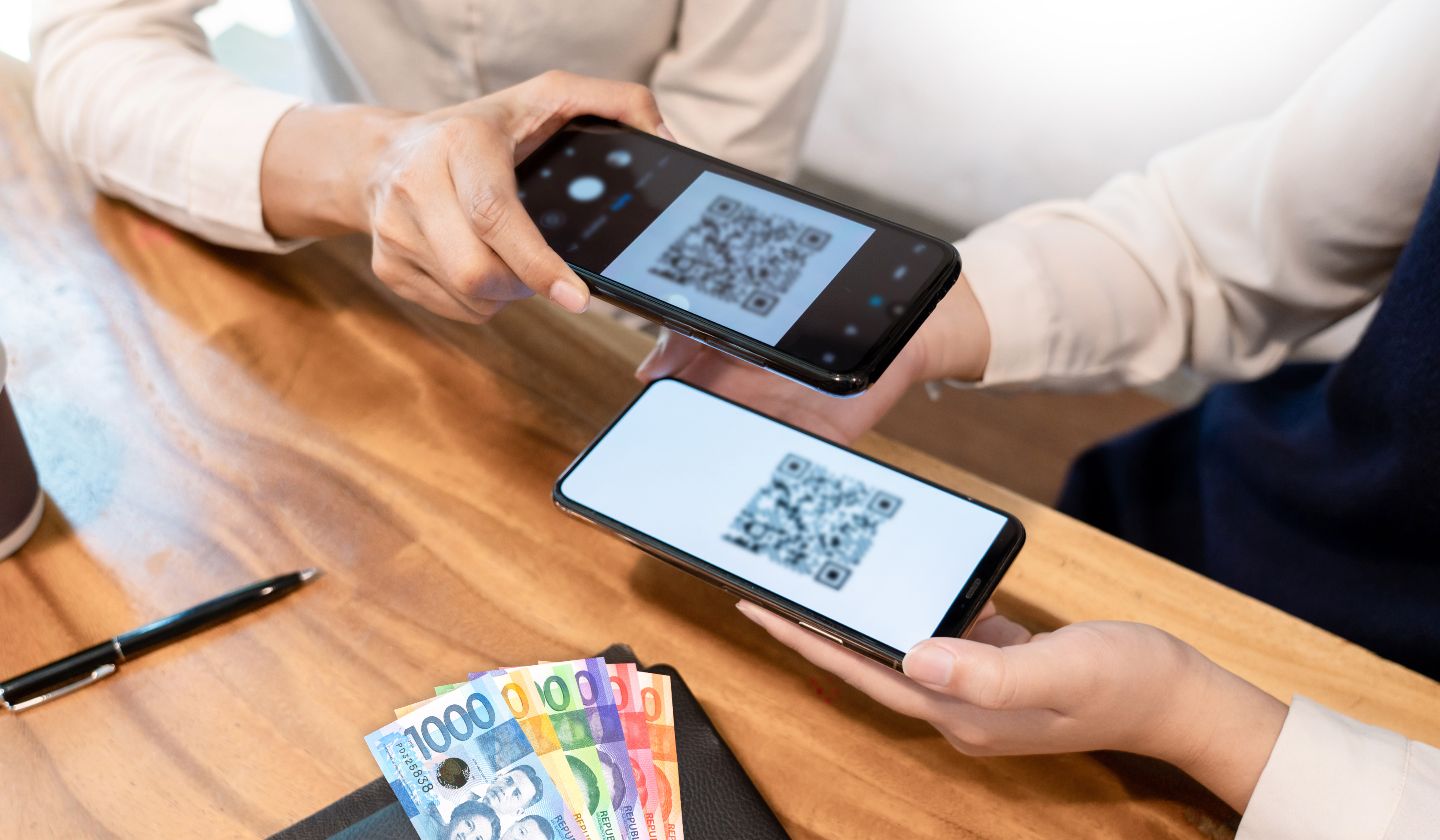
While onboarding more merchants supports financial inclusion, it also increases the complexity of monitoring transactions and ensuring compliance. This has made investments in fraud detection, data analytics, and regulatory partnerships increasingly important.
Industry observers say the move could set a precedent for other fintech players in the region, as digital ecosystems continue to expand.
Building trust in a cashless future
The crackdown marks a significant step in strengthening the country’s digital payments system. By removing thousands of illegal operators and reinforcing safeguards around QRPh, GCash is working to build a more secure financial environment for its users.

As the Philippines moves closer to a cashless economy, trust will remain central to adoption — making efforts to protect consumers and uphold system integrity more important than ever.