


The Social Security System (SSS) is preparing to pilot a new microloan program in the first half of 2026, positioning it as a safer and more affordable alternative to high-cost informal lending that continues to trap many Filipinos — particularly pensioners — in cycles of debt.
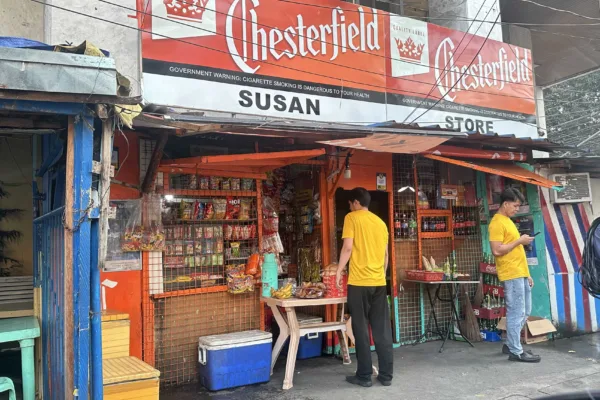
As reported in Inquirer.net, Finance Secretary Frederick D. Go, who also chairs the Social Security Commission, said the proposed SSS Micro-Loan Program is designed to meet members’ immediate cash needs while steering them away from loan sharks and other predatory lenders.
“This program will help steer members away from loan sharks and other high-cost, predatory lending schemes, while promoting responsible borrowing,” Go said, describing the initiative as a “safe, affordable, and convenient” credit option with flexible repayment terms.
The microloan initiative aligns with the Marcos administration’s broader push for financial inclusion and consumer protection. President Ferdinand R. Marcos Jr. has earlier directed government agencies to develop programs that provide viable alternatives to informal lending, particularly as authorities intensify efforts to crack down on abusive practices.
Recently, the Department of Finance ordered the Securities and Exchange Commission (SEC) to cap interest rates and fees charged by lending firms.
Digital delivery, short-term credit
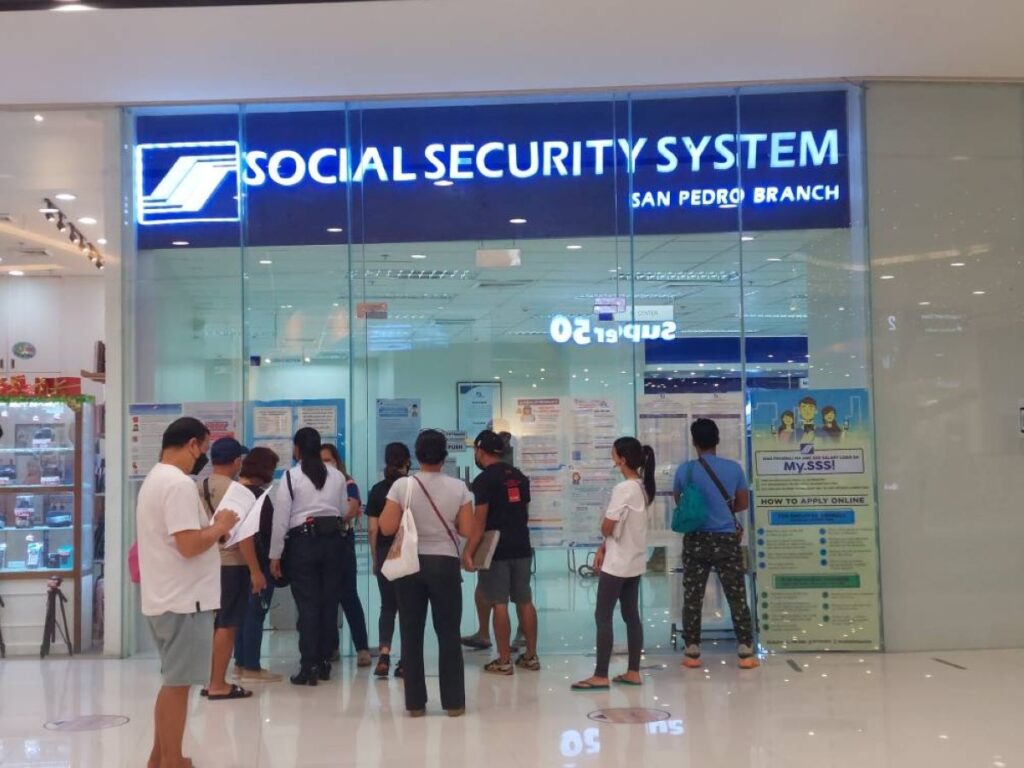
Under the proposed program, loan amounts will range from P1,000 to P20,000, depending on a member’s average monthly salary credit.
Borrowers may choose repayment terms of 15 to 90 days, with interest set at 8 percent per annum, or about 0.67 percent per month — significantly lower than rates typically imposed by informal lenders.
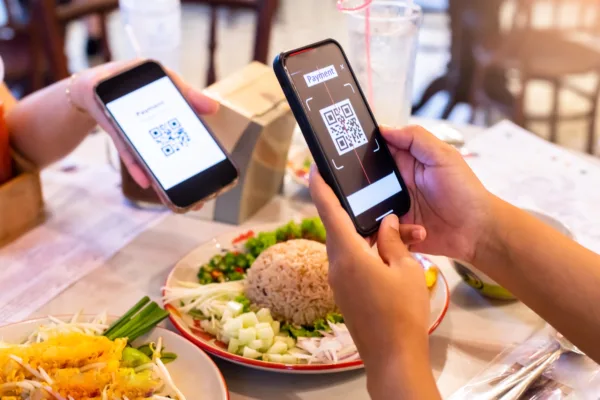
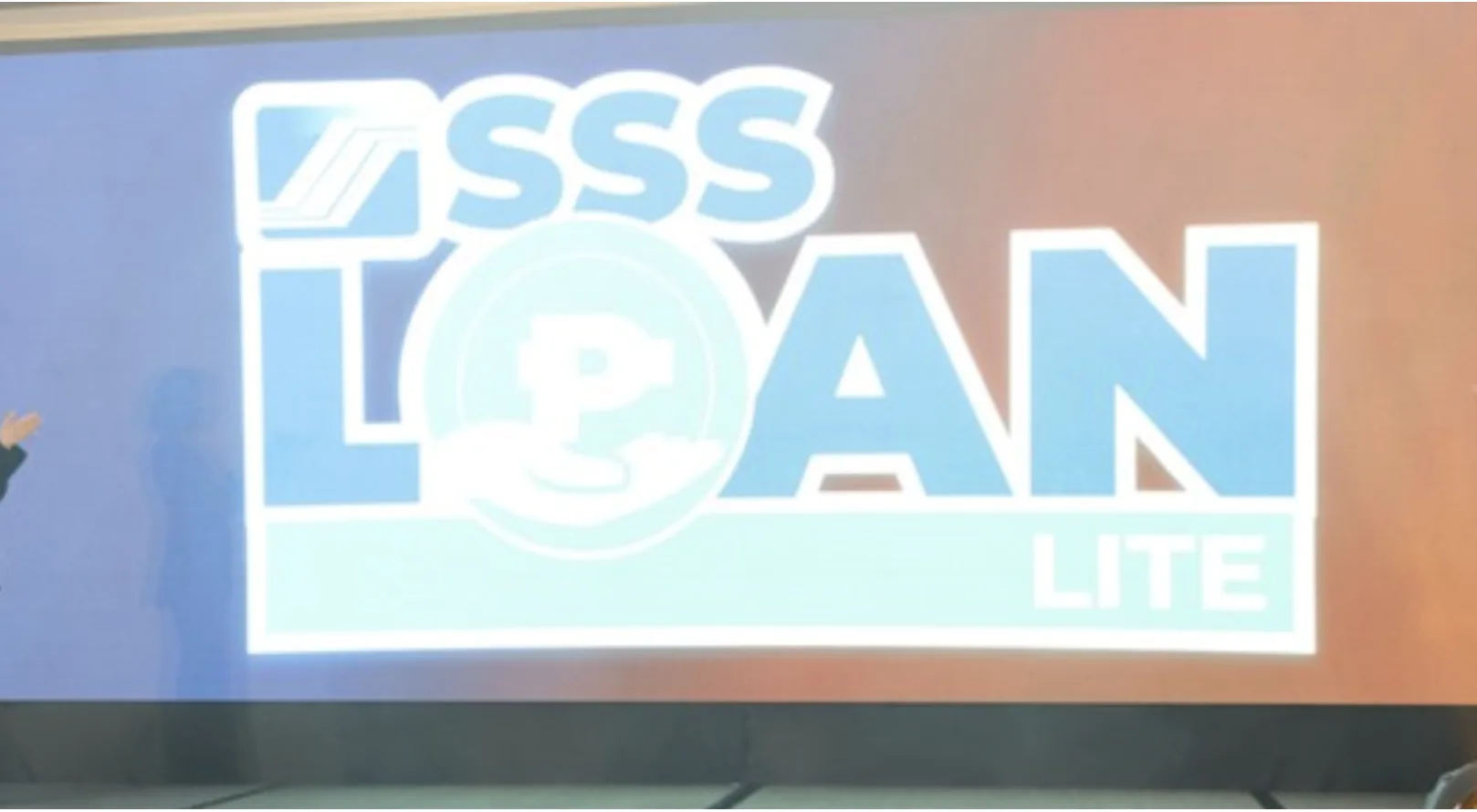
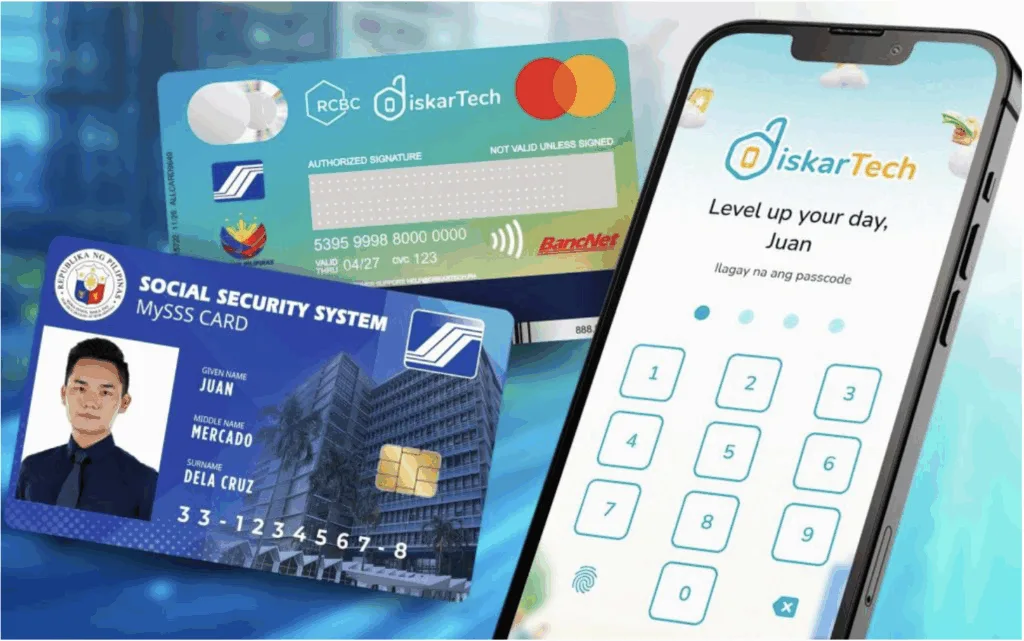
The SSS plans to roll out the program through the digital platforms of participating banks and financial institutions, reinforcing the agency’s broader digitalization push. In September, SSS launched LoanLite in partnership with UnionBank of the Philippines as part of its efforts to expand access to formal credit channels.
Eligible members must be aged 18 to under 65, have at least 12 paid monthly contributions, and have no pending or settled retirement, total disability, or death benefit claims. Members with existing SSS loans may still qualify, subject to program limits.
The SSS first announced the program’s 2026 implementation on December 24, following the Commission’s approval of its guidelines. Systems integration and bank partnerships are currently being finalized ahead of the pilot rollout.
“This microloan program reflects our continued commitment to strengthening social protection and advancing financial inclusion for all Filipinos,” Go said.
SSS program gains support from lawmakers, pensioner advocates
The proposal has drawn support from lawmakers, particularly those representing senior citizens. Senior Citizens Party-list Rep. Rodolfo “Ompong” Ordanes welcomed the initiative, stressing that only state-run institutions like the SSS and the Government Service Insurance System (GSIS) should be authorized to provide pension loans.
“The SSS and GSIS are the only efficient and capable institutions that can meet the loan needs of pensioners,” Ordanes said, adding that interest payments on government-issued loans ultimately benefit the public while protecting retirees from abusive lenders.
“Mali na ang kakarampot na pension ng retired SSS at GSIS members ay mapupunta sa lending companies,” he said, noting that the microloan program would help ensure pensioners are not buried in debt.
Ordanes also called on the Department of Finance (DOF) and the SSS to mount an effective information campaign to ensure members understand the program’s benefits and safeguards.
Complementing emergency support
Beyond the microloan initiative, Go also cited the SSS Emergency Loan Program (ELP) as a key component of the government’s financial safety net.
The ELP was rolled out following the declaration of a State of National Calamity under Proclamation No. 1077 in November 2025, offering eligible members loans ranging from P 1,000 to P 20,000 at a 7 percent annual interest rate, with a six-month repayment moratorium.
President Marcos has since approved the extension of the ELP’s rollout, allowing qualified members to access emergency assistance until either one year from its announcement or the lifting of the State of National Calamity — whichever comes first.
“The emergency loan offers members a better alternative to informal lenders who charge unreasonably high-interest rates, enabling members to focus on recovery during challenging times,” Go said.
Taken together, the SSS microloan and emergency loan programs underscore the government’s growing use of digital finance and targeted credit to protect vulnerable Filipinos — signaling a shift toward more inclusive, state-backed lending solutions as the country confronts persistent issues around informal finance.
Check out this link to know more about the program: https://youtu.be/tjejzEGQJMo.