


Metropolitan Bank & Trust Co. (Metrobank) expects a moderate recovery for the Philippine economy in 2026, as easing inflation, a more accommodative monetary policy environment, and gradually improving global conditions help offset lingering external and domestic headwinds.
The outlook comes after a volatile 2025 marked by early optimism that faded as global uncertainties intensified. Market jitters stemming from shifting US policies, a government shutdown in the United States, and weakening domestic conditions weighed on growth prospects, despite initial expectations that the Philippines would be relatively insulated from global headwinds.
According to Metrobank, sentiment toward the US economy has turned more constructive heading into 2026. The bank cited the moderation of US President Donald Trump’s tariff stance and the US Federal Reserve’s increasing openness to policy rate cuts as key factors supporting a potential recovery in the world’s largest economy.
“Following a shallow recession last year, the US economy is expected to recover in 2026, although growth prospects remain moderate amid lingering weak demand and a cooling labor market,” Metrobank said in a press release.
Fed and BSP seen extending easing cycles

Metrobank expects both the US Federal Reserve and the Bangko Sentral ng Pilipinas (BSP) to continue easing monetary policy in 2026, providing support to economic activity.
The bank forecasts the Fed to deliver a cumulative 100-basis-point cut to the federal funds rate next year, bringing it to a terminal range of 2.50% to 2.75% by end-2026. While inflation in the US is expected to remain above the Fed’s target, downside risks to the labor market could prompt policymakers to tolerate slightly higher inflation in exchange for stronger growth support.
On the domestic front, Metrobank sees more room for the BSP to cut rates, as inflation has settled below the central bank’s 2.0% to 4.0% target range. Inflation in 2026 is expected to move back within target, largely due to base effects and still-soft demand conditions.
Metrobank projects the BSP to deliver a cumulative 50-basis-point cut in 2026, bringing the reverse repurchase (RRP) rate to a terminal level of around 4.00% by year-end. This would widen the interest rate differential with the Fed to approximately 125 basis points.
Philippine growth to improve gradually
Metrobank noted that Philippine economic fundamentals weakened more than expected in 2025. Gross domestic product (GDP) growth in the third quarter of 2025 surprised markets on the downside, as private consumption fell to levels last seen more than 15 years ago, excluding the pandemic period.
The slowdown was driven by reduced public construction, weak government spending, and subdued consumer confidence, compounded by allegations of large-scale corruption. In contrast, exports proved more resilient than anticipated, despite higher US tariffs.
Looking ahead, Metrobank expects government spending to remain subdued in the near term but improve in 2026 following a period of fiscal restraint. As monetary policy shifts toward neutral and the investment environment stabilizes, investment activity is expected to pick up.
Private consumption is also seen improving, supported by anticipated increases in direct cash transfers from the government. However, Metrobank cautioned that elevated household debt levels and fragile sentiment could cap gains.
“Overall, these developments should allow GDP growth to strengthen this year,” the bank said.
Inflation and peso outlook
Metrobank expects inflation to rise modestly in 2026, driven mainly by rebounding demand and base effects. As the lagged impact of monetary easing feeds through the economy, stronger household consumption could add upward pressure on prices.
The bank projects inflation to average 3.3% in 2026 and 3.0% in 2027, up from an estimated 1.7% in full-year 2025. Inflationary pressures may be exacerbated by higher import costs linked to tariffs and a weaker peso.
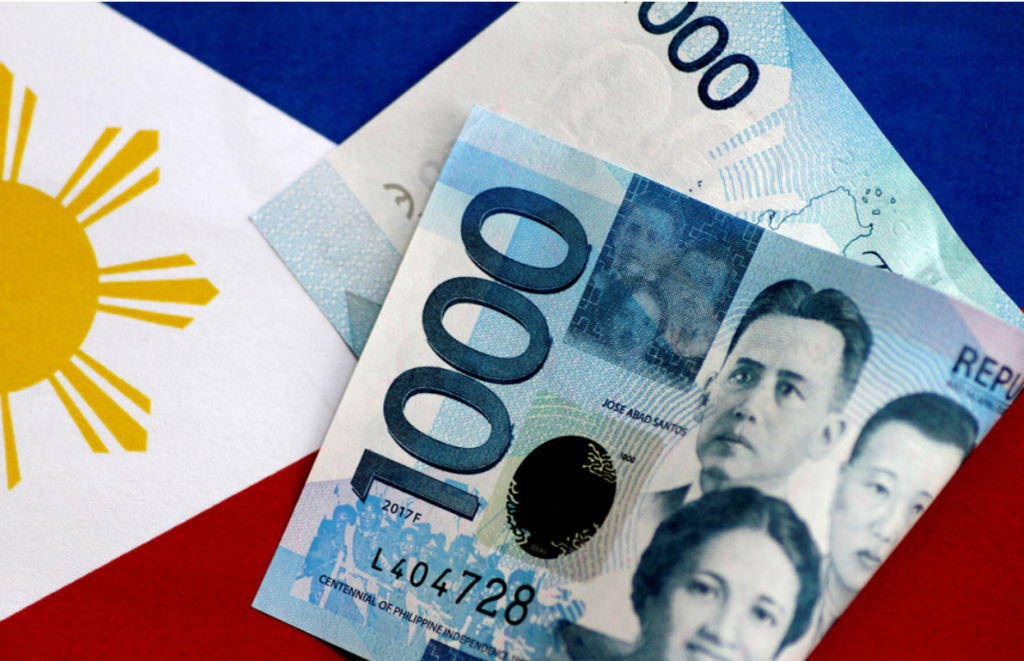
Metrobank also revised its outlook for the peso, citing expectations of a stronger US dollar and softer investor sentiment. While resilient exports may help narrow the current account deficit, it is expected to remain wide, continuing to weigh on the peso despite a wider interest rate differential.
More constructive outlook ahead
Despite ongoing challenges — particularly on the external and confidence fronts— Metrobank said 2026 presents a more constructive backdrop compared with the previous year.
“With easing inflation pressures, a more accommodative policy environment, and improving growth prospects, the Philippine economy appears better positioned to absorb shocks,” the bank said, adding that sustained policy support and effective reforms will be key to ensuring a gradual and durable recovery.