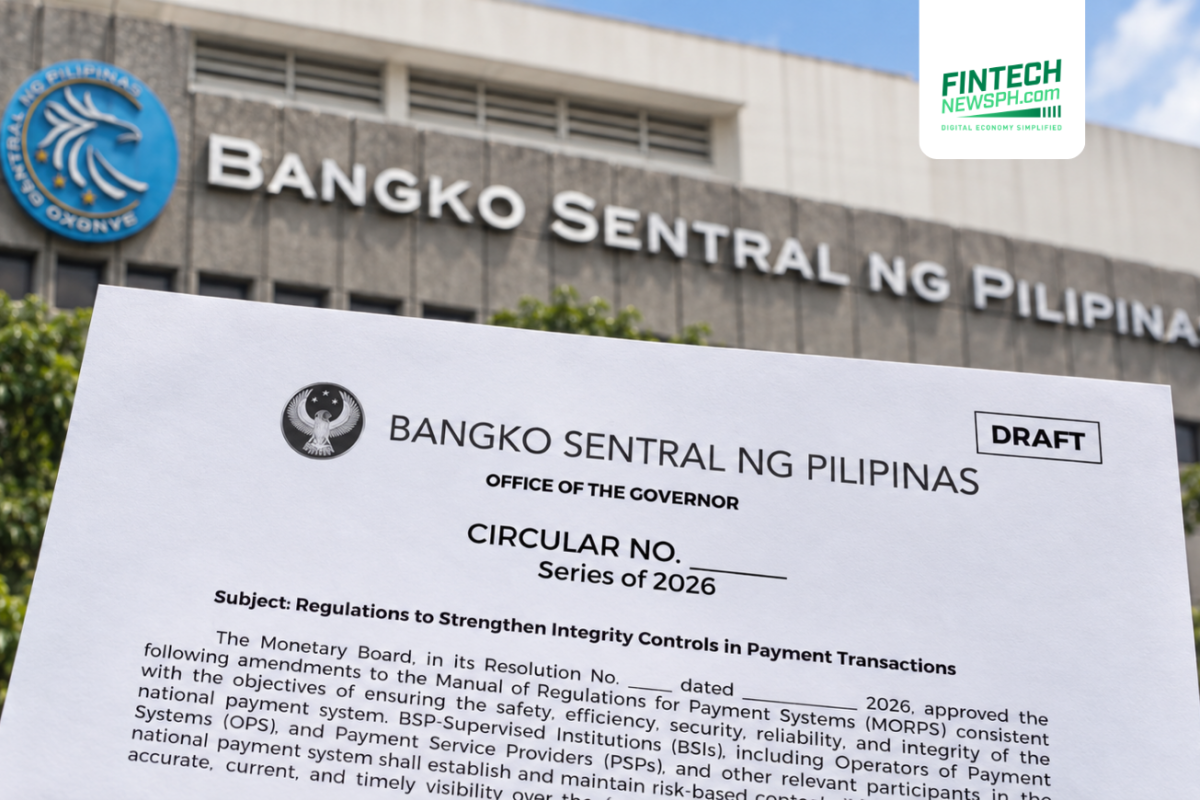
The proposed BSP payment system operator freeze could temporarily shut the door to new entrants for 12 months while the central bank reassesses how companies that operate payment systems are classified and regulated.
Under a new BSP exposure draft on integrity controls in payment transactions, the Bangko Sentral ng Pilipinas would suspend the acceptance and processing of new applications for registration as an Operator of Payment Systems, or OPS, for one year from the rules’ effectivity.
Applications submitted before the suspension could still undergo evaluation. However, the BSP would not issue a final approval or denial until the moratorium is lifted.
The pause is intended to give the central bank time to conduct what it described as a “holistic review” of its OPS taxonomy and licensing framework, including related risk-management and regulatory considerations.
But the proposed regulation goes considerably further than deciding who can enter the payments industry.
Payment providers would have to know the actual merchant
A major part of the draft focuses on making payments traceable even when several companies or intermediaries are involved.
Under the proposed rules, BSP-supervised institutions would have to maintain sufficient and current visibility over the merchants, intermediaries, accounts, transactions and settlement flows involved in payment activity.
For institutions engaged in merchant acquisition, payment and settlement records would need to identify the merchant that provided the goods or services, the payment channel used, the amount received and the verified settlement account.
The BSP proposal states that an institution should not process or continue processing a transaction when the merchant cannot be identified or when the transaction cannot be attributed and reconciled to that same merchant.
This could have significant implications for layered payment arrangements where aggregators, platforms or other intermediaries sit between the financial institution and the business ultimately accepting the payment.
The draft recognizes that these arrangements can help smaller merchants and online businesses access digital payments, but it also warns that additional layers can reduce visibility over the actual seller, the goods or services involved, settlement flows and the ultimate beneficiary of a payment.
Where an underlying merchant cannot be verified or merchant-level transaction attribution is unavailable, the proposed rules would require affected transactions, merchants, intermediaries, accounts or channels to be restricted or suspended as appropriate.
BSP also wants a national QR merchant database
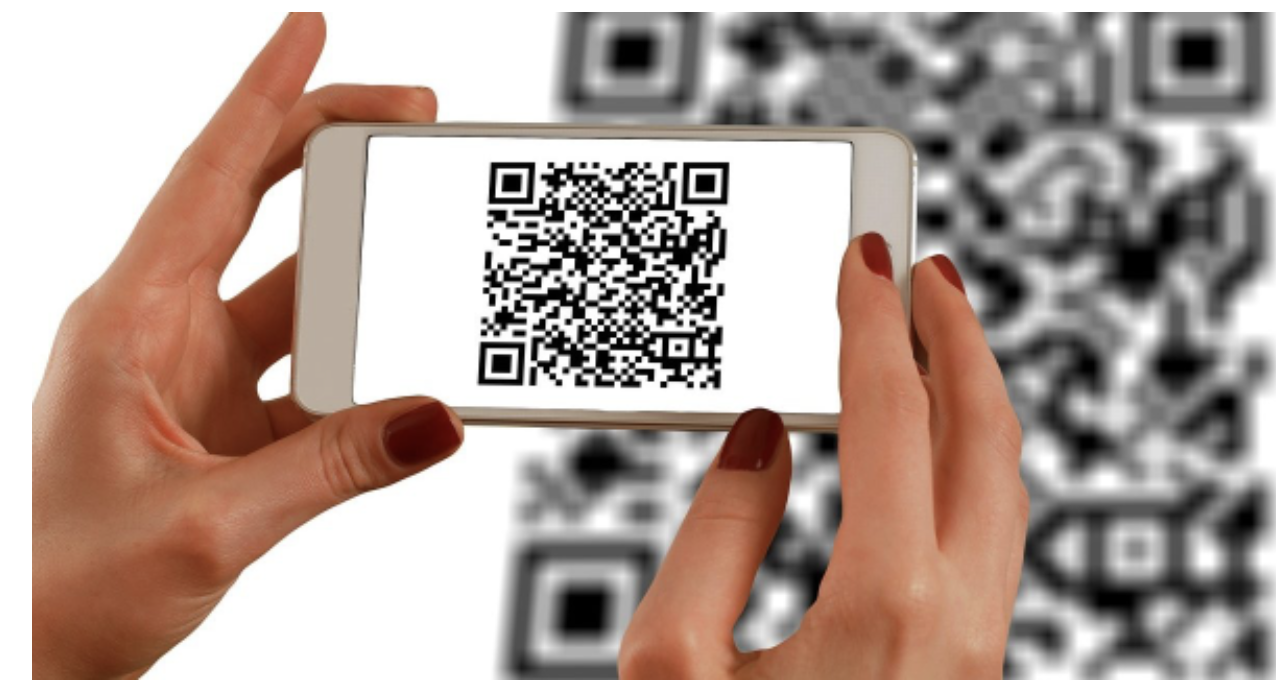
A centralized National QR Code Merchant Database for businesses accepting payments
The proposal would also establish a centralized National QR Code Merchant Database for businesses accepting payments through the country’s National QR Code Standard.
According to the draft circular, the repository is intended to support merchant identification and verification, improve fraud prevention and detection, facilitate interoperability among payment service providers and strengthen the reliability of QR-enabled payments.
The database would include a merchant’s unique identifier, registered business and trade names, business classification, registration and licensing details, principal address, payment service providers and verified settlement-account information.
It would also contain beneficial ownership information where applicable, onboarding dates, risk classifications and merchant status, including whether a business is active, suspended, terminated or subject to restrictions.
Payment service providers would be responsible for keeping their merchant information accurate, complete and current, while inconsistencies between their own records and the national database would have to be investigated and corrected.
Under the proposed timeline, relevant payment service providers would have 90 calendar days from the circular’s effectivity to establish an interim secure merchant information repository.
The production database would have to become operational within 12 months, while all active merchant records would need to be migrated and validated within 15 months.
The tighter controls come as digital payments account for an increasingly large share of everyday Philippine transactions.
The BSP’s 2025 Report on E-Payments Measurement showed that digital payments represented 64.69% of total retail transaction volume in 2025, up from 57.45% a year earlier.
Merchant payments were the biggest electronic payment use case, accounting for 74.31% of total electronic payment transactions, with the BSP attributing their growth partly to the rapid expansion of QR Ph transactions.
The proposal remains an exposure draft. The one-year suspension, merchant-traceability requirements and database implementation deadlines have therefore not yet taken effect.
If finalized, the rules would not only temporarily limit new entrants into the OPS market. They would also place significantly greater responsibility on banks and payment providers to know who is ultimately receiving a payment and ensure that the transaction can be traced from acceptance through settlement.