

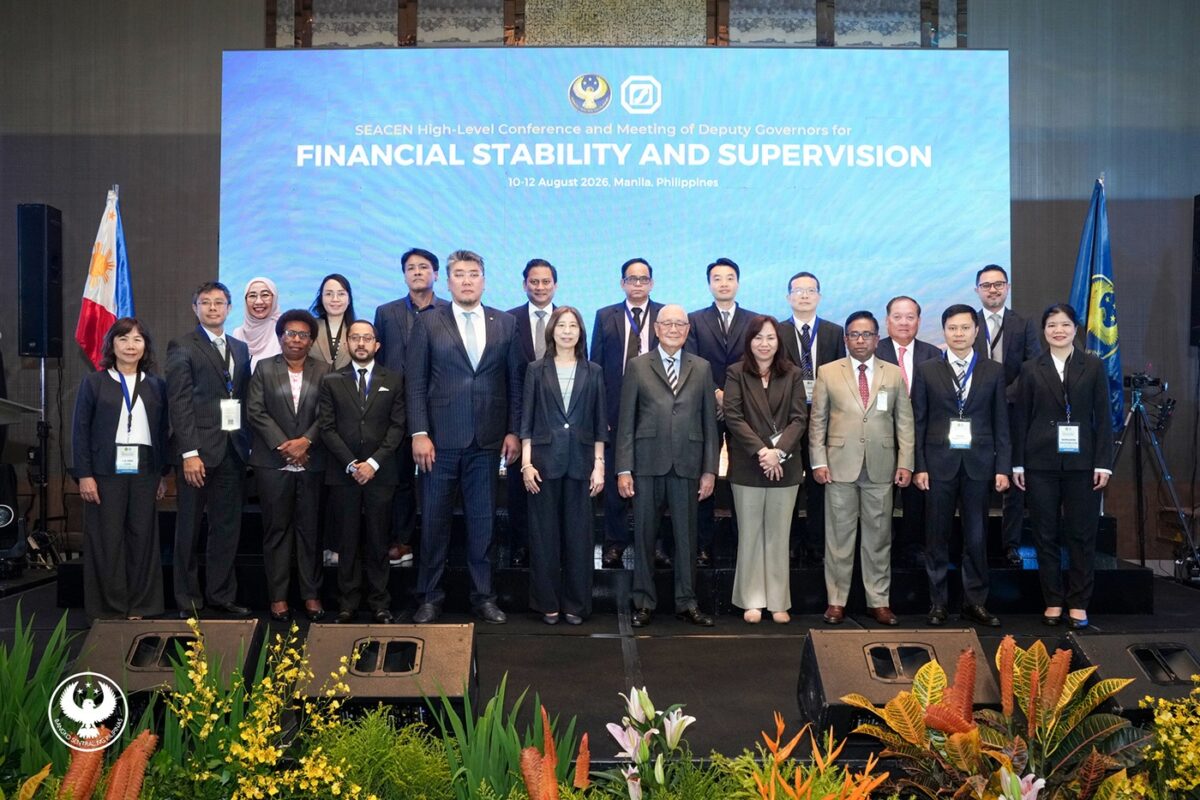
The Bangko Sentral ng Pilipinas (BSP) is calling for a more proactive approach to financial supervision as central banks face a growing mix of risks—from geopolitical tensions and cyber threats to climate change and rapid digitalization.
BSP Governor Eli M. Remolona Jr. said regulators can no longer afford to look at financial risks separately because problems in one area can quickly spill over into others.
“Risks do not exist in isolation. They interact and reinforce one another. This is why supervision must become more proactive, more forward-looking, and more collaborative,” Remolona said.
He made the remarks during the South East Asian Central Banks (SEACEN) Centre’s High-Level Conference and Meeting of Deputy Governors for Financial Stability and Supervision, held on August 11 to 12 in Taguig City.
AI, cyber threats and climate risks on the radar

IMAGE CREDIT: Magnific
Among the areas highlighted by Remolona were geopolitical conflicts, digital transformation and cybersecurity, as well as climate-related financial risks.
For regulators, the challenge is not simply responding when these risks materialize but identifying potential vulnerabilities before they threaten the wider financial system.
The BSP has been strengthening its use of data analytics, including artificial intelligence (AI) and supervisory technology, or SupTech, to improve how it monitors financial institutions.
The central bank has also incorporated the potential impact of climate-related risks into its supervisory work.
The push comes as banks and other financial institutions become increasingly dependent on technology, creating new opportunities but also exposing the financial system to risks that can move quickly across institutions and borders.
A cyber incident at one financial institution, for example, can have implications beyond that individual bank, while geopolitical disruptions can affect markets, currencies and financial flows.
Regulators seek stronger regional cooperation
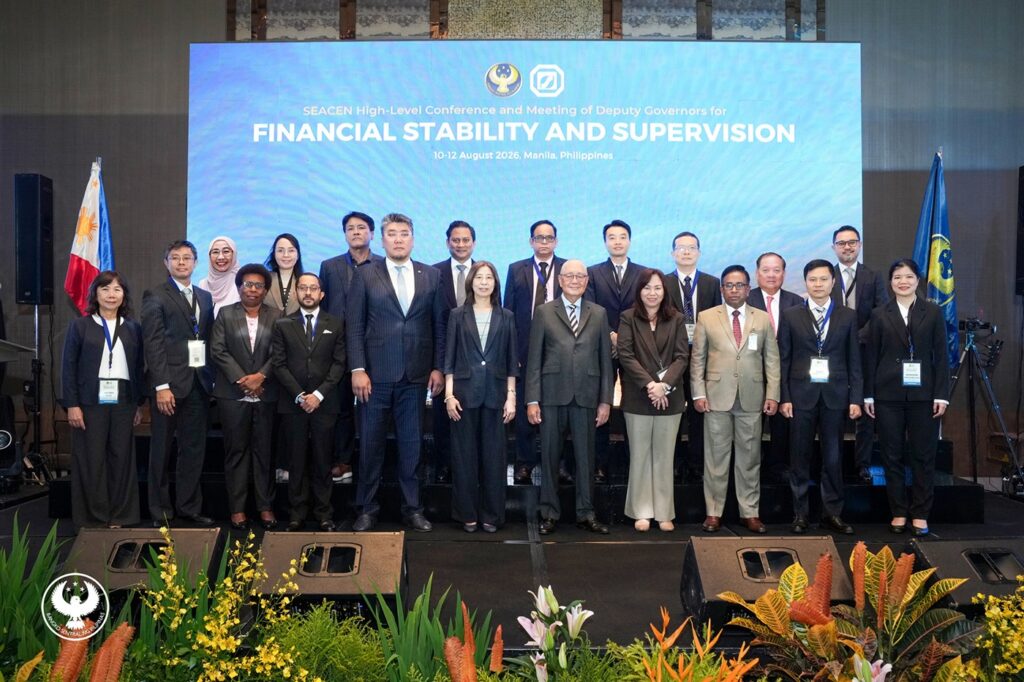
The BSP-hosted conference, themed “Central Bankers on Center Stage: Safeguarding Financial Stability in an Era of New and Re-Emerging Risks,” brought together central bank deputy governors, senior regulators and other officials from across the region and beyond.
Participants included representatives from SEACEN-member central banks in Southeast Asia, as well as Hong Kong SAR, India, Mongolia, Nepal, Papua New Guinea, China, South Korea, Sri Lanka and Taiwan.
Delegates also included representatives from international organizations.
Discussions focused on challenges facing the global and regional financial system, including ways to strengthen supervisory and crisis-management frameworks and improve the financial sector’s ability to withstand shocks.
The meeting also highlighted the need for greater cooperation among regulators, particularly as financial risks increasingly cross national borders.
Focus shifts to resilience and digital finance
Following the conference, the SEACEN Centre held its 17th Annual Meeting of Deputy Governors for Financial Stability and Supervision.
The meeting focused on capacity-building and research covering financial stability, supervision, climate-risk resilience, sustainable finance and payments.
For the Philippines, the discussions underscore a broader shift in financial regulation: supervision is increasingly becoming a technology-driven exercise that requires regulators to anticipate risks rather than simply react to them.
As digital finance expands and financial institutions become more interconnected, the BSP’s message to regional regulators is increasingly straightforward—the next financial disruption may not look like the last one, so the tools used to monitor the system cannot remain the same.