GCash, cybersecurity, and artificial intelligence are becoming central to the e-wallet’s growth strategy as digital finance competition shifts from convenience and promotions toward trust.
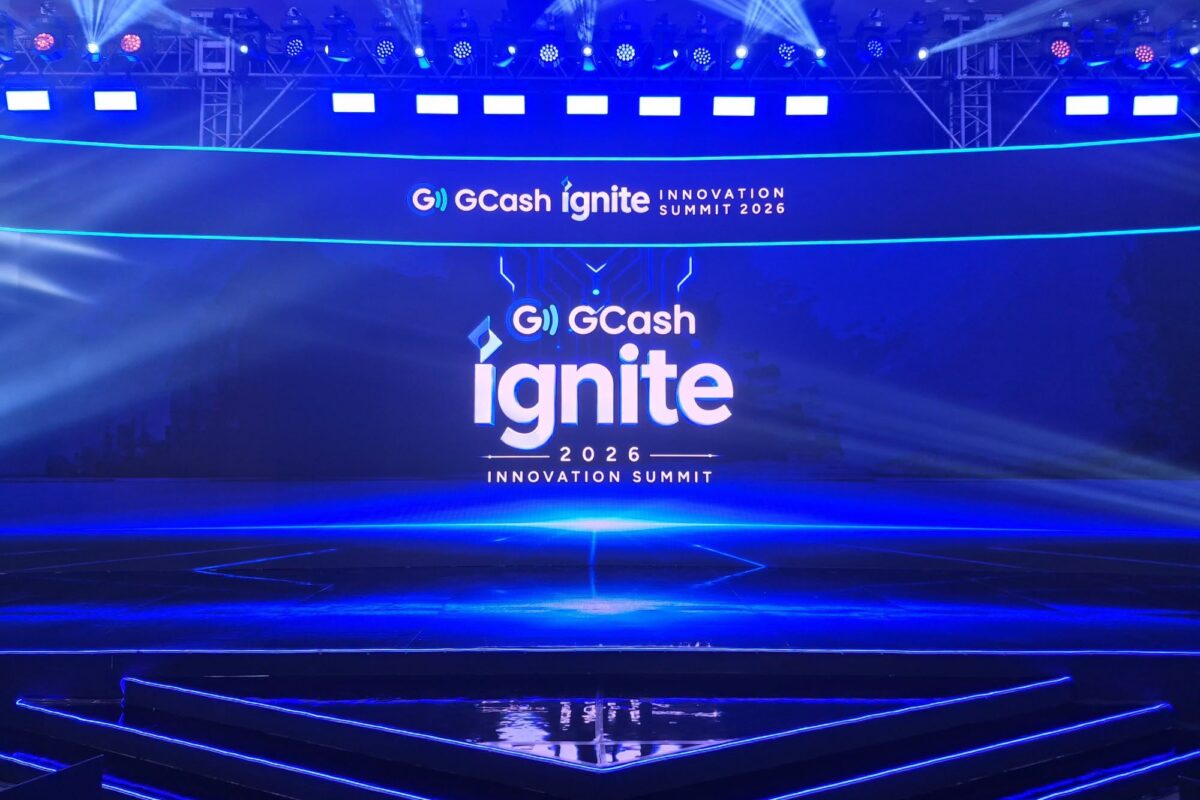
The fifth GCash iGnite Innovation Summit, held on July 24 at SMX Convention Center Aura, gathered around 3,000 participants from government, finance, cybersecurity, and global technology companies.
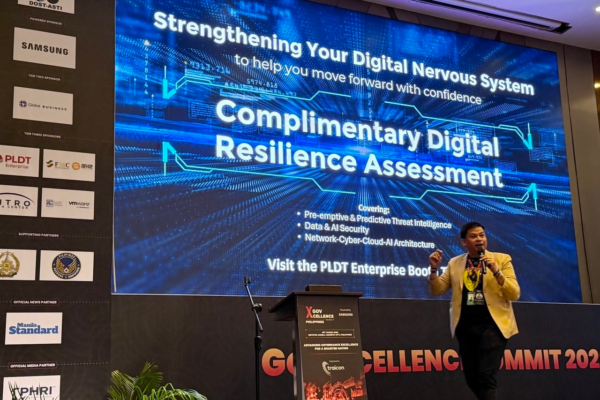
Discussions covered responsible AI, digital trust, cloud transformation, cyber resilience, and inclusive finance.

The event’s GSafe theme placed security beside product innovation rather than treating it as a back-office function. That distinction matters as customers increasingly use e-wallets for salaries, savings, credit, investments, shopping, and bills — not only occasional money transfers.
Security becomes part of the customer experience
Wallet providers previously competed heavily through cashback, rewards, low fees, and the number of services available inside one application. Those features remain important, but they can be quickly copied.
Security is harder to replicate because it depends on technology, fraud intelligence, customer support, cooperation with authorities, and how quickly a company responds when an account is compromised.
GCash has been building visible controls into the app.
Account Secure limits an account to one registered phone, while DoubleSafe uses selfie verification to reduce unauthorized access. The company also moved one-time passwords into secure in-app notifications in June to reduce exposure to SMS phishing and spoofing.
GCash also recently said it had blocked more than 6,700 suspicious merchant accounts linked to QR Ph-related scams. The figure shows that security involves monitoring the wider merchant network, not only protecting individual logins.
These protections affect more than fraud prevention. A customer locked out after losing a phone needs a reliable recovery process. A person who reports an unauthorized transaction needs clear escalation and status updates. Security therefore extends beyond stopping suspicious transfers to include identity verification, customer support, and efficient account recovery.
AI creates both an advantage and a new risk

IMAGE CREDIT: Magnific
Artificial intelligence can help financial platforms analyze transaction patterns, device behavior, merchant activity, and unusual account movements at a scale that manual review cannot match.
The same technology can also improve scams. Fraudsters can use AI to produce more convincing messages, imitate familiar voices, automate social engineering, and adjust attacks faster. This creates an ongoing contest between detection systems and increasingly sophisticated deception.
For GCash, the competitive advantage will depend on whether AI reduces false alarms while identifying harmful activity early. Security that blocks legitimate users too often can become another source of frustration.
Trust may influence the next wallet decision
Cashback can attract a customer, but confidence determines whether that customer keeps a large balance or uses a wallet for higher-value services.
As e-wallets expand into lending, investing, insurance, and international transfers, security becomes part of the product itself. Customers may increasingly compare platforms based on authentication controls, dispute resolution, fraud prevention, and overall trustworthiness.
The iGnite summit suggests that GCash sees trust as infrastructure for its next phase of growth. The challenge is turning conference discussions and security technology into protection that customers can recognize during ordinary transactions—and rely on when something goes wrong.