
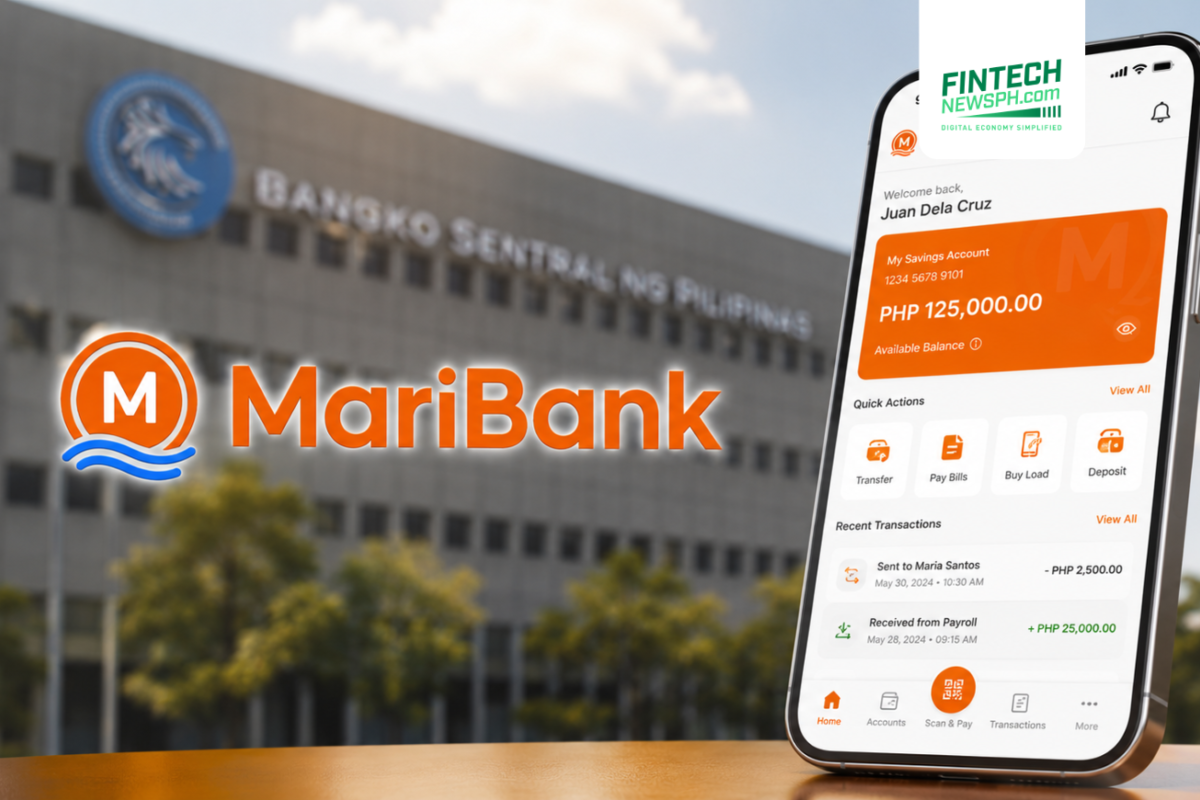
MariBank Philippines has become the country’s seventh licensed digital bank after completing its conversion from a rural bank, adding a new competitor to a market that the Bangko Sentral ng Pilipinas (BSP) is expanding cautiously.
The central bank approved MariBank’s license upgrade through a Monetary Board resolution in February. It issued the bank’s Certificate of Authority on July 8, and the institution began operating as a digital bank on July 18, according to a BSP circular cited by BusinessMirror.
The move places MariBank alongside GoTyme Bank, Maya Bank, Overseas Filipino Bank, Tonik Digital Bank, UnionDigital Bank, and UNObank in the BSP’s roster of operational digital banks.
A conversion rather than a market entry
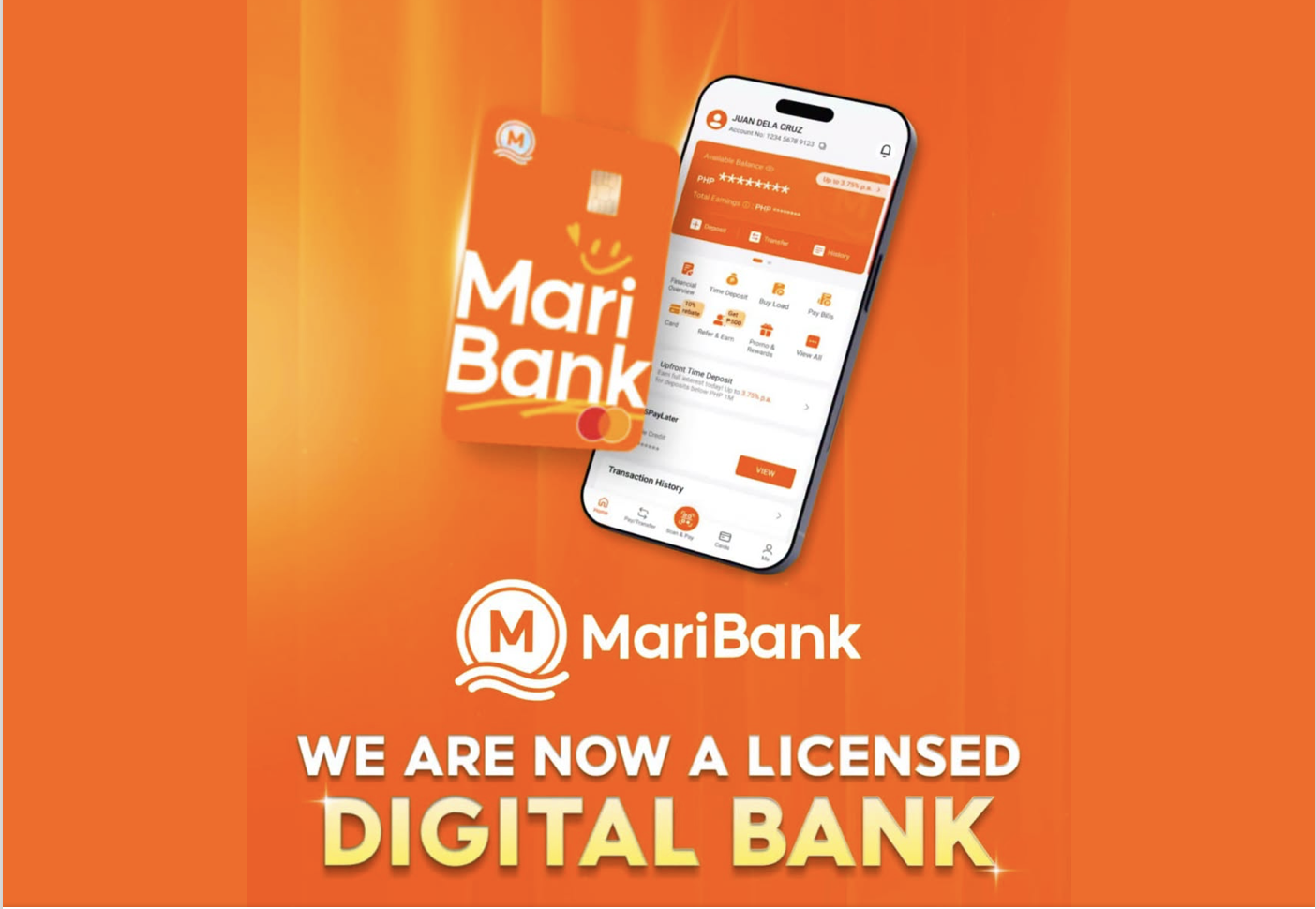
IMAGE CREDIT: Maribank Philippines
MariBank’s approval is notable because the institution did not enter the financial system as an entirely new bank.
Instead, it upgraded an existing rural banking license, allowing the regulator to evaluate its ownership, management, capital position, technology, and business model before authorizing the conversion.
The BSP reopened applications for digital bank licenses after lifting its moratorium, while maintaining a cap of 10 digital banks.
The regulator has said it would assess applicants based on their value proposition and ability to advance financial inclusion, rather than simply increasing the number of mobile banking applications.
The BSP’s updated directory of banks now reflects a market with three remaining slots under the current ceiling. However, an available slot does not guarantee approval.
Applicants still need to demonstrate viable operations, fit-and-proper owners and officers, strong governance, and the capacity to serve customers beyond major urban centers.
Competition shifts toward everyday banking
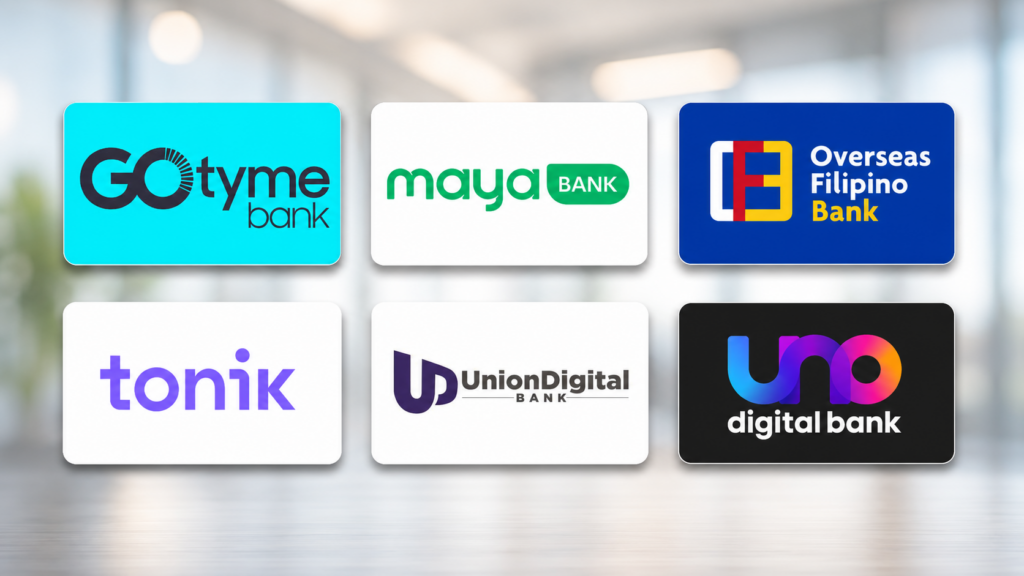
The entry of a seventh player could intensify competition in deposits, payments, credit, and merchant services.
High promotional savings rates helped digital banks attract early users, but long-term growth will depend on whether customers use their accounts for salaries, bill payments, purchases, borrowing, and other recurring financial needs.
For MariBank, the transition also raises expectations.
A digital bank is expected to operate primarily through electronic channels while maintaining safeguards comparable to those of established banks. That includes reliable customer verification, cybersecurity, fraud monitoring, liquidity management, and accessible complaint-handling mechanisms.
The Philippines initially limited the market to six operators before the BSP raised the cap to 10 digital banks to support financial inclusion and digital transformation.
MariBank’s approval shows that the next phase of digital banking will not be measured solely by new licenses.
The more important test will be whether additional players can build sustainable businesses while reaching customers who remain underserved by traditional bank branches.