
Open finance in the Philippines is emerging as one of the next major developments in the country’s digital financial ecosystem.
As more Filipinos use digital banks, e-wallets, and online lending platforms, open finance could make financial services more connected by allowing customers to securely share their financial data with accredited providers, subject to their consent.
This could speed up loan applications, improve credit assessments, simplify account aggregation, and support more personalized financial products.
Consumers may also benefit from budgeting tools that consolidate balances across multiple banks and e-wallets into a single platform.
For financial institutions and fintech companies, open finance creates opportunities to develop new products while encouraging greater competition and innovation across the industry.
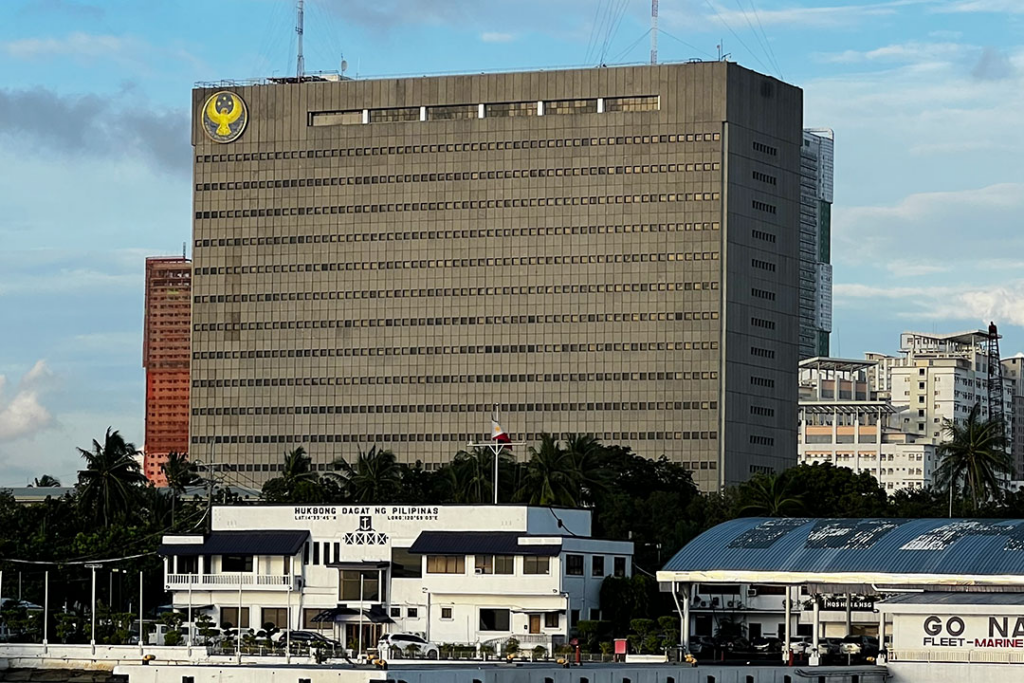
Building consumer trust through privacy and consent
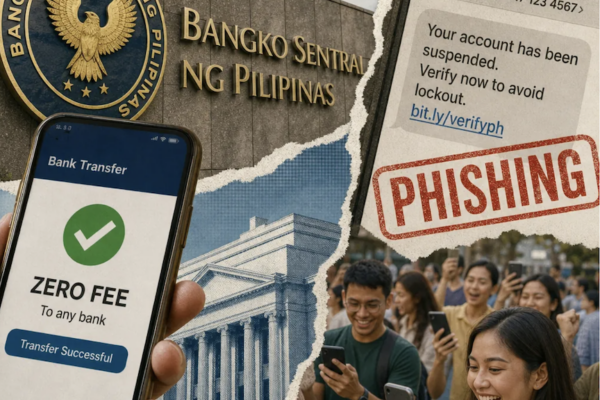
While the benefits are promising, open finance also raises important questions about data privacy and consumer protection. Many Filipinos remain cautious about sharing financial information, particularly as digital fraud and online scams continue to evolve.
The Bangko Sentral ng Pilipinas (BSP) emphasizes that customers remain in control of their financial data.
Information can only be shared with authorized institutions after obtaining the customer’s informed consent.
Participating organizations are also expected to implement robust cybersecurity measures and comply with data privacy regulations to safeguard consumer information.
Public awareness and financial literacy will also play an important role in helping consumers understand when, how, and with whom they are sharing their data.
A new chapter for digital banking

Open finance has the potential to reshape how Filipinos interact with financial services — not by replacing banks or fintech platforms, but by making them work better together.
If implemented effectively, it could create a more connected financial ecosystem where consumers can move their data as easily as they move their money, unlocking greater choice and more relevant financial solutions.
For businesses, the shift could also encourage greater collaboration across the financial sector.
Banks, fintech firms, insurers, and other regulated providers would have more opportunities to develop services that respond to customers’ evolving needs, from smarter financial planning tools to more seamless digital experiences.
As competition increasingly centers on customer experience rather than simply expanding product offerings, institutions that can use shared data responsibly and transparently may be better positioned to build lasting relationships with their customers.

Whether that vision becomes reality, however, will depend on more than technology alone.
Building public confidence, maintaining strong governance, and ensuring that consumers understand the value—and the responsibility—of sharing their financial data will be essential.
As the Philippines enters the next phase of digital finance, the success of open finance will ultimately be measured not by the volume of data shared, but by whether it creates a financial ecosystem that is more inclusive, more innovative, and, above all, more trusted by the people it is designed to serve.
The BSP emphasizes that customers remain in control of their financial data. Information can only be shared with authorized institutions after obtaining the customer’s informed consent. Participating organizations are also expected to implement strong cybersecurity measures and comply with data privacy regulations to safeguard consumer information.
Public awareness and financial literacy will also play an important role in helping consumers understand when, how, and with whom they are sharing their data.