


Metrobank is turning the spotlight on one of the Philippines’ most deeply rooted cultural values in the latest installment of its Moneygurado docuseries, “The Price of Hiya: Why Filipinos Fear Talking About Money.”
Featuring historian Prof. Xiao Chua, the third episode examines how hiya continues to shape the way Filipinos talk about—or avoid talking about—money, influencing everything from discussing salaries and debt to seeking financial advice and planning for the future.
The documentary forms part of Metrobank’s broader Moneygurado initiative, which seeks to make financial literacy more relatable by connecting money management with everyday Filipino experiences, cultural values, and real-life stories.
Rather than focusing solely on budgeting techniques or financial products, the series encourages viewers to understand the beliefs and behaviors that influence their financial decisions.
“Financial decisions are shaped not only by income but also by the values, experiences, and beliefs we carry with us,” said Digs Dimagiba, Chief Marketing Officer at Metrobank.
“Through Moneygurado, we hope to encourage more open conversations about money by helping Filipinos recognize the longstanding values and norms that shape their everyday financial choices. Greater awareness is often the first step toward making more intentional financial decisions.”
Why hiya still matters
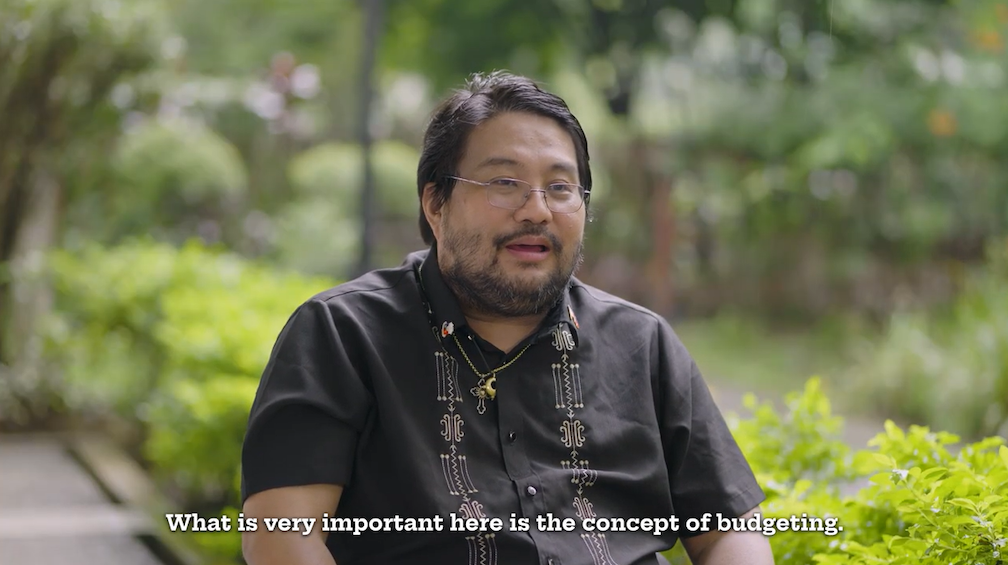
Prof. Xiao Chua discusses how hiya shapes the way Filipinos talk about money.
In “The Price of Hiya: Why Filipinos Fear Talking About Money,“ Chua traces the historical roots of hiya, explaining that the concept has long been associated with dignity, honor, and respect rather than simply shame.
The episode explores how these cultural values continue to influence financial behavior today. Many Filipinos, for instance, hesitate to discuss debt, negotiate financial arrangements, admit money problems, or even talk openly about savings and long-term financial goals.
While these behaviors often stem from respect and consideration for others, the documentary suggests they can also discourage people from seeking financial guidance, preparing for unexpected challenges, or developing healthier money habits.
Instead of treating money as a taboo subject, the episode encourages viewers to see financial conversations as opportunities to strengthen family relationships, build confidence, and make more informed financial decisions.
Financial mindfulness through Filipino stories
Launched earlier this year, Moneygurado reimagines financial education by using storytelling instead of traditional financial advice.
The docuseries explores how some familiar Filipino values — including resilience, utang na loob, hiya, and even delayed gratification — shape the way people earn, spend, borrow, and save.
Previous episodes examined how resilience influences financial preparedness and how cultural perceptions of debt affect borrowing decisions. The latest installment deepens the conversation by looking at the cost of remaining silent about money and why breaking that silence is an important step toward financial mindfulness.
By grounding financial concepts in Filipino culture and lived experiences, Metrobank hopes to help more Filipinos shift from reactive financial habits to more intentional and informed decision-making.
The full Moneygurado docuseries is available through Metrobank’s Earnest platform.