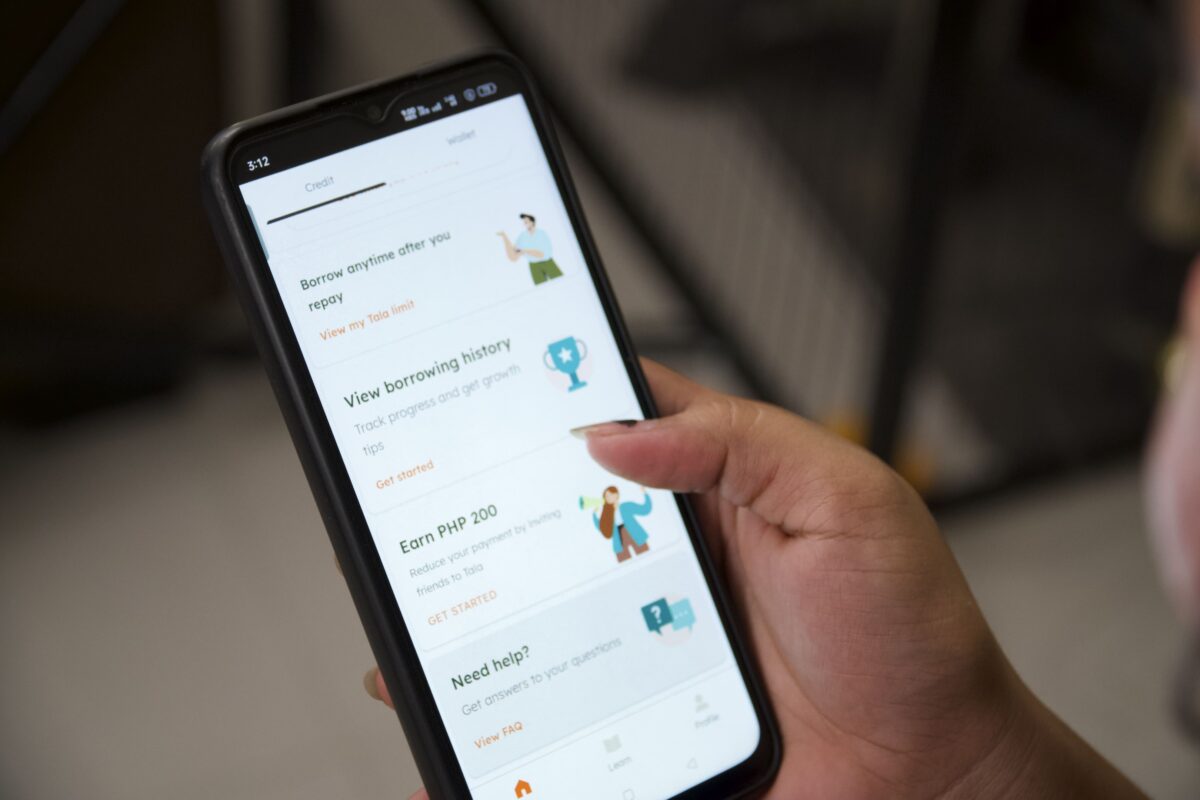
As regulators continue tightening oversight of the country’s digital lending industry, Tala Philippines is placing greater emphasis on what happens after a loan is approved—not just how quickly borrowers receive one.
The digital lender recently highlighted its “Debt with Dignity“ initiative, an advocacy that promotes transparent lending, respectful debt collection, and stronger consumer protection as online credit becomes more accessible to Filipinos.
The effort comes at a time when authorities are stepping up action against abusive lending practices that have long plagued the industry.
While licensed digital lenders have helped expand access to formal credit, reports of harassment, public shaming, and unauthorized collection tactics by illegal operators have continued to undermine public confidence in online borrowing.
For Tala, earning that trust requires more than simply approving loans.
“Democratized access and consumer protection must go hand in hand to achieve true financial inclusion,” said Moritz Gastl, President and General Manager of Tala Philippines.
“At Tala, we prioritize trust by ensuring that our customers are treated with dignity throughout their credit journey.”
Transparency before the first loan
Tala said one way it builds trust is by making sure borrowers understand exactly what they are signing up for before accepting a loan.
Interest rates, repayment schedules, due dates, and fees are disclosed upfront, while customers can choose payment dates that better match their salary cycle or business cash flow.
The company also pointed to findings from a 2025 study by research firm 60 Decibels, which found that 99% of Tala customers surveyed said they did not encounter hidden or unexpected charges.
Another feature, Grow with Tala, allows eligible borrowers to see guaranteed credit limit increases before their current loan becomes due, giving them greater visibility into their available credit and helping them plan ahead.
Distancing itself from abusive lenders

IMAGE CREDIT: Tala
For many Filipinos, digital lending still carries a negative reputation because of experiences with unlicensed operators that resort to intimidation or harassment during collections.
Tala said its collection practices are designed to avoid those issues by protecting customer privacy and requiring respectful communication throughout the repayment process.
The company shared the experience of one borrower who said she stopped using online lenders after being threatened by an illegal lending operator. She later returned to digital credit after finding Tala’s approach more transparent and respectful.
While individual experiences vary, Tala said stories like hers reinforce why ethical collection practices remain an important part of responsible lending.
Working with authorities
Consumer protection also extends beyond lending and collections.
Tala disclosed that it has worked with the National Bureau of Investigation (NBI) in filing cases against more than 70 individuals accused of posing as “Tala agents” to scam borrowers.
The company said it also continues to collaborate with the Consumer Lending Association of the Philippines (CLAP) and regulators on initiatives aimed at strengthening consumer safeguards and promoting responsible lending practices across the industry.
Financial inclusion requires trust

IMAGE CREDIT: Freepik
Digital lending has become an important source of credit for many Filipinos who have little or no formal credit history, allowing them to access financing without collateral or lengthy paperwork.
But as the industry matures, companies are increasingly expected to demonstrate not only how they expand access to credit, but also how they protect customers throughout the borrowing process.
For Tala, that means treating responsible lending as more than a regulatory requirement.
The company said transparency, fair collections, and fraud prevention are essential to building long-term trust in digital finance — an area that is likely to receive even greater attention as consumer protection standards continue to evolve in the Philippines.