

Digital finance has made life easier for millions of Filipinos. Money can now be sent in seconds, bills paid through mobile apps, and savings stored in digital wallets without stepping inside a bank.
But behind the convenience is a growing list of small fees that many users barely notice — charges that quietly chip away at their money over time.

From InstaPay transfer fees to cash-out deductions and bill-payment markups, these costs are becoming an unavoidable part of the country’s growing digital payments ecosystem.
A recent Maya article warned consumers to pay closer attention to the “hidden costs” attached to financial products and services, noting that seemingly small fees can accumulate and reduce the actual value users get from digital finance tools.
Transfer fees add up
One of the most common frustrations among users is the cost of transferring money between banks and e-wallets.
While some platforms still offer occasional free transfers, many financial institutions now charge around ₱10 to ₱25 per InstaPay transaction.
For Filipinos who frequently move funds between apps — whether to pay bills, send allowance, or transfer savings — the charges can quickly pile up.
A worker sending money five times a week through a ₱15 transfer fee could spend roughly ₱300 monthly on transfers alone.
The costs are especially noticeable among users who maintain multiple digital accounts to take advantage of higher interest rates, cashback offers, or promotional perks.
“Free” cash-ins often come with limits
Cash-in services are another area where users may encounter hidden charges.
Many e-wallets advertise free cash-ins, but only through selected partner channels or within monthly limits. Once users exceed those limits, convenience fees start applying.
Cash-out charges are even more common.
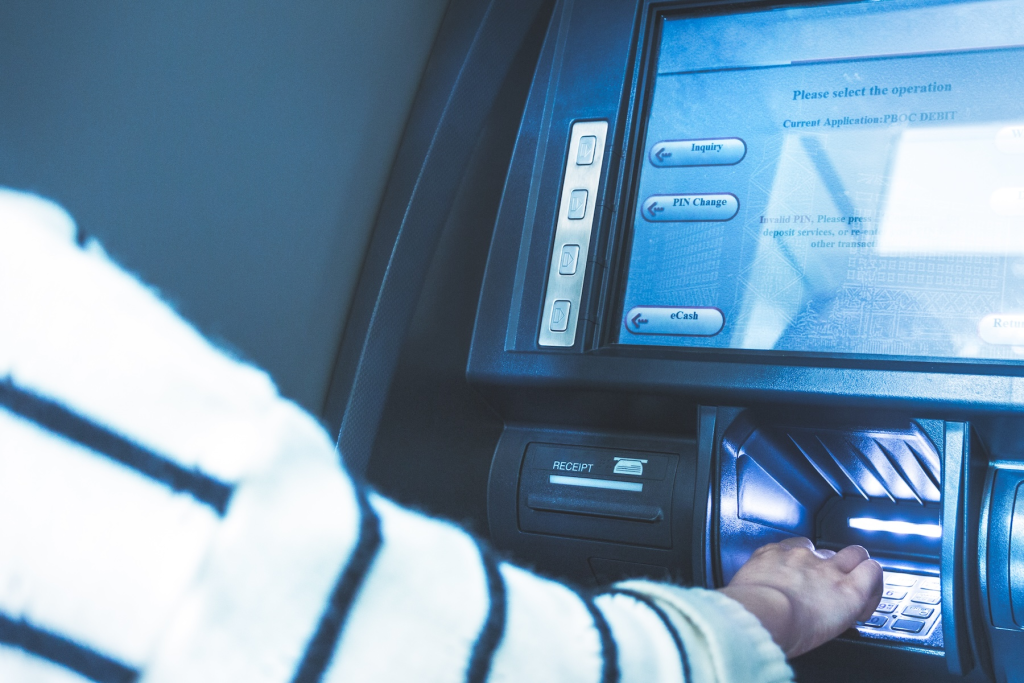
Some over-the-counter withdrawal partners deduct service fees, while ATM withdrawals linked to digital wallets can carry additional charges. Frequent withdrawals may result in users losing a noticeable portion of their funds over time.
For gig workers and small entrepreneurs who rely heavily on digital platforms, repeated cash-out fees can directly affect daily earnings.
Bill-payment markups
Digital bill payments are often promoted as faster and more convenient than paying over the counter. However, some apps impose additional convenience fees depending on the biller.
These charges may only appear during the final payment step, catching users by surprise.
A small service fee may seem manageable for a single transaction, but combined across electricity, internet, water, and other recurring bills, the added costs become more significant over several months.
Financial experts say the problem is not necessarily the existence of fees, but the lack of transparency around them.
Dormant account charges
Dormancy fees are another overlooked expense in digital finance.
Some banks and financial platforms impose charges when accounts remain inactive for a prolonged period. Users who opened accounts for temporary promos, emergency savings, or side income may forget about them until balances begin shrinking because of inactivity deductions.
This becomes more likely as Filipinos increasingly juggle multiple e-wallets and digital bank accounts at the same time.
The real cost of convenience
Digital payments continue to expand rapidly in the Philippines, supported by growing smartphone usage and the push toward a cash-lite economy.
But as digital finance becomes more embedded in everyday life, consumer advocates say users should pay closer attention to the actual cost of convenience.

Maya noted that understanding the fees attached to financial products helps consumers make smarter decisions and avoid unnecessary expenses.
Promotions advertising “free transfers” or “zero fees” may also come with conditions, spending requirements, or limited-time offers that are easy to overlook.
Small fees, big impact
For wealthier consumers, occasional transaction fees may barely matter. But for lower-income Filipinos, students, freelancers, and minimum wage earners, repeated deductions can take a real toll.
A user regularly transferring money, paying bills online, and cashing out earnings could unknowingly lose hundreds of pesos monthly through digital finance charges alone.
Consumer groups advise users to regularly review transaction histories, compare fees across platforms, and consolidate transfers whenever possible to minimize costs.
As digital finance platforms compete for users, transparency around fees may become increasingly important.
Because for many Filipinos, the biggest drain on their digital money may not be one major expense — but the small charges they hardly notice.