


Two of the country’s leading technology organizations are calling on the leadership of the Department of Information and Communications Technology (DICT) to resolve internal issues and ensure the continuity of critical digital government programs relied upon by millions of Filipinos.
The National Association of Data Protection Officers of the Philippines (NADPOP) and the Philippine Computer Emergency Response Team (PH-CERT) issued the appeal following recent public discussions and media reports pointing to organizational tensions and budgetary constraints within the DICT.
These issues have allegedly affected operations of the eGovPH platform and other digital government services, including reports of temporary disruptions to several citizen-facing systems.
DICT unity seen as crucial for progress
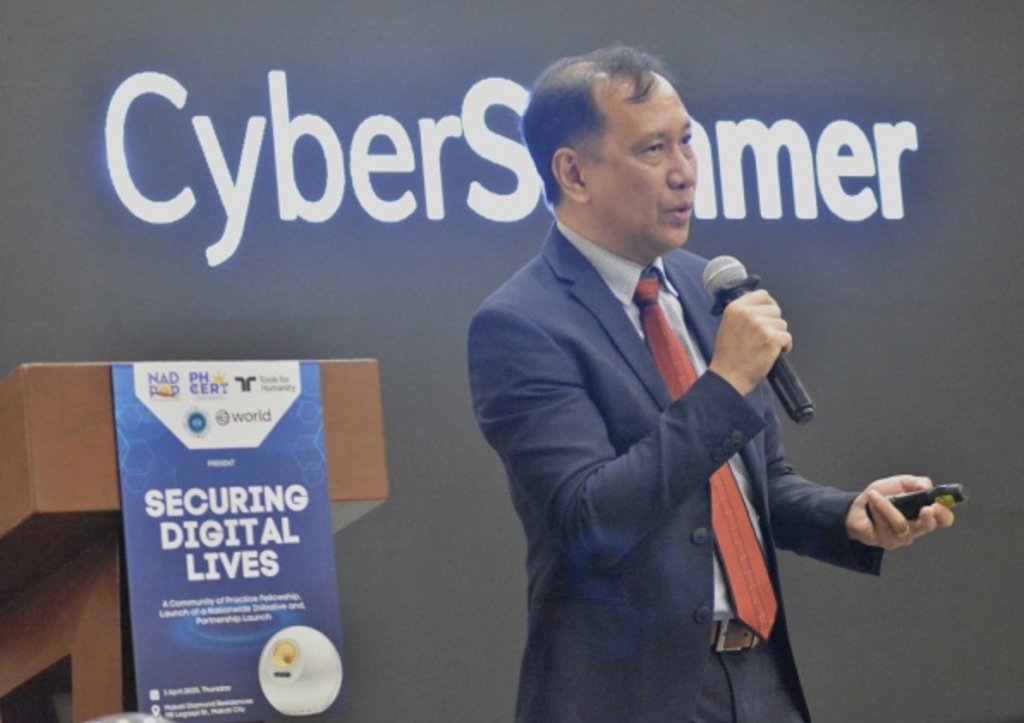
Samuel V. Jacoba, founding president of NADPOP and SDLC
As reported in TechTravelMonitor, the groups warned that instability within the DICT could have broader implications for the country’s digital transformation efforts, particularly as the Philippines pushes to strengthen digital public infrastructure, expand e-government services, and improve competitiveness in the global digital economy.
“Secretary Henry Aguda and Undersecretary David Almirol Jr. both come from the information technology industry. We know them personally and recognize their capabilities and contributions,” said Sam Jacoba, founding president of NADPOP and vice president of PH-CERT.
“At this critical stage of the country’s digital transformation journey, transparent collaboration, institutional stability, and good governance are essential. Any prolonged internal division within a key agency like the DICT can affect not only internal operations, but also public trust, service delivery, and the country’s digital transformation momentum,” he added.
Jacoba said any delays or uncertainty surrounding major platforms such as eGovPH could directly affect Filipinos who increasingly depend on digital government systems for accessibility, efficiency, and transparency in public service delivery.
Tech groups back dialogue to sustain transformation

PH-CERT founder Lito Averia, one of the advocates involved in congressional deliberations that led to the creation of the DICT, emphasized the need for constructive engagement across the technology sector.
“If needed, the country’s professional IT communities and communities of practice stand ready to help facilitate dialogue and support efforts toward institutional alignment and continuity,” Averia said.
“When the DICT was created, the vision was to accelerate national development through innovation, digital governance, and technology-enabled public service. That vision remains just as important today.”
Carlos Titus Manuel, founding chair of NADPOP, said maintaining confidence in the institutions leading the country’s digital agenda is critical as digital adoption accelerates across both the public and private sectors.
“The Filipino people expect government institutions to remain focused on delivering reliable, trustworthy, and future-ready public services,” Manuel said.
He added that the DICT’s leadership has an opportunity to reinforce the agency’s role as a key pillar of innovation, digital governance, and public trust.
Through their joint movement CyberBayan, NADPOP and PH-CERT reiterated their commitment to supporting initiatives focused on cybersecurity, data privacy, digital trust, artificial intelligence governance, and cyber resilience.
The groups said sustained collaboration between government and the technology sector will be essential to ensuring that the Philippines’ digital transformation initiatives continue to deliver meaningful benefits for citizens and businesses alike.