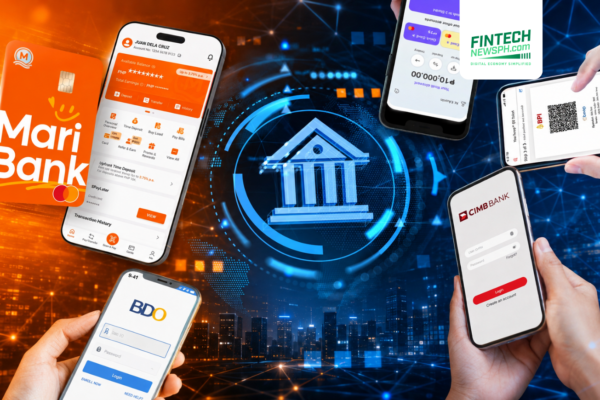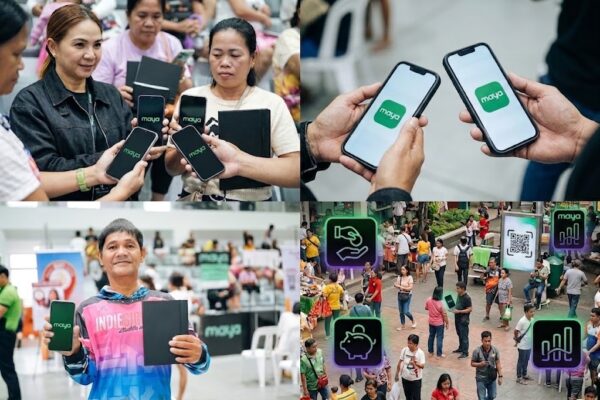


Digital fatigue is emerging in the Philippines as digital finance adoption accelerates. While access to financial tools has never been easier, managing them is becoming increasingly complex.
From e-wallets like GCash and Maya to a growing list of digital banks such as GoTyme, Tonik, and UNO, many Filipinos now maintain multiple finance apps on a single device.
What started as a push for financial inclusion is gradually evolving into a fragmented user experience.
From convenience to complexity
In the early stages of fintech growth, having one or two apps offered clear advantages. Users could send money, pay bills, and store funds without needing to visit a bank branch.
Today, however, the landscape looks very different. A typical user might hold funds in several platforms to take advantage of varying interest rates, cashback offers, and exclusive features. Some apps are used for daily transactions, others for savings, and a few for credit or investments.
This multi-app behavior reflects a more financially aware user base, but it also introduces friction.
Tracking balances across platforms, managing multiple logins, and remembering where funds are stored can become overwhelming over time.
The rise of “rate chasing” behavior

IMAGE CREDIT: Dreamstime
One emerging pattern is the tendency of users to move money frequently between platforms in search of better returns. Digital banks often compete through promotional interest rates, encouraging users to shift deposits to maximize earnings.
While this benefits users in the short term, it also contributes to decision fatigue.
Constantly monitoring rates and transferring funds requires effort and attention, turning what was meant to simplify finances into a more active, and sometimes stressful, process.
Security and mental load
Beyond convenience, the proliferation of apps also raises concerns around security and cognitive load. Each additional platform represents another account to secure, another password to manage, and another potential point of vulnerability.
For users, especially those less familiar with digital tools, this can create anxiety. The more accounts they maintain, the harder it becomes to monitor activity and detect suspicious transactions in real time.
At the same time, fintech platforms continue to add features, expanding beyond payments into savings, lending, insurance, and investments. While this evolution aims to create all-in-one ecosystems, it can also make apps feel crowded and harder to navigate.
Is consolidation the next phase?
As the market matures, the question is whether users will begin consolidating their financial activities into fewer platforms. Some fintech players are already positioning themselves as “super apps,” aiming to reduce the need for multiple services.
However, trust, reliability, and user experience will likely determine which platforms users choose to keep. Frequent downtime, unclear fees, or poor customer support could push users to diversify rather than consolidate.
A new challenge for financial inclusion

IMAGE CREDIT: Freepik
The Philippines has made significant progress in expanding access to digital financial services. But as adoption deepens, the challenge is no longer just getting users onboard.
It is ensuring that these tools remain simple, manageable, and aligned with how people actually use money.
Digital fatigue may not yet be a headline issue, but it signals a shift in the fintech conversation. Access alone is no longer enough. The next phase will be about reducing complexity and helping users regain control over their financial lives.