
Cashless adoption is no longer a distant ambition for the Philippines — it is becoming a measurable reality.
Driven by the nationwide rollout of QRPH and backed by the Bangko Sentral ng Pilipinas (BSP), digital payments are rapidly reshaping how Filipinos transact across transport, retail, and micro, small, and medium enterprises (MSMEs).
But as adoption scales, the conversation is shifting. The focus is no longer just on getting users and merchants onboard. Instead, the next phase of this transformation centers on making the system seamless, secure, and consistent nationwide.
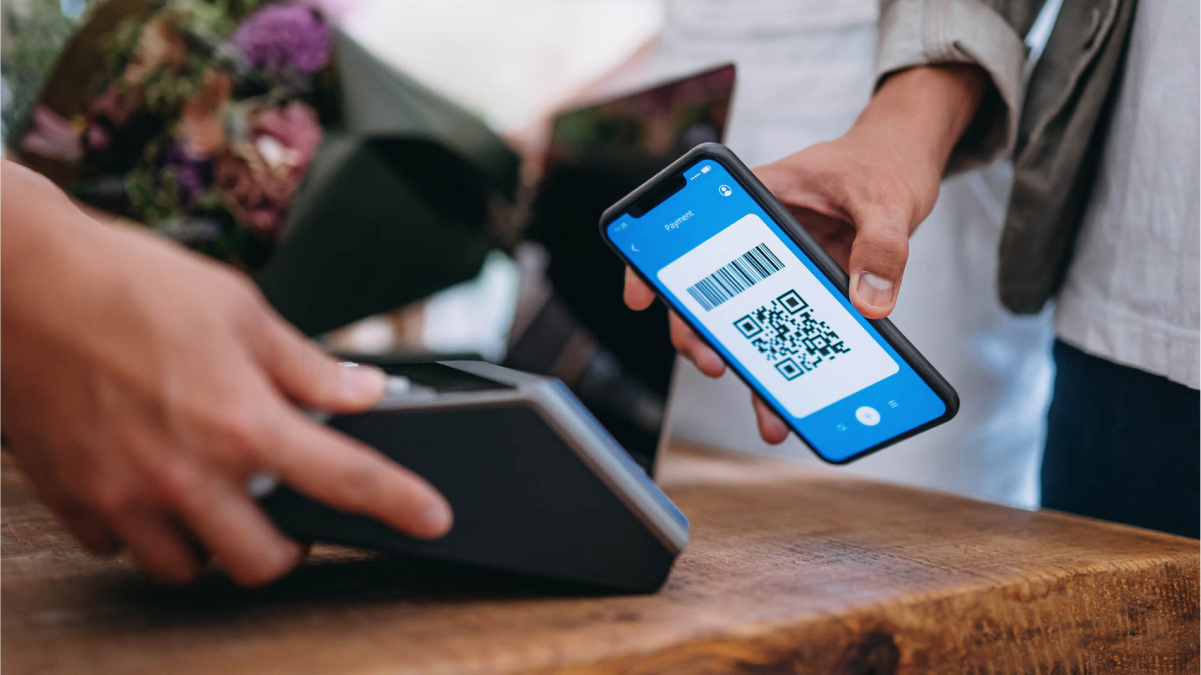
IMAGE CREDIT: Brankas (blog)
QRPH adoption moves beyond early growth
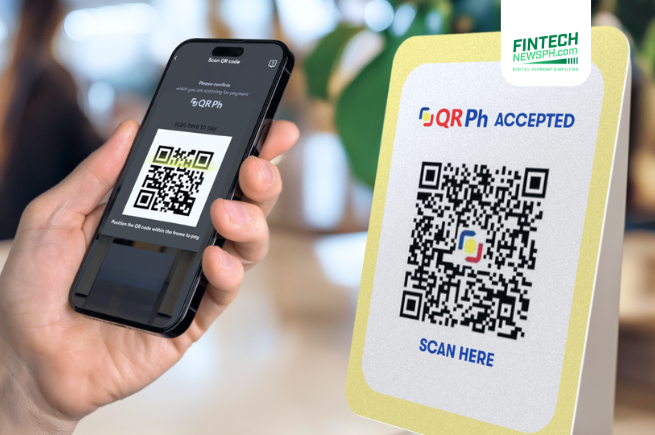
The Philippines’ cashless transformation has been fueled in large part by QRPH, the national QR code standard that enables interoperable payments between banks and e-wallets. From sari-sari stores to public transportation, QRPH is steadily becoming a common fixture in everyday transactions.
Recent data from the BSP highlights a strong upward trend in digital payment usage, with QR-based transactions playing a key role in expanding financial inclusion. For MSMEs, QRPH removes the need for expensive point-of-sale systems, lowering barriers to entry into digital finance.
However, rapid adoption has also exposed uneven implementation. While urban centers show strong uptake, rural and underserved areas continue to lag, signaling that progress is being made — but not yet evenly distributed.
Interoperability becomes the next battleground
As QRPH scales, interoperability is emerging as a defining factor in sustaining momentum. The promise of QRPH lies in its ability to allow any user to pay any merchant, regardless of provider — but real-world execution remains a work in progress.
Fragmentation across platforms, inconsistent user experiences, and occasional transaction failures highlight the growing pains of a system expanding at speed. Ensuring that all participating institutions adhere to unified standards is critical to maintaining trust in the ecosystem.
At this stage, progress depends less on onboarding and more on optimization. A truly interoperable system will determine whether digital payments can fully replace cash in everyday transactions.
Fraud risks and compliance pressures rise

With scale comes risk. The Philippines’ cashless transformation is also attracting increased attention from fraudsters, making security a top priority for regulators and financial institutions. QR-based scams, phishing attempts, and social engineering tactics are evolving alongside adoption.
The BSP continues to push for stronger safeguards, including enhanced authentication protocols and consumer awareness campaigns. At the same time, merchant compliance is becoming increasingly critical. Proper QR code display, transaction verification practices, and adherence to standards are essential to minimizing vulnerabilities.
For MSMEs, balancing ease of use with compliance requirements presents a challenge. Yet without consistent safeguards, momentum could face significant setbacks.
From adoption to maturity
The Philippines is firmly on its path toward a cashless future, but the next phase will define its long-term success. QRPH has proven that scale is achievable — what comes next is ensuring that the system is reliable, secure, and inclusive.
Bridging interoperability gaps, strengthening fraud prevention, and enforcing consistent compliance will determine whether digital payments can truly become the default. The leap is already happening — now the challenge is ensuring it leads to lasting progress.