
Moneygurado is redefining how Filipinos approach money, as Metrobank launches a campaign and docuseries that turns financial literacy into a relatable, everyday conversation.
Rooted in real-life experiences, Metrobank’s Moneygurado blends financial mindfulness with cultural understanding — helping Filipinos shift from reactive habits to intentional decision-making.
As economic pressures continue to rise, the initiative highlights a timely truth: when it comes to money, being “sigurado” matters more than ever.
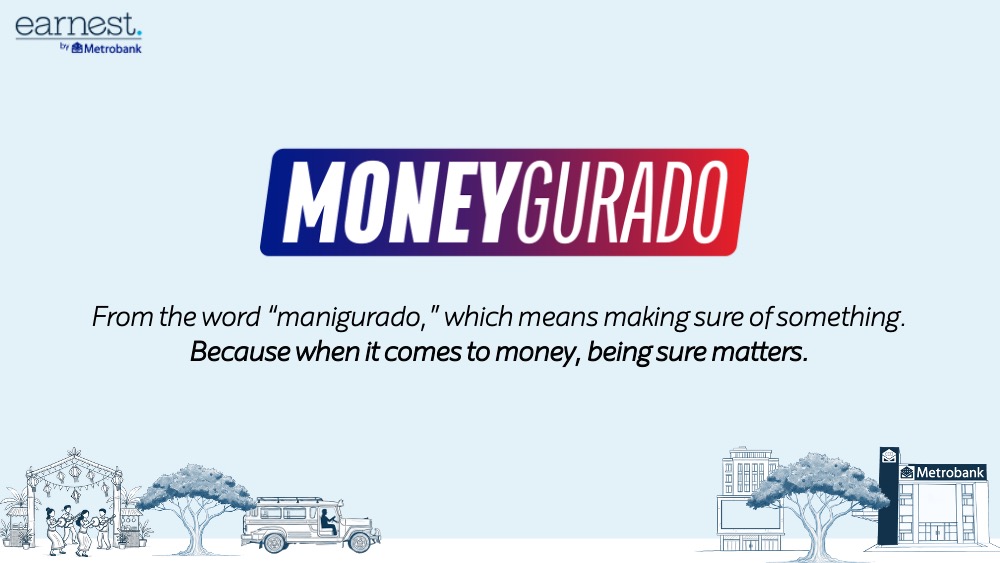
Moneygurado turns stories into financial lessons
Moneygurado stands out by moving away from traditional financial advice and instead starting with stories. Rather than presenting rules or rigid frameworks, the campaign explores how Filipinos actually think and feel about money — through lived experiences shaped by culture, family, and social expectations.
As Metrobank Chief Marketing Officer Digs Dimagiba emphasized, “Moneygurado is about helping Filipinos become more intentional with their money by understanding the ‘why’ behind their decisions.” This approach makes financial guidance more relatable and actionable, especially in a country where money conversations are often avoided.

At its core, Moneygurado recognizes that financial behavior does not begin in banks or apps — t begins at home, in everyday decisions, and in shared cultural values. By reflecting these realities, the campaign bridges the gap between knowing what to do and actually doing it.
Cultural realities shape financial behavior
A key strength of Moneygurado lies in its deep dive into Filipino culture. The docuseries explores how values like hiya, pakikisama, utang na loob, and katatagan influence spending, saving, and borrowing habits.
These values, while integral to Filipino identity, can also lead to financial challenges. For instance, the pressure to maintain social harmony may result in overspending, while the stigma around discussing money can prevent individuals from seeking help or planning ahead.
“Hindi lang ito tungkol sa pera. Tungkol ito sa pagiging Pilipino,” one insight from the series highlights. Moneygurado reframes these behaviors — not to criticize them, but to encourage awareness and better decision-making.
By unpacking these cultural influences, Moneygurado helps Filipinos understand that financial mindfulness starts with self-awareness. It encourages a shift from “bahala na” to “sigurado” — from uncertainty to control.
From survival to intentional financial resilience
The Moneygurado docuseries begins with a familiar Filipino narrative, “resilience,” but quickly challenges what that truly means.
In the first episode, “Kapit Lang: The Filipino Way of Surviving,” entrepreneur Audrey Cruz shares her journey of rebuilding through crisis, highlighting a powerful truth: survival alone is not enough without preparation. Real resilience, as Moneygurado frames it, starts before disruption — through habits like saving, planning, and protecting what you have.
But Moneygurado goes beyond survival stories. In “Utang sa Pelikula,” Jose Javier Reyes examines how Filipino cinema has shaped perceptions of debt — as something rooted in shame or sacrifice.
The episode reframes this thinking, emphasizing that debt itself is not the problem, but how it is understood and managed. It challenges Filipinos to see borrowing as a tool that, when used wisely, can support growth rather than hinder it.

The conversation deepens in “The Price of Hiya,” where Xiao Chua explores how cultural values like hiya and pakikisama have made money a sensitive, often avoided topic.
This silence, the episode suggests, comes at a cost — leading to overspending, financial strain, and missed opportunities for better planning. Breaking that silence becomes the first step toward financial mindfulness.
Finally, “Alkansya: The Filipino Art of Waiting,” featuring Michelline Suarez, brings the discussion back to the roots of Filipino saving habits. The humble alkansya is reimagined not just as a childhood symbol, but as a reflection of patience, discipline, and long-term thinking — values that remain essential in today’s financial landscape.
Together, these stories reinforce the core idea of Moneygurado: financial mindfulness is not built on one-time actions, but on consistent, intentional behavior shaped by both culture and choice.
Supported by practical tools like the “HANDS” framework, having a plan, acting intentionally, nurturing income, defending against risks, and spotting opportunities, the campaign makes financial control feel achievable.

As one key insight from the series underscores, “The worst thing you can do is not to do anything.” Moneygurado ultimately pushes Filipinos to move beyond awareness and into action—because becoming financially secure starts with one deliberate step.
A new mindset for a new financial reality
Moneygurado is more than a campaign — it is a movement toward financial mindfulness grounded in Filipino realities. By combining storytelling, cultural insight, and practical action, Metrobank is helping Filipinos rethink their relationship with money.
In a time of rising costs and economic uncertainty, the message is clear: financial resilience is not just about surviving — it’s about preparing, planning, and taking control. And with Moneygurado, that journey begins with a conversation that finally feels close to home.