


Make sure you understand why banks are tightening rules while fintechs are doubling down, as the digital lending market enters a more disciplined and data-driven phase.
After years of rapid growth fueled by pandemic-era demand and digital adoption, lenders across the Philippines are recalibrating their credit policies amid rising defaults and shifting borrower behavior.
The post-pandemic environment has reshaped risk assumptions. Traditional banks are becoming more cautious, while fintech lenders are refining their models to stay competitive. The result is a lending landscape no longer defined by speed alone, but by sustainability and smarter risk management.
Banks shift to defensive credit strategies
In the years immediately following lockdowns, banks accelerated digital transformation efforts and expanded online loan offerings.
However, as economic pressures mounted and repayment patterns normalized, many institutions began tightening underwriting standards. Higher interest rates, inflationary pressures, and a cautious outlook on consumer spending have prompted banks to re-evaluate borrower risk more conservatively.
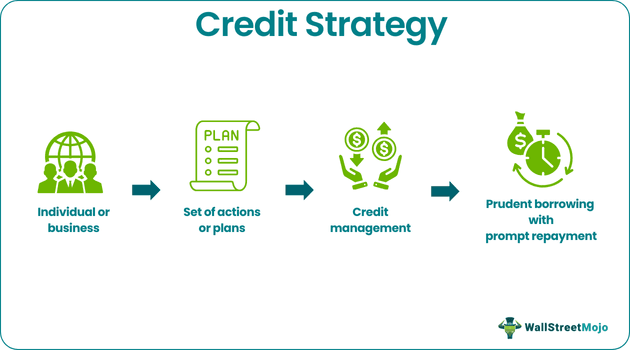
It is important to recognize that this shift is not a retreat from digital lending, but a recalibration. Banks are strengthening documentation requirements, revisiting income verification processes, and increasing scrutiny of unsecured loans. Credit card approvals and personal loans are facing stricter thresholds, particularly for borrowers in vulnerable income segments.
This tightening reflects a broader risk-off approach. With non-performing loan ratios under closer watch, banks are prioritizing portfolio quality over aggressive loan book expansion. Growth remains a goal—but measured and anchored in long-term stability.
Lenders refine scoring models
While banks pull back, fintech lenders are not necessarily slowing down. Instead, they are redesigning their credit scoring frameworks. Fintechs are leveraging alternative data more aggressively — analyzing transaction histories, e-wallet usage, device data, and behavioral patterns to better assess post-pandemic borrowers.

The early boom years of digital lending saw rapid customer acquisition, sometimes at the expense of risk precision. As defaults rose across parts of the industry, fintech firms began investing heavily in machine learning models that can adapt to changing borrower profiles. Real-time data signals now play a greater role in determining loan limits and pricing.
This evolution allows fintech lenders to remain agile. Rather than broadly tightening credit access, many are segmenting borrowers more precisely—offering smaller initial loan amounts, dynamic interest rates, and graduated credit lines that expand with positive repayment behavior.
A more disciplined digital lending market
The divergence between banks and fintechs does not mean they are moving in opposite directions. Both are responding to the same underlying market realities: elevated credit risk, more informed regulators, and consumers with uneven financial recovery.

Regulatory oversight has also matured. Compliance standards for digital lenders are becoming more defined, encouraging transparency in pricing and fair collection practices. This has pushed fintech firms to professionalize operations, aligning more closely with traditional financial institutions in governance and risk management.
At the same time, consumer expectations have evolved. Borrowers now compare loan terms, repayment flexibility, and digital experience. The winners in this next phase of digital lending will likely be those that balance accessibility with responsible risk assessment — whether bank or fintech.
The next chapter for digital lending

The digital lending boom has entered a new chapter — one marked by discipline rather than disruption alone.
Banks are tightening rules to safeguard balance sheets, while fintechs are doubling down on smarter data and adaptive credit models.
The Philippine lending market is not shrinking; it is maturing. As institutions refine policies and technology evolves, sustainable growth — not just rapid expansion — will define the industry’s next wave.