



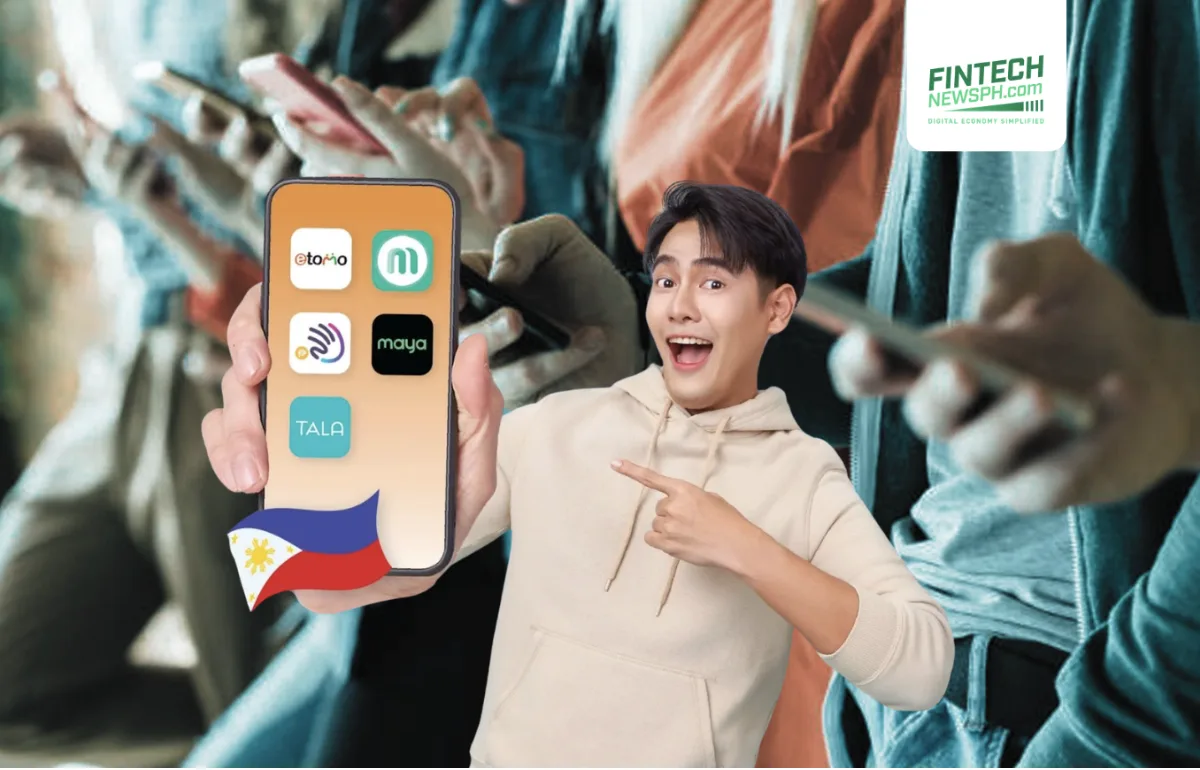
Digital lending platforms are becoming an increasingly important source of credit for Filipinos as rising living costs and stricter bank requirements continue to limit access to traditional financing.
With inflation continuing to pressure household budgets in 2026, more consumers are turning to digital lending apps for faster approvals, smaller loan amounts, and more flexible borrowing options.
The trend reflects a broader shift in how Filipinos access credit, particularly among underbanked consumers, gig workers, and first-time borrowers who often struggle to qualify for bank loans.
Recent consumer credit perception findings from TransUnion showed growing openness among Filipinos toward alternative lending channels, highlighting how digital platforms are helping fill gaps left by conventional financial institutions.
Digital lenders stepping in where banks fall short

IMAGE CREDIT: Freepik
Traditional banks in the Philippines continue to prioritize lower-risk borrowers, often requiring formal employment records, extensive documentation, and established credit histories before approving loans.
For many Filipinos working in the informal economy or gig sector, these requirements remain difficult to meet.
Digital lending apps, however, are using alternative methods to evaluate borrowers. Instead of relying solely on formal credit records, many platforms analyze mobile phone usage, e-wallet transactions, digital payment behavior, and other alternative data points to assess creditworthiness.
This approach allows more consumers to access formal credit for the first time.
The appeal also lies in speed and convenience. Loan applications that traditionally took days or weeks to process can now be completed within minutes through mobile apps, with funds often released on the same day.
As a result, digital lenders are increasingly becoming a practical financial option for consumers facing urgent expenses or short-term cash flow gaps.
Inflation and tighter budgets driving borrowing demand
IMAGE CREDIT: Freepik
The growing popularity of digital lending apps also comes as Filipino households continue to manage rising expenses for food, transportation, utilities, and education.
While demand for credit is increasing, banks have remained cautious amid economic uncertainties and concerns over repayment risks. This has widened the credit gap for consumers seeking smaller and more immediate financing solutions.
Digital lending platforms are helping address this unmet demand by offering short-term loans with lower entry barriers. For many borrowers, especially freelancers, online sellers, and delivery riders, digital lenders provide easier access to credit compared to traditional institutions.
Industry observers note that this shift is also reshaping consumer expectations around financial services. Faster approvals, app-based access, and simplified onboarding are becoming standard expectations among younger and digitally connected borrowers.
Balancing accessibility with responsible lending

As digital lending adoption rises, regulators and industry players are facing growing pressure to strengthen consumer protection and promote responsible lending practices.
Concerns over hidden charges, aggressive collection tactics, and data privacy remain key issues in the sector. In response, regulators have continued tightening oversight of online lending platforms to improve transparency and reduce predatory practices.
At the same time, fintech firms are investing in more sophisticated credit scoring models and financial education initiatives aimed at promoting responsible borrowing behavior.
Consumer trust is expected to play a major role in determining the sector’s long-term growth. Platforms that can combine accessibility with transparency and fair lending practices are likely to see stronger adoption in the years ahead.
Building a more inclusive credit ecosystem
The continued rise of digital lending apps signals a broader transformation in the Philippine financial landscape.
As traditional banks continue focusing on more formal and established borrowers, fintech-driven lending platforms are increasingly serving segments that were previously excluded from formal credit systems.
If supported by stronger regulation, improved financial literacy, and responsible innovation, digital lending platforms could help create a more inclusive and accessible credit ecosystem for millions of Filipinos navigating today’s economic pressures.