


The Philippine economy remains on track for solid growth, underpinned by resilient remittances and a fast-expanding services sector, even as global trade tensions threaten manufacturing and export-facing industries.
This outlook was highlighted by Metrobank’s Chief Economist and Market Strategist, Nicholas Mapa, during his keynote presentation at the CIBI Impact 2025 Summit, an event hosted by CIBI Information, Inc., the country’s first and only local credit bureau.
The summit gathered more than 150 regulators, financial institutions, fintech companies, and industry leaders to address the widening “trust gap” in the Philippine credit ecosystem and its implications for financial inclusion.
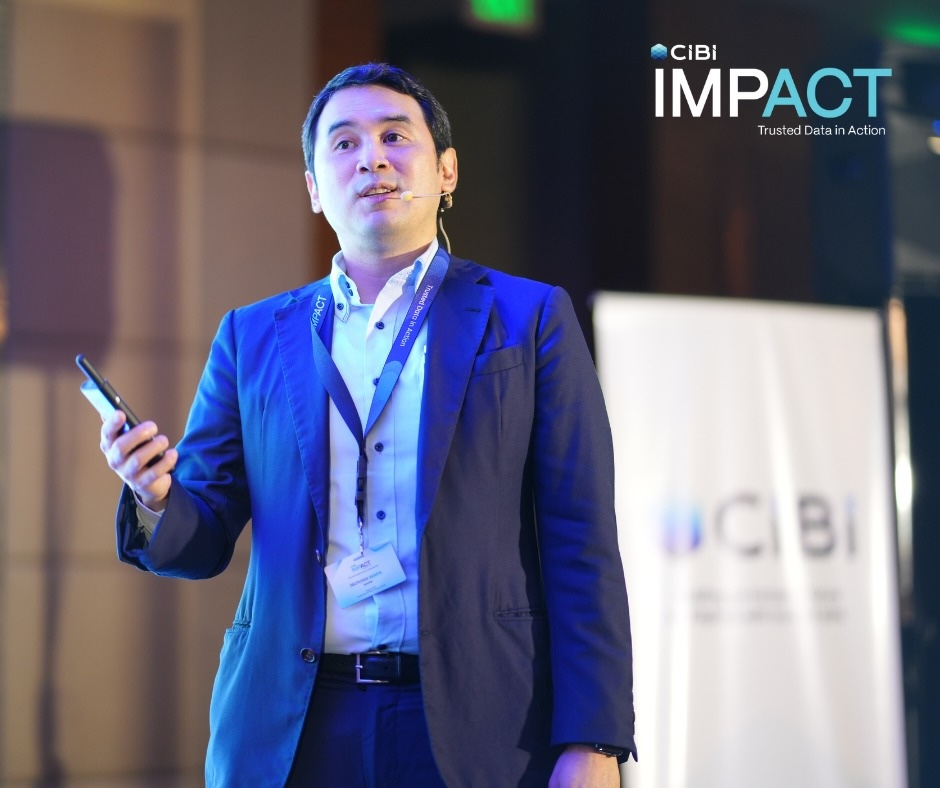
Metrobank Chief Economist and Market Strategist Nicholas Mapa during his keynote presentation
Services and remittances as economic shock absorbers
In his presentation titled “It Takes Two to Tango: Learning to Dance to the Tariff Rhythm,” Mapa outlined the macroeconomic forces shaping the Philippines’ growth trajectory, warning that escalating global trade frictions could weigh on export-oriented sectors — particularly electronics manufacturing.
Mapa pointed to a recent policy move by the United States, which imposed steep tariffs on a large share of Philippine exports. He noted that previously exempt electronics shipments — worth roughly US$6 billion annually — now face heightened uncertainty.
“That’s a lot of exports that could suddenly disappear,” Mapa said, cautioning that prolonged trade disruptions could jeopardize jobs and investment.
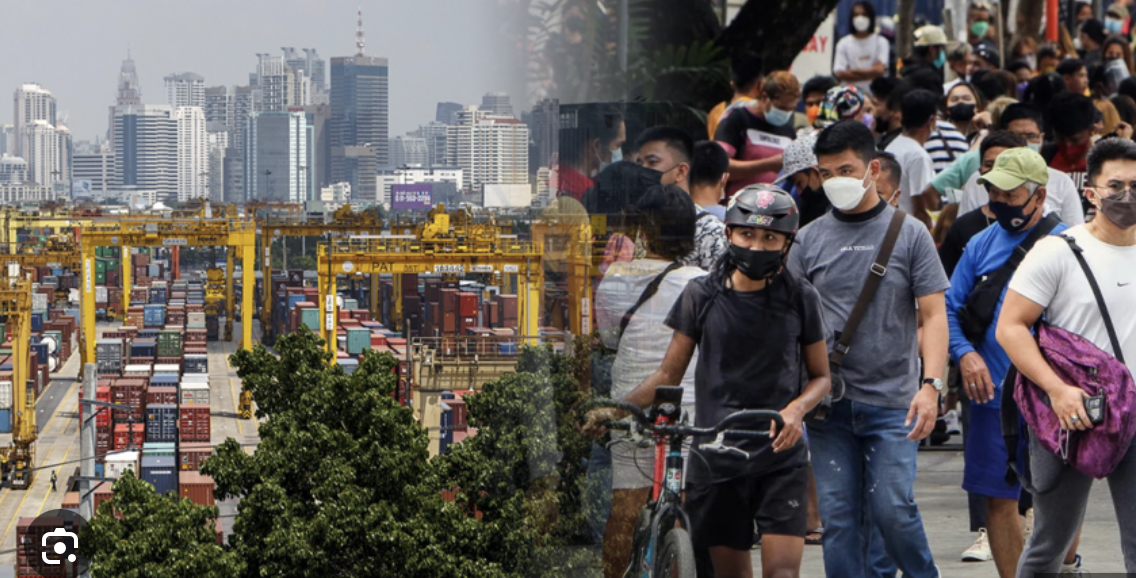
Still, he stressed that the Philippine economy has a built-in “backup plan.”
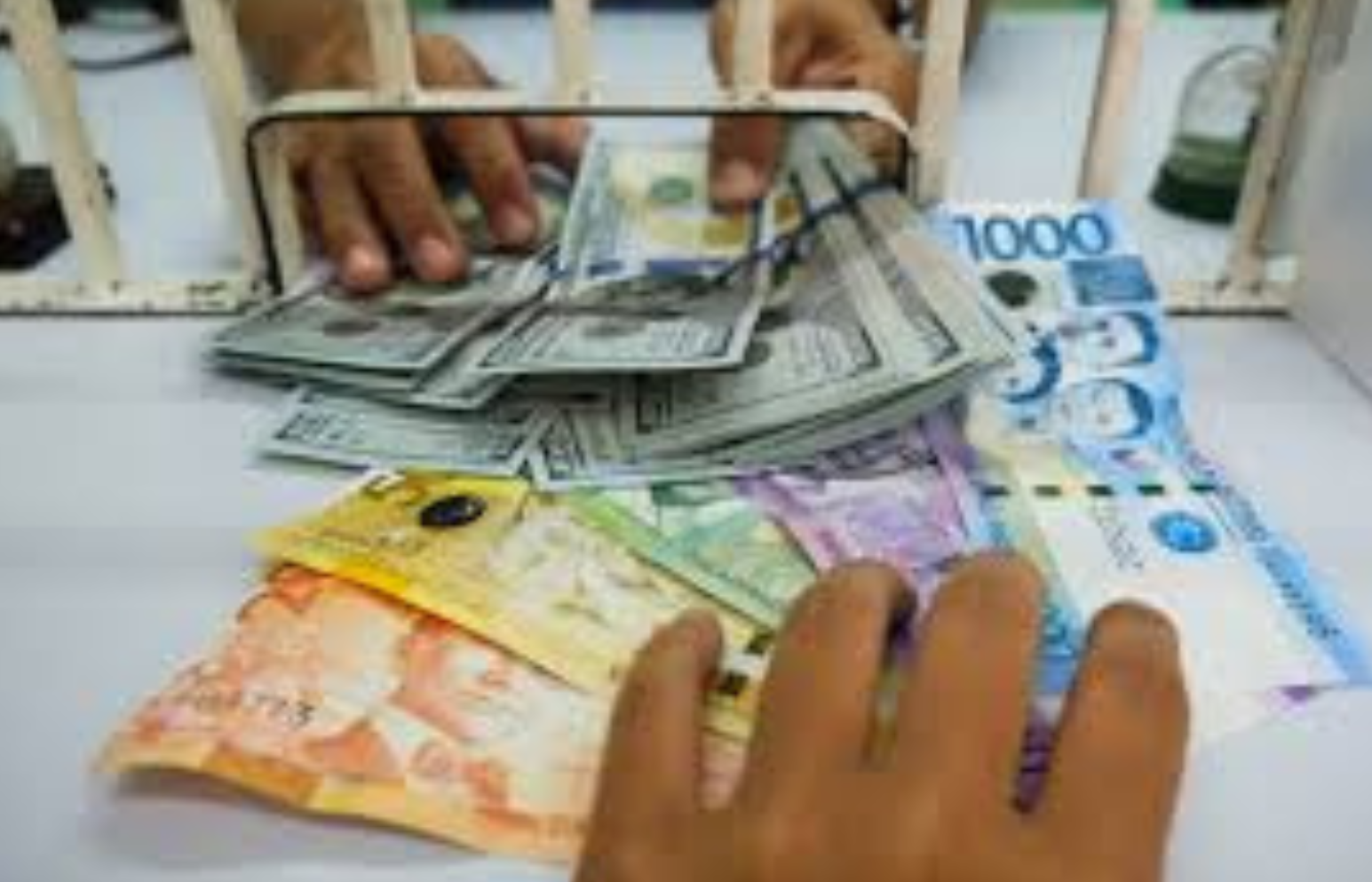
Chief among these are overseas Filipino remittances, which have consistently averaged around US$2.7 billion monthly, even during periods of global crises such as the COVID-19 pandemic. The country’s business process outsourcing (BPO) industry remains another critical stabilizer.
“The main driver of GDP growth is the services sector,” Mapa said, noting that services account for roughly 60% of the Philippine economy. He projects GDP growth of around 5.5% to 5.6% this year, supported by recovering agriculture and sustained domestic demand.
IMF flags manufacturing loan exposure

Mapa’s cautious outlook echoes concerns raised by the International Monetary Fund (IMF), which recently urged Philippine regulators to closely monitor banks’ exposure to the manufacturing sector amid intensifying global trade pressures.
As reported by Inquirer.net, the IMF flagged lending to manufacturers as an area warranting close monitoring in its latest country study, warning that weaker earnings among factories could impair borrowers’ ability to repay loans.
Data from the Bangko Sentral ng Pilipinas (BSP) also showed that outstanding loans of major banks to manufacturing firms fell 8.4% year-on-year to ₱1.18 trillion in October, marking the sixth consecutive month of contraction.
Manufacturing now accounts for 8.5% of total bank lending, down from 10.4% at the end of 2024, following the imposition of higher U.S. tariffs on Philippine goods.
The pressure is already visible on the ground, with the country’s Purchasing Managers’ Index sliding to 47.4 in November, its sharpest deterioration in four years, reflecting weak demand and falling output.
Despite these headwinds, the IMF stated that overall systemic financial risks remain moderate, noting that Philippine banks are well-capitalized, liquid, and supported by conservative lending standards.
BSP stress tests show that banks have sufficient buffers to absorb potential asset-quality deterioration, including in manufacturing and consumer credit.
Bridging the credit trust gap
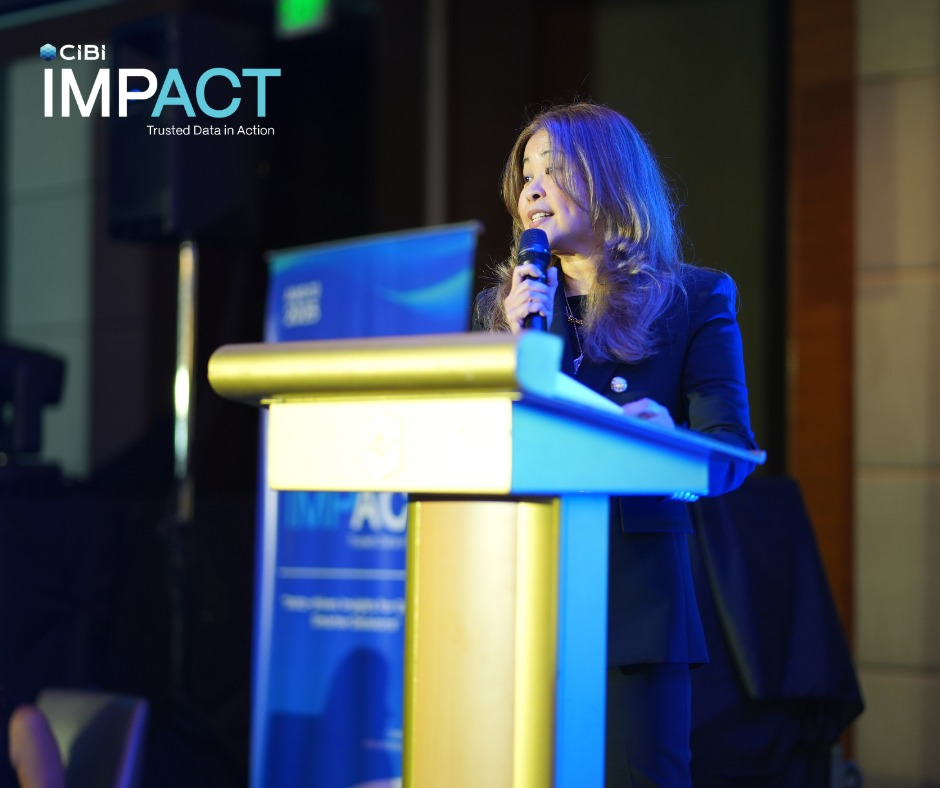
CIBI President and CEO Pia Arellano
While macroeconomic risks loom, discussions at the CIBI summit focused on a structural challenge closer to home: the lack of trusted, comprehensive credit data.
In her opening remarks, CIBI President and CEO Pia Arellano highlighted what she described as a “tale of two realities” — a rapidly digitizing economy alongside a financial system struggling to keep pace with demand.
“Consumer appetite for credit is growing fast,” Arellano said, “but access remains constrained by limited data, fragmented records, and high delinquency risks.”
Nearly half of Filipinos remain unbanked, and only about 1% of loan applications are approved, largely due to insufficient or unreliable data. According to CIBI, improving data quality can enable firms to make decisions up to 30% faster and lift profitability by nearly 20%, while reducing risk and expanding access to finance.
Arellano emphasized that closing the trust gap will require cross-sector collaboration among regulators, banks, fintechs, and data providers. In her closing remarks, she announced new initiatives, including the Fraud Bureau and the CIBI Advanced Tier platform, aimed at strengthening transparency and trust across the credit ecosystem.
“Our mission is to innovate and collaborate so trust in data keeps pace with demand,” Arellano said. “Only then can we build a financial system where no Filipino is left behind.”
Taken together, the summit’s discussions painted a nuanced picture: while the Philippine economy continues to draw strength from its services-led growth model and resilient remittances, fully unlocking its potential will depend on managing external trade risks — and addressing foundational gaps in data, trust, and financial inclusion at home.