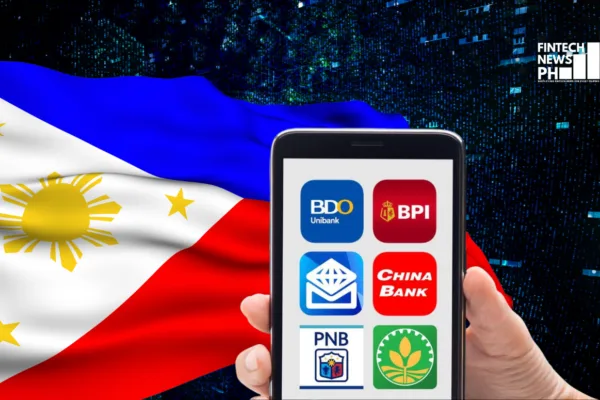



Embedded finance is emerging as a powerful response to one of the Philippines’ most persistent development challenges: limited access to credit. Despite years of banking reforms and digitalization, millions of Filipinos — particularly micro, small, and medium enterprises (MSMEs) and everyday consumers — remain underserved or entirely excluded from formal lending.
Traditional banks continue to dominate credit provision, but their models rely heavily on collateral, lengthy documentation, and formal credit histories. For many MSMEs and informal workers, these requirements are simply out of reach.
The result is a wide and enduring credit gap that constrains business growth, household resilience, and broader economic participation.
Against this backdrop, embedded finance is rapidly gaining ground as a potential solution, offering lending opportunities directly within the digital platforms Filipinos already use.
Finance where Filipinos already are
Embedded finance refers to the integration of financial services — such as lending, payments, or insurance — directly into non-financial digital platforms. Instead of applying for a loan at a bank, users access credit inside the apps they already use for shopping, selling, ride-hailing, or digital payments.
In the Philippines, this model is taking shape inside super apps, e-commerce platforms, and digital wallets, where lending is offered seamlessly at the point of need.
A consumer may receive a buy-now-pay-later option at checkout, while an online merchant may be offered working capital based on platform sales data — without filling out a traditional loan application.

This shift reflects a broader change in how financial services are delivered: from standalone products to context-driven experiences embedded in everyday digital life.
Why embedded lending is accelerating
Several factors are driving the rapid growth of embedded finance in the country.

First is high mobile and digital adoption. Filipinos are among the most active users of mobile wallets, social commerce, and e-commerce platforms in Southeast Asia. Embedding credit into these ecosystems allows lenders to reach customers at scale, including those without bank accounts.
Second is data-driven underwriting. Embedded lenders rely on alternative data — such as transaction histories, platform activity, payment behavior, and cash flows — to assess creditworthiness. This allows them to serve borrowers who lack formal credit records but demonstrate real economic activity.
Third is speed and convenience. Embedded credit products often offer near-instant approval and disbursement, addressing urgent needs such as inventory restocking, bill payments, or short-term cash gaps — scenarios where traditional loans are often too slow.
Opening doors for MSMEs
For MSMEs, embedded finance may be especially transformative.
Small merchants selling on e-commerce platforms or operating through digital wallets generate rich transaction data that can be used to evaluate business performance in real time. This enables lenders to offer working capital loans, credit lines, or installment financing aligned with actual sales cycles.
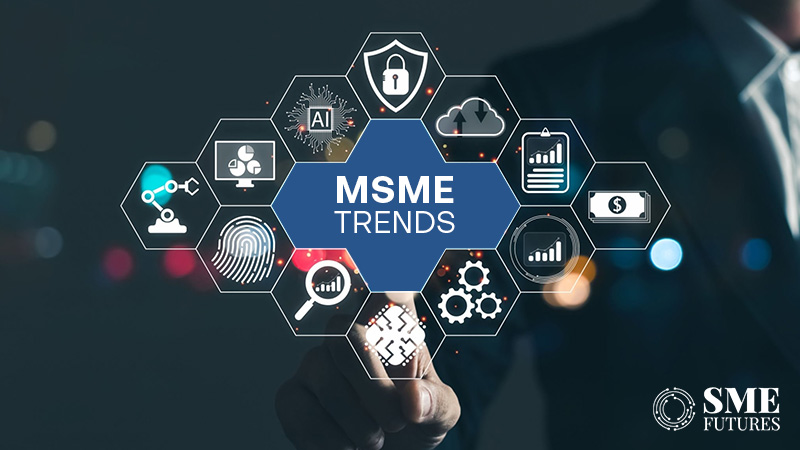
Instead of pledging collateral or submitting audited financial statements, MSMEs can access credit based on verified platform activity. For many informal or micro-entrepreneurs, this is the first time formal credit becomes accessible.
By lowering entry barriers, embedded lending has the potential to unlock growth capital for businesses that have long been invisible to banks — from online sellers and sari-sari store owners to gig-economy workers.
The risks beneath the convenience
However, the rapid expansion of embedded credit also raises important concerns.
Easy access to instant loans can increase the risk of over-borrowing, particularly among consumers with limited financial literacy. Without careful design, transparent pricing, and responsible lending safeguards, embedded finance could exacerbate debt stress rather than alleviate it.

There are also questions about long-term sustainability. Many embedded lenders operate with thin margins and rely on high volumes and data accuracy to manage risk. Economic shocks, rising defaults, or regulatory tightening could test the resilience of these models.
Data privacy and consumer protection are additional challenges, as embedded finance depends heavily on the collection and analysis of user data.
Complementing — not replacing — banks
Despite these risks, embedded finance is increasingly viewed not as a replacement for traditional banking, but as a complementary layer.
Banks bring regulatory expertise, balance sheet strength, and risk management experience. Digital platforms bring reach, data, and user engagement. Partnerships between banks, fintech firms, and technology platforms are becoming central to scaling embedded finance responsibly.
![Top Banks in the Philippines [According to 2023 Data] – Grit PH](https://grit.ph/wp-content/uploads/2022/09/top-banks-in-the-philippines-1280x720.jpg "Embedded finance is growing fast — but can it really close the Philippines’ credit gap? 6")
When designed well, embedded finance can serve as a gateway — introducing first-time borrowers to formal credit, building transaction histories, and eventually connecting them to broader financial services.
Can it close the credit gap?
Embedded finance alone will not eliminate the Philippines’ credit gap. Structural issues — such as income volatility, informality, and limited financial education — remain significant obstacles.
But by embedding lending directly into digital ecosystems, fintechs and platforms are reshaping how credit is distributed. They are meeting Filipinos where they already transact, using data that reflects real economic behavior, and delivering financial services with unprecedented speed.
In a country where access has long been the biggest barrier, embedded finance is emerging as a powerful frontline tool. Whether it ultimately narrows the credit gap will depend on how responsibly it scales — and how effectively it is integrated into the broader financial system.