


The Bangko Sentral ng Pilipinas (BSP)‘s deadline for new digital banking license applications came and went at the end of November 2025 with little fanfare — but behind the regulatory silence, a more consequential story is unfolding for the Philippine fintech sector.
While the central bank confirmed it received just three applications before the November 30 deadline, industry insiders say the muted response reflects a deeper reckoning: digital banking in the Philippines is no longer about who gets licensed — it’s about who can survive.
The BSP had opened four slots when it temporarily lifted its three-year moratorium on digital bank licensing in January 2025. But by early September, the Monetary Board approved a fresh moratorium, closing the window once again.
As of late December, the regulator said it is still finalizing its evaluation of the three applicants, with results yet to be elevated to the Monetary Board. The BSP has declined to name the applicants or give a timeline for announcing the winners.
A tougher digital banking reality
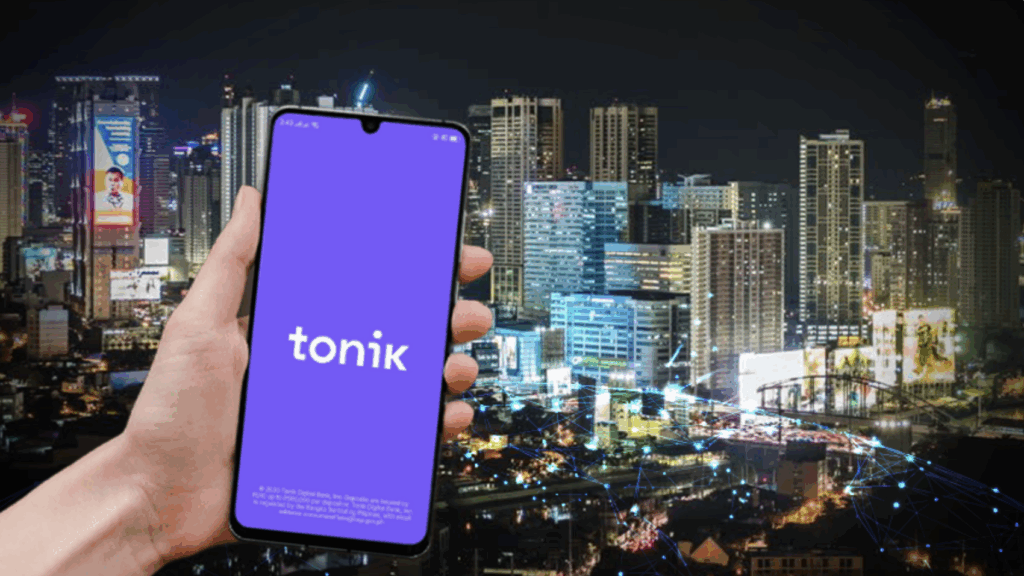
To date, six BSP-licensed digital banks operate in the country: Tonik Bank, GoTyme Bank, Maya Bank, Overseas Filipino Bank (OFBank), UNObank, and UnionDigital Bank.
Together, they represent the BSP’s bold experiment in using digital-first models to drive financial inclusion and payments innovation.
But nearly five years into that experiment, profitability — not user acquisition — has emerged as the industry’s defining challenge.
“The real question now isn’t who’s getting in,” one banking executive familiar with boardroom discussions told FintechNewsPH. “It’s who can actually make money.”
For most digital banks, the path to sustainability hinges on scaling lending operations fast enough — and prudently enough — to generate consistent returns. That’s easier said than done.
The front-runners and the turnaround story
Among the licensed players, Maya Bank and GoTyme Bank have pulled ahead in terms of scale. Maya reported 8.2 million banking customers and ₱50 billion in deposits, while GoTyme has crossed 8 million users with over ₱40 billion in deposits.
Both are aggressively expanding products and partnerships as they race toward profitability.

Then there’s UnionDigital Bank, which has become one of the industry’s most closely watched turnaround stories.
After its non-performing loan (NPL) ratio ballooned to around 40 percent, new management under CEO Bong Mojica — who took the helm in late 2024 — has driven NPLs down to below 7 percent, according to industry sources. The turnaround has been cited as proof that disciplined execution, not just technology, determines success in digital banking.
For other players, however, the choices are becoming starker: accelerate growth, seek consolidation, or consider exiting the space altogether. Industry sources emphasize that any consolidation would be carefully managed under BSP oversight, ensuring depositor protection and financial stability.
CIMB, Diskartech, and alternative playbooks
Interestingly, the biggest digital banking success story in the Philippines doesn’t come from a BSP-licensed digital bank.
CIMB Bank Philippines, operating under a foreign commercial bank license, reached 10 million customers by end-November 2025 — outpacing every local digital bank. Its strategy: embed banking services directly into platforms Filipinos already use daily, such as GCash, Shopee, and Lazada.
A similar “inside-the-ecosystem” approach has powered Diskartech, RCBC’s digital banking platform. Rather than operating as a standalone digital bank, Diskartech leverages RCBC’s universal banking license — allowing faster decision-making, fewer regulatory hurdles, and quicker execution.
The model has reignited debate over whether the future of digital banking lies in standalone challengers or digital arms of incumbent banks.
Why only three applicants?
The BSP has consistently said approvals will favor applicants with strong governance, sound risk management, and a clear value proposition.
In previous statements, the central bank stressed it wants digital banks that can scale quickly by leveraging existing capabilities — whether technology platforms, customer ecosystems, or digital finance expertise.
That bar may explain why only three applications materialized despite four available slots.
“This is a more mature market now,” a fintech executive said. “Capital is tighter, expectations are higher, and everyone has seen how expensive it is to build a digital bank from scratch.”
Payments growth still the endgame
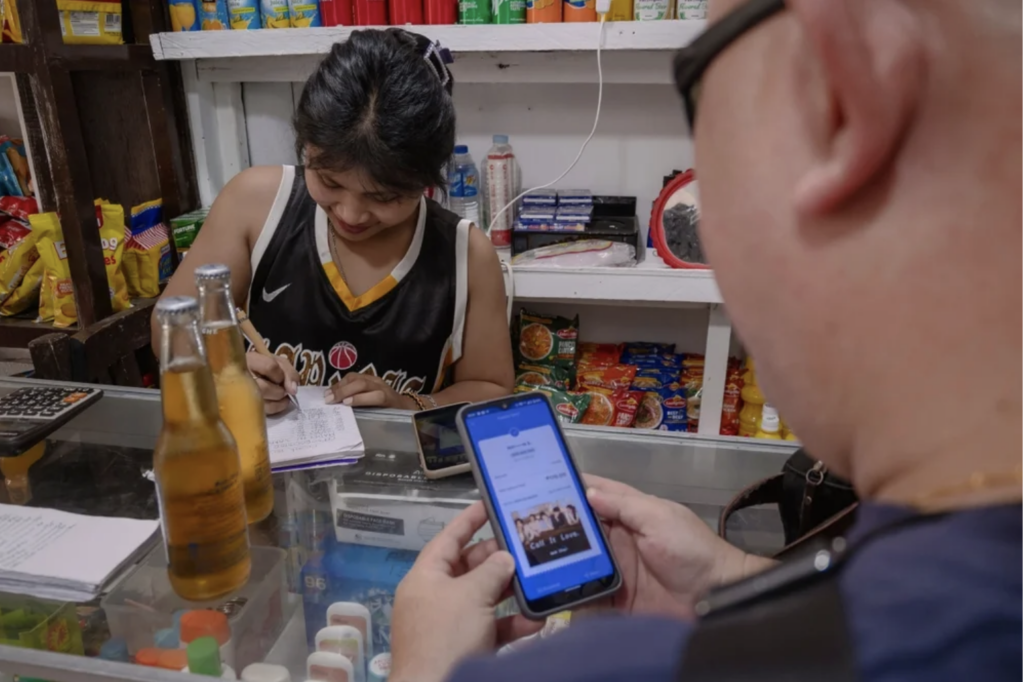
Despite the tougher environment, the BSP remains optimistic about digital banks’ role in pushing the country toward a cash-light economy.
Digital payments accounted for 57.4 percent of retail transaction volume and 59 percent of value in 2024, up from the previous year.
The central bank is targeting 60–70 percent digital payments by 2028, in line with the Philippine Development Plan.
New digital bank entrants — if approved — are expected to expand transaction pathways, pricing innovation, and ecosystem-based services that could further accelerate adoption.
A pause, not a pullback
For now, the renewed moratorium gives regulators — and the industry — time to assess what works and what doesn’t. Conversations around mergers, strategic investments, and potential exits are already happening quietly in boardrooms, according to sources.
The BSP’s silence, it seems, isn’t a lack of interest. It’s a signal that digital banking in the Philippines has entered a more disciplined, outcomes-driven phase — one where sustainability matters just as much as innovation.
And for fintech players watching from the sidelines, the message is clear: the next wave of digital banking won’t be defined by licenses alone, but by execution, scale, and the ability to turn inclusion into enduring value.