

Cross-bank auto-debit is set to redefine how Filipinos pay their bills.
For years, automating recurring payments in the Philippines came with a major limitation: your bank account had to be with the same institution as your biller. This “same-bank only” rule applied to utilities, loans, insurance, and even subscription services, creating unnecessary friction in an otherwise fast-evolving digital payments ecosystem.
With the Bangko Sentral ng Pilipinas (BSP) preparing the 2026 rollout of an interoperable system, Cross-Bank Auto-Debit promises to remove this long-standing constraint.
The shift signals a critical upgrade in the country’s retail payments infrastructure, one that prioritizes convenience, interoperability, and everyday usability for consumers and businesses alike.
Why cross-bank auto-debit matters to consumers
Before Cross-Bank Auto-Debit, many consumers were forced to maintain multiple bank accounts just to qualify for auto-debit arrangements. If your electricity provider worked with one bank and your salary account sat in another, automation was often impossible.
The result was a reliance on manual transfers, payment reminders, and frequent late fees.

This limitation disproportionately affected households managing several financial obligations across institutions. Despite the rise of digital wallets and instant fund transfers, recurring payments remained stubbornly fragmented.
Cross-bank auto-debit directly addresses this gap by allowing customers to authorize payments regardless of where their account or biller is based.
By removing the same-bank requirement, cross-bank recurring payments simplifies financial routines. Consumers gain the ability to “set and forget” essential payments, reducing cognitive load and improving payment discipline across utilities, mortgages, and other recurring expenses.
How the cross-bank auto-debit system works

At a system level, cross-bank auto-debit introduces interoperability between banks’ direct debit infrastructures. Instead of operating within isolated networks, participating banks connect through a shared framework that handles payment mandates, authentication, and settlement across institutions.
For users, the experience remains familiar.
Customers enroll in auto-debit through their preferred bank, approve a mandate, and payments are triggered automatically — even if the biller’s bank is different. The complexity is handled behind the scenes, ensuring security and compliance while keeping the user journey straightforward.
This interoperable approach aligns with the BSP’s broader digital payments strategy, which focuses on reducing friction, increasing usage of cashless payments, and building trust in automated financial services. Interoperable direct debit is not just a new feature, but a foundational layer for future payment innovation.
What cross-bank auto-debit means for banks and billers
For banks, cross-bank auto-debit changes the competitive landscape. Institutions can no longer rely on exclusive billing relationships to retain customers.
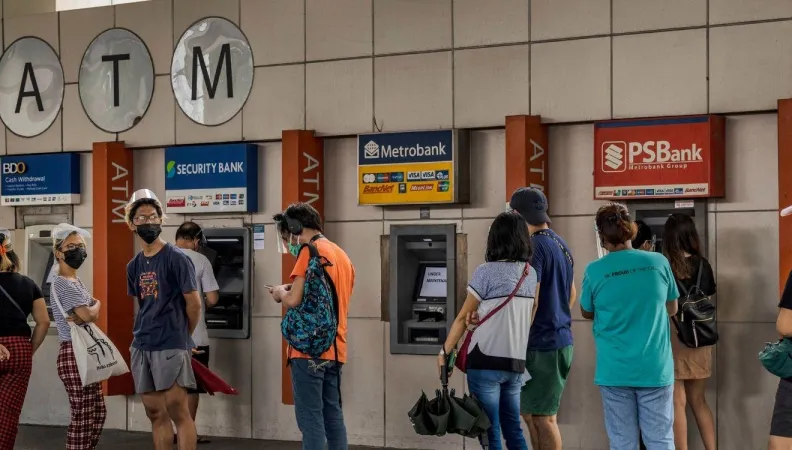
Instead, service reliability, user experience, and value-added features will play a larger role in customer loyalty.
Billers also stand to gain significantly. Cross-Bank Auto-Debit improves collection efficiency by expanding the pool of customers eligible for automated payments. Fewer failed transactions and manual follow-ups mean more predictable cash flow and lower operational costs.
On a broader scale, Cross-Bank Auto-Debit supports the growth of subscription-based business models and recurring digital services. As automated collections become easier to implement, businesses can design offerings that assume seamless, bank-agnostic payments — a key driver of digital economy growth.
A step toward a more interoperable payments future
Cross-Bank Auto-Debit may not grab headlines like real-time payments or digital currencies, but its impact will be felt daily by millions of Filipinos.
By eliminating the same-bank barrier, the BSP is addressing one of the most persistent pain points in everyday financial management.
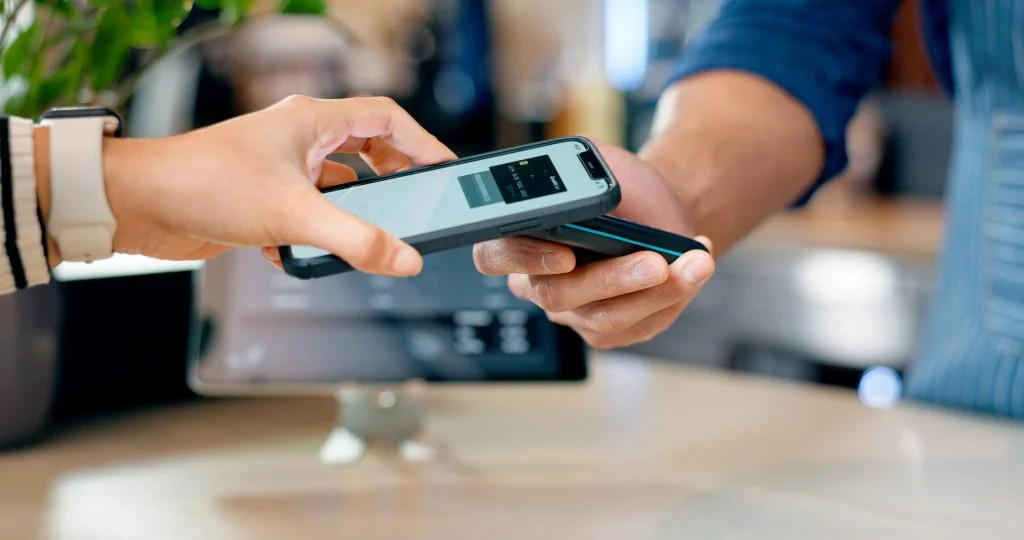
As adoption grows, cross-bank auto-debit is expected to normalize automated payments across sectors, encourage better financial habits, and reduce reliance on manual processes.
In doing so, it quietly strengthens the foundations of the Philippine digital payments ecosystem.
In a market where convenience often determines adoption, cross-bank auto-debit represents a practical, long-overdue upgrade — one that brings the promise of interoperability closer to everyday life.