


The Bangko Sentral ng Pilipinas (BSP) is juggling multiple priorities as global uncertainty and domestic financial reforms converge — offering a snapshot of how the country’s financial system is evolving in real time.
As tensions in the Middle East continue to unfold, the BSP said it is closely monitoring potential spillover effects on inflation ahead of its upcoming policy meeting in April.
Rising oil prices remain a key concern, with possible knock-on effects on transport costs, fertilizer prices, and overall consumer inflation.
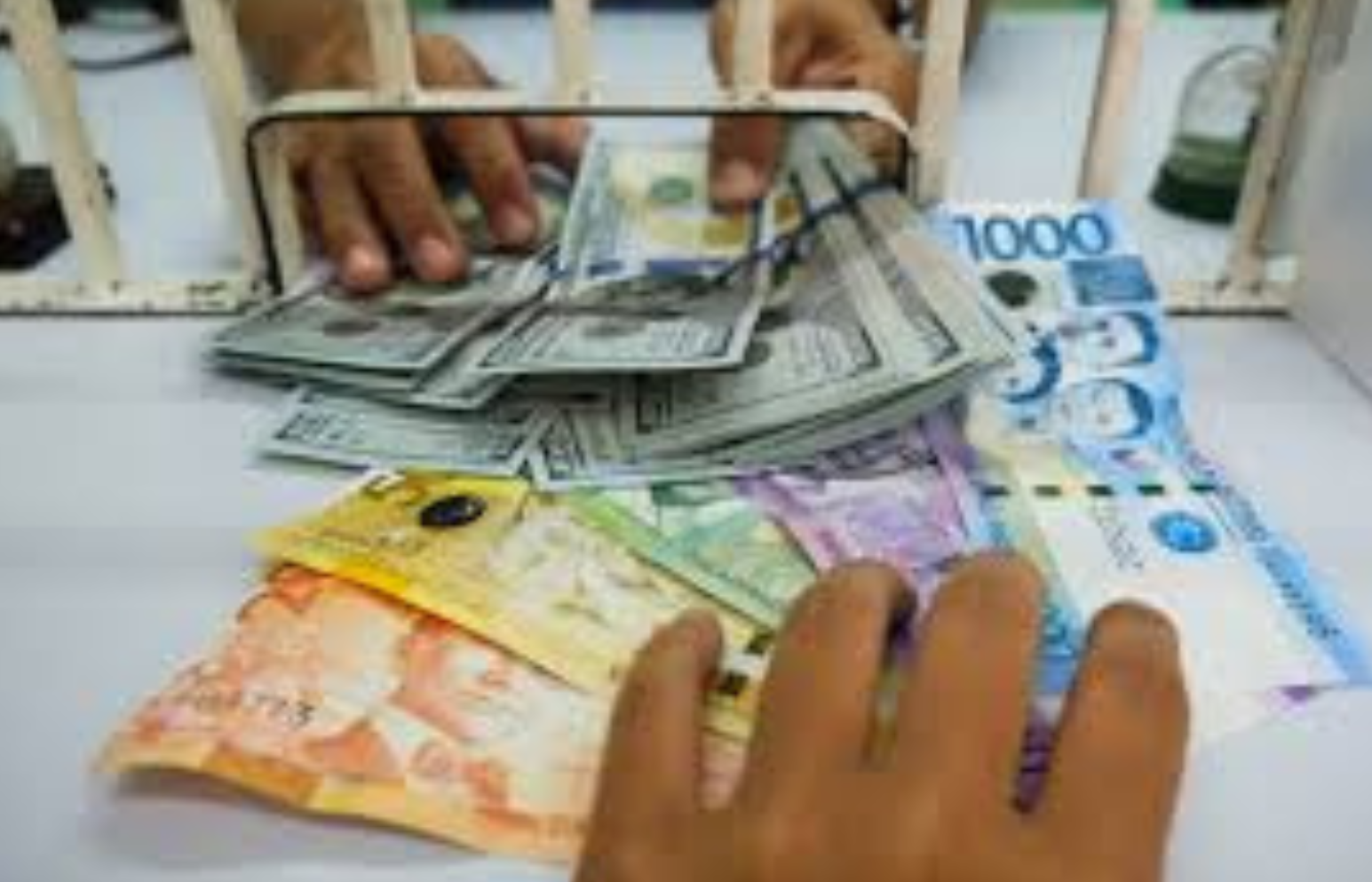
The central bank is also keeping a close watch on remittances, trade flows, and foreign exchange movements, signalling readiness to step in to manage excessive peso volatility if needed.
BSP expands open finance for digital retirement access
Even as external risks build, the BSP is pushing forward with structural reforms aimed at deepening financial inclusion — particularly in long-term savings.
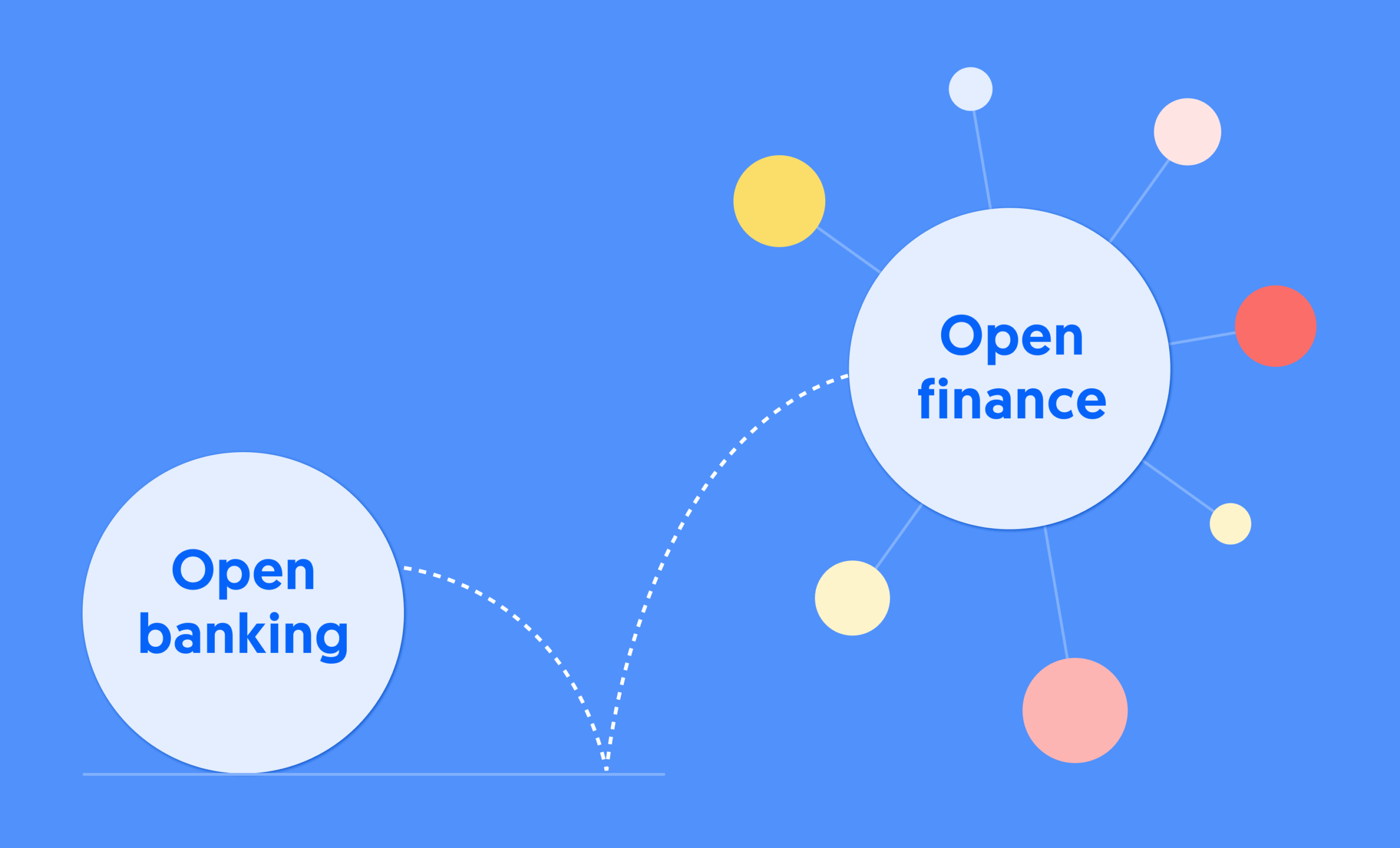
A key development is the expansion of the central bank’s Open Finance for PERA Pilot, which is making it easier for Filipinos to open retirement accounts digitally.
Customers of GCash, Union Bank of the Philippines, Philippine National Bank, and Rizal Commercial Banking Corporation can now seamlessly open a Personal Equity and Retirement Account through ATRAM Trust Corporation using shared, consent-based data — removing the need for manual forms and repetitive identity checks.
The initiative highlights how open finance is starting to take shape in the Philippines, with interoperability and data-sharing seen as key to unlocking more accessible financial products.
For fintech players, it signals growing opportunities in wealth tech and retirement-focused solutions — segments that have historically lagged in digital adoption.
PH strengthens buffers as external debt metrics improve
Meanwhile, the country’s external position is showing signs of resilience.
The Philippines’ outstanding external debt dipped slightly to US$147.65 billion in the fourth quarter of 2025, while key indicators of debt sustainability improved.
The external debt-to-GDP ratio edged down to 30.3%, and the debt service ratio dropped significantly year-on-year, pointing to a stronger capacity to meet obligations.
The country’s gross international reserves remain robust, providing a solid buffer against short-term external shocks — an important cushion as global conditions remain volatile.
Taken together, the developments reflect a balancing act: managing near-term risks from global headwinds while laying the groundwork for a more inclusive, digitally enabled financial ecosystem.
For the Philippine fintech sector, the signals are clear — macro stability remains intact, but the real momentum is building in open finance, digital onboarding, and long-term financial inclusion.