


Ever sent money late at night, only to watch it hang in limbo until morning? In our always-on digital era, why does your cash still clock out at 5 PM?
That everyday frustration points to a deeper limitation in traditional banking systems — one the Bangko Sentral ng Pilipinas (BSP) is now addressing through the BSP digital peso pilot, a project designed to explore faster, always-available settlement between financial institutions.
If successful, this wholesale Central Bank Digital Currency (wCBDC) initiative could enable 24/7 interbank transfers and government bond settlements, reducing delays, improving liquidity, and strengthening the Philippines’ financial backbone.
As a fintech enthusiast who follows Southeast Asian banking developments closely, I’ll break down what the BSP digital peso pilot means for institutions — and why it matters even to everyday Filipinos.
A quick overview of the BSP Digital Peso pilot
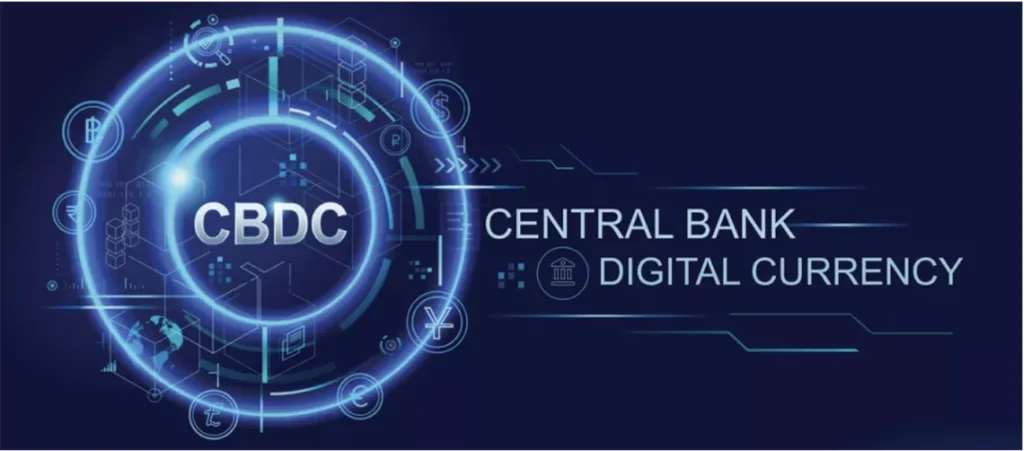
- What: BSP is testing a wholesale digital peso (wCBDC) meant for banks, not consumers
- Focus: 24/7 interbank transfers and government bond settlements
- Benefits: Faster settlement, reduced risks, improved liquidity efficiency
- Concerns: Data privacy and surveillance risks in a digitized settlement system
- Outlook: A major infrastructure step, with potential expansion over time
Understanding the BSP Digital Peso pilot (and why it’s not a payment app)
When people hear “digital peso,” they often imagine something like GCash or Maya — a consumer wallet for everyday use. But the BSP digital peso pilot is not designed for public spending.
This project focuses on a wholesale CBDC, meaning it is intended for banks and regulated financial institutions. It acts as a secure digital form of central bank money that can be used for high-value, behind-the-scenes settlement.
Instead of relying on clearing schedules and end-of-day cutoffs, banks could exchange value more efficiently and with fewer operational delays.
If you want the official BSP framework behind this direction, the BSP’s digital payments modernization goals are aligned with its Digital Payments Transformation Roadmap (DPTR).
Why 24/7 settlement matters more than most people realize

One of the biggest goals of the BSP digital peso pilot is allowing settlement beyond traditional banking hours.
Right now, even when transfers look “instant” to consumers, institutional settlement can still depend on business-day processing windows. That means liquidity gets tied up and risk increases—especially when markets are moving fast.
A 24/7 settlement capability could mean:
- banks can finalize transfers anytime
- reduced dependence on manual clearing schedules
- improved liquidity movement between institutions
- fewer bottlenecks during peak transaction periods
For large-value transactions, this isn’t just about convenience. It’s about reducing exposure to settlement delays that can ripple across the system.
Why government bond settlement is the perfect starting point
Government securities might not be a daily topic for most Filipinos, but they sit at the core of the economy. They influence interest rates, government borrowing, and institutional investment decisions.
The BSP digital peso pilot targets bond settlement because it involves high-value transactions where delays can create serious operational and financial risk.
Potential advantages include:
- faster settlement for government securities trades
- lower counterparty risk during volatile market conditions
- improved market confidence through stronger infrastructure
- more efficient institutional operations, reducing cost and friction
Even if everyday Filipinos don’t directly trade bonds, smoother bond settlement can contribute to a healthier financial system overall.
For context on government securities in the Philippines, the Bureau of the Treasury provides relevant public resources.
Efficiency gains: What a wholesale digital peso improves
Beyond speed, the BSP digital peso pilot could improve the overall quality of institutional settlement.
By digitizing settlement assets, BSP could reduce the need for multiple intermediaries and manual reconciliation. It may also enhance auditability and strengthen transaction reliability.
Over time, this type of infrastructure can open doors for more advanced financial systems, including faster settlement rails for new asset types.
The key point is this: even if consumers never touch the wholesale digital peso directly, the efficiency improvements can indirectly influence the banking services consumers rely on.
The real concern: Privacy and surveillance risks
Here’s where the conversation becomes more serious.
The BSP digital peso pilot may improve settlement efficiency, but wholesale CBDC systems can also increase traceability. That is not automatically a bad thing—traceability can strengthen fraud prevention and auditing.
But it does raise governance questions:
- Who has access to transaction data?
- What information is stored, and for how long?
- Are there clear limits on sharing data across agencies?
- What safeguards prevent misuse or overreach?
If BSP expands this infrastructure in the future, these questions will matter even more. A faster system is valuable, but trust depends on transparency and accountability.
To understand BSP’s mandate and authority, you can refer to the BSP Charter.
What to watch next in the BSP digital peso pilot
The BSP digital peso pilot is still in its early phase, but it signals serious movement toward modernization.
Key developments worth monitoring:
- whether the pilot expands beyond bond settlement
- how BSP defines access controls and governance rules
- cybersecurity readiness and resilience testing
- future hints of broader implementation beyond wholesale use cases
BSP updates through official announcements will shape the timeline and direction.
Final thoughts: A faster system needs stronger guardrails
The BSP digital peso pilot may not be flashy, but it could become one of the most important infrastructure upgrades in Philippine finance in years.
A system that enables 24/7 interbank transfers and faster government bond settlement could reduce friction, strengthen liquidity, and make institutional markets more efficient.
But modernization must come with safeguards. The real challenge is not just building a faster system—it’s ensuring it remains trustworthy, secure, and governed with clear limits.
Because in the end, efficiency is valuable. But trust is what keeps the financial system standing.
External Do Follow resource:
https://www.bsp.gov.ph/Pages/InclusiveFinance/dptr.aspx
https://lawphil.net/statutes/repacts/ra2019/ra_11211_2019.html
https://www.treasury.gov.ph/
https://fintechnewsph.com/top-fintech-trends-and-banking-innovations-to-watch-out-for-in-2025-and-beyond/