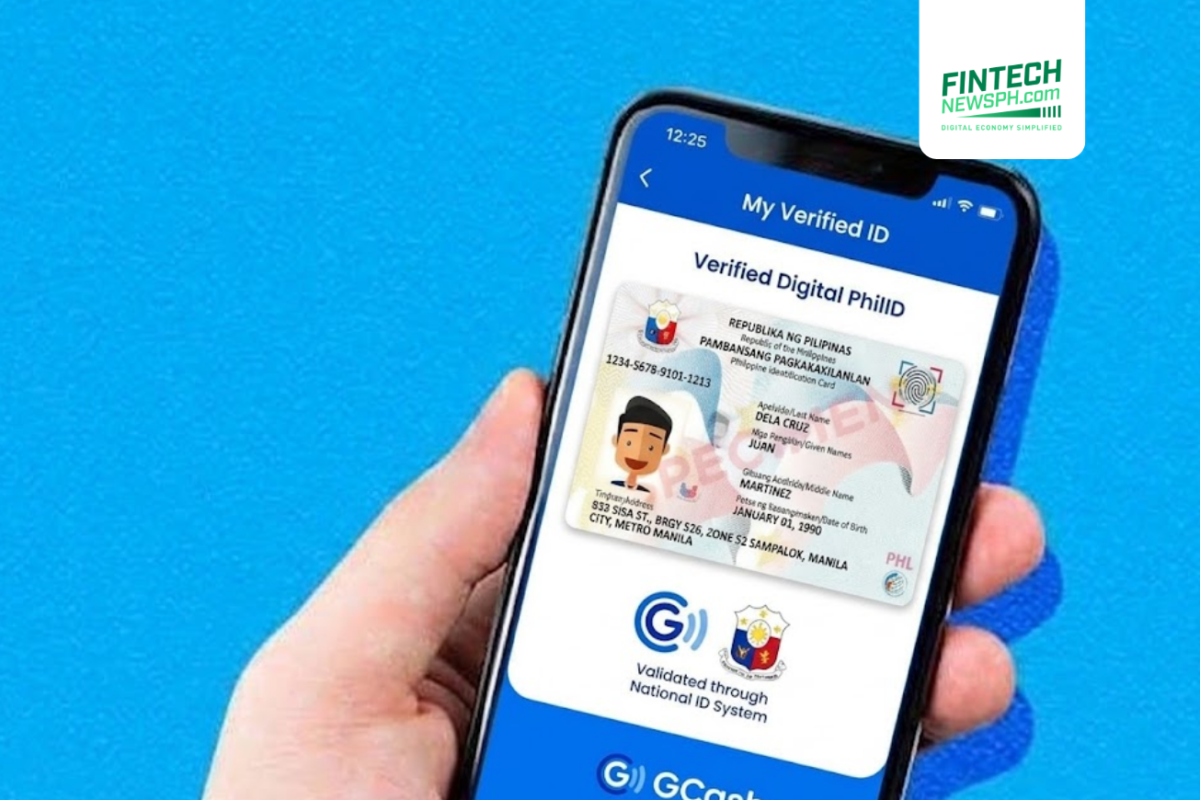
National ID verification has become a major gateway to digital financial services in the Philippines, with 24.4 million GCash users using their National ID to open or verify their accounts as of May 2026.
The figure represents 61% of onboarded GCash users, making the National ID the most commonly submitted identification document for account verification on the platform. The milestone highlights how government-backed digital identity infrastructure can help reduce one of the barriers to financial inclusion: having a trusted and accessible form of identification.
For Filipinos who previously faced difficulties opening financial accounts because they lacked traditional identification documents, the wider availability of the National ID could make digital financial services easier to access.
National ID becomes a key gateway to GCash
The National ID can be presented in card, paper or digital format, giving users different ways to complete the identity verification process.
Its growing use on GCash also reflects the increasing overlap between digital identity and financial services. While an e-wallet allows users to send money, pay bills and access other financial products through a mobile phone, identity verification remains an important part of opening and maintaining an account.

For unbanked and underserved Filipinos, this connection can be particularly significant. A person may have access to a mobile phone and connectivity but still encounter difficulties entering the formal financial system without an accepted government ID.
The PSA said the collaboration with GCash is helping expand access to digital financial services, particularly among unbanked Filipinos in underserved and marginalized communities.
Bringing identity services closer to communities
The partnership is also moving beyond digital platforms by bringing National ID registration and GCash services closer to local communities.
The Philippine Statistics Authority (PSA) has been conducting activities where residents can access National ID services alongside GCash registration and account verification. This approach can reduce the need for people to travel to separate locations to complete requirements for identification and financial services.
The impact can be more significant in communities where access to government offices, banks and other formal financial institutions is limited.
PSA National Statistician Claire Dennis S. Mapa said the goal is to ensure Filipinos are not left behind in the country’s digital transformation simply because they do not have a government ID. The agency has emphasized that bringing National ID and GCash registration services directly to barangays can help remove barriers for unbanked families.
Financial inclusion moves beyond opening an account
The 24.4 million figure also points to a broader shift in how financial inclusion is being approached in the Philippines.
Having a digital wallet does not automatically mean a person is financially included. What matters is whether that person can actually use formal financial services for everyday needs, such as receiving money, making payments, saving, borrowing or accessing other financial products.
A reliable identity system can support that process by making it easier for financial institutions and digital platforms to establish who their customers are.

The National ID’s growing use for GCash verification shows how identity infrastructure can become part of the country’s wider digital finance ecosystem. It can help connect people who were previously outside the formal financial system with services that are increasingly delivered through mobile devices.
GCash expands its digital government services
The relationship between GCash and the PSA is also extending beyond identity verification.
GCash has become the first Philippine e-wallet to integrate the PSAHelpline service directly into its platform. Through the integration, users can request and download PDF copies of civil registry documents, including birth, marriage and death certificates.
This brings another set of government-related services into a platform already used by millions of Filipinos, potentially reducing the friction involved in accessing official documents.
As digital identity, payments and government services become increasingly connected, the National ID could play a larger role in determining how Filipinos access the digital economy.
For the Philippines, the 24.4 million GCash users who have already used their National ID show that financial inclusion is increasingly tied not just to having a bank account or e-wallet, but to having a trusted digital identity that can open the door to more services.