
The SSS (Social Security System) is easing emergency loan requirements as it introduces more flexible borrowing options, including microloans, to help Filipino members cope with rising financial pressure driven by global instability and local economic strain.
The move comes as many households face tighter budgets, remittance concerns, and increased cost-of-living pressures linked to ongoing geopolitical tensions affecting overseas Filipino workers (OFWs) and their families.
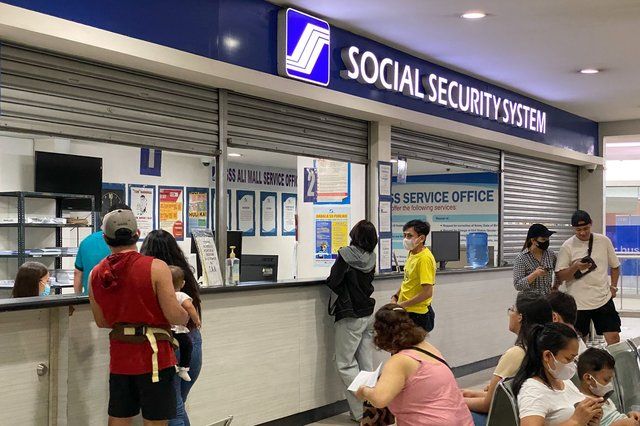
SSS expands financial support for affected members
The Social Security System (SSS) has rolled out eased requirements for its emergency loan program, allowing more members to access financial assistance during crises. The initiative is aligned with government efforts to cushion Filipinos from the economic ripple effects of global conflicts, particularly the Middle East situation affecting OFW incomes and remittances.
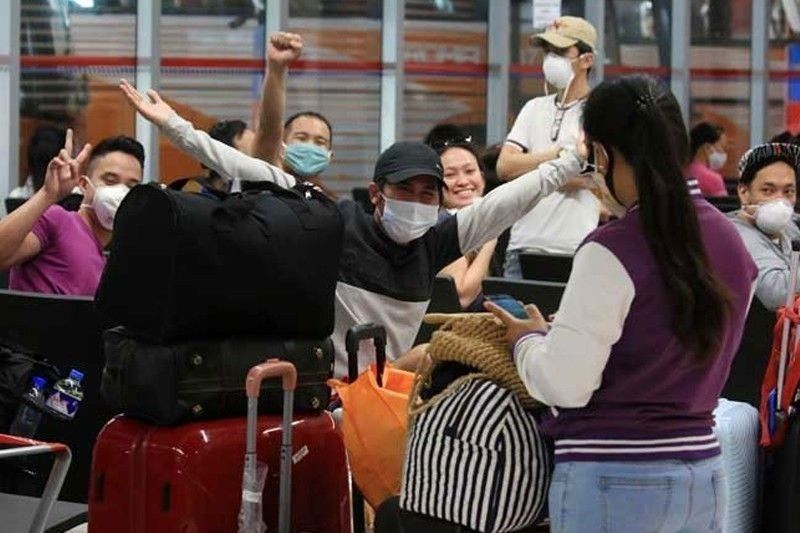
Under the updated guidelines, qualified members may now find it easier to apply for emergency loans, with streamlined documentation and broader eligibility criteria designed to speed up access to funds during urgent situations.
This move reflects the SSS’s continuing role as a financial safety net, especially during periods of heightened uncertainty, when households are most vulnerable to income disruptions.
Microloans introduced for faster, smaller assistance
Alongside emergency loan adjustments, SSS has also introduced microloan offerings aimed at providing quicker access to smaller amounts of credit. These microloans are designed for immediate needs such as daily expenses, medical costs, and short-term financial gaps.

Unlike traditional loans, microloans typically involve simplified application steps and faster disbursement, helping members respond to urgent financial needs without long processing delays. This is particularly relevant for workers and families who rely on fast liquidity during crises.
The introduction of microloans signals a shift toward more inclusive financial assistance tools, targeting members who may not qualify for larger loan programs but still require urgent support.
Relief measures amid global uncertainty
The easing of loan requirements and the rollout of microloans come at a critical time, as geopolitical tensions in the Middle East continue to affect employment stability for overseas Filipino workers. Many OFWs serve as primary income sources for their families in the Philippines, making them highly vulnerable to external shocks.

By expanding access to emergency financial support, SSS aims to help stabilize household consumption and prevent deeper financial distress among affected members. These measures also complement broader government responses, ensuring social protection systems remain responsive during international crises.
Financial experts note that such interventions play a key role in maintaining economic resilience, especially in economies heavily dependent on remittances and informal support networks.
A lifeline in uncertain times: SSS steps in
As global uncertainty continues to ripple through local households, the SSS emergency loan expansion and microloan rollout represent more than just policy adjustments—they serve as a critical financial lifeline.
For many Filipino families, these programs may mean the difference between financial survival and prolonged hardship, reinforcing the importance of adaptive social protection systems in an increasingly volatile world.