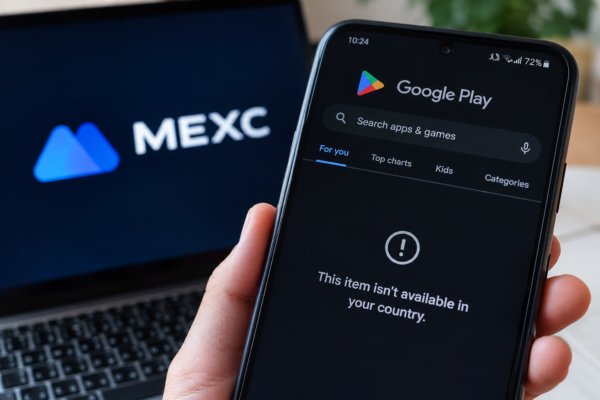

The conversation around Bitcoin and crypto in the Philippines has moved beyond narratives of digital gold or speculative trading. As adoption grows and regulation tightens, the question has become clearer: where does crypto truly fit within the country’s financial system?
Digital assets are increasingly intersecting with traditional finance, local payment networks, and compliance frameworks led by the Bangko Sentral ng Pilipinas (BSP).
The shift from hype to utility is reshaping how Filipinos, startups, and regulators view crypto — not as a replacement for the peso, but as a complementary layer.
So, from Bitcoin to peso rails, the question today is clearer: where does crypto truly fit within the country’s financial system?
Crypto beyond speculation: Real use cases in the Philippines
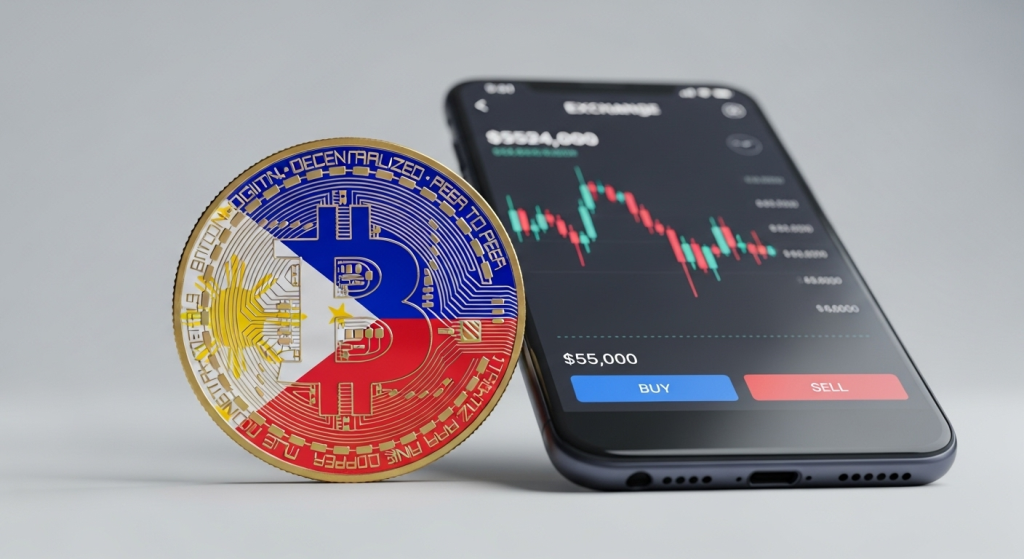
Remittances remain one of the most cited use cases. With millions of overseas Filipino workers sending money home, crypto once promised faster and cheaper cross-border transfers. Platforms like Coins.ph helped pioneer crypto-enabled wallets that allow users to convert digital assets into pesos seamlessly.
But the real breakthrough was not holding Bitcoin — it was the ability to cash out instantly into local bank accounts and e-wallets. Integration with peso rails such as InstaPay and PESONet has made crypto more practical.
In many cases, users are not even exposed to price volatility for long; Bitcoin becomes a bridge asset rather than an investment.
Gaming is another sector where crypto found early traction.
Play-to-earn models surged in popularity during the pandemic, bringing blockchain assets into mainstream conversations. Yet, as token prices fell, it became clear that sustainable gaming ecosystems require more than speculative incentives.
So from Bitcoin to peso rails, value must eventually anchor back to real economic activity.
From Bitcoin to peso rails: Regulation and risk
The phrase “from Bitcoin to peso rails” also reflects a regulatory journey. The Bangko Sentral ng Pilipinas and the Securities and Exchange Commission have both increased oversight of virtual asset service providers.
Licensing requirements, compliance checks, and consumer protection measures signal that crypto is now part of the formal financial conversation.
This is a reality check. Crypto is not operating in a vacuum.
Exchanges must comply with anti-money laundering rules, cybersecurity standards, and reporting obligations. The era of unchecked growth is over; legitimacy now depends on alignment with the broader financial system.
At the same time, peso rails remain dominant. Digital banks and e-wallets continue to expand access to financial services without requiring users to touch crypto at all.
This underscores a key point: from Bitcoin to peso rails, crypto must justify its existence through efficiency, innovation, or unique value — not simply novelty.
Investments, volatility, and the Filipino retail market
Retail investing has also been one of the strongest drivers of crypto adoption.
For many Filipinos, Bitcoin represents an alternative asset class — accessible, borderless, and open 24/7. During bull markets, returns can outpace traditional instruments, drawing new entrants into the ecosystem.

However, volatility remains a defining characteristic. Price swings can be dramatic, and without proper risk management, retail investors bear the brunt of market downturns.
Education, disclosure, and platform transparency are becoming critical pillars as regulators push for responsible participation.
The deeper question is sustainability. Long-term integration will likely depend on hybrid models — where crypto infrastructure supports faster settlements, tokenized assets, or programmable payments, while the peso remains the unit of account. Rather than replacing the financial system, crypto may evolve as a specialized layer within it.
Crypto’s place in a peso-first economy
The Philippine experience suggests a sobering but constructive path forward. Crypto’s strongest use cases emerge not in isolation, but when connected to regulated exchanges, compliant platforms, and reliable local payment networks.
The hype cycle may rise and fall, but practical integration endures. In a peso-first economy, crypto’s future will depend less on speculation — and more on how effectively it bridges innovation with trust.
—
Disclaimer: This article is for news and informational purposes only and should not be construed as financial or investment advice or an endorsement of any cryptocurrency or platform. Crypto-assets are highly speculative and involve significant risks. Readers should verify the regulatory status of crypto service providers with the BSP and the SEC before making any investment or transaction.