
Regulation is often portrayed as a brake on innovation. But in the Philippines, the Bangko Sentral ng Pilipinas (BSP) is proving the opposite.
Through carefully crafted policies, the central bank is using regulation not merely to control risks, but as a tool to actively foster financial technology (fintech) growth. The result is a regulatory ecosystem that promotes innovation, financial inclusion, and stability in equal measure.
Sandboxing innovation
Since the early 2010s, the BSP has taken a risk-based, proportionate approach to fintech oversight. Rather than enforcing rigid rules that could stifle experimentation, the central bank introduced a regulatory sandbox under BSP Circular No. 1153.
This framework allows fintech companies to pilot new products from e-money platforms to virtual asset services in a controlled environment, limiting exposure to broader financial risks.
The sandbox approach is essentially a “test-and-learn” methodology. Regulators observe innovations firsthand, identify potential risks, and adjust rules accordingly. This has encouraged fintech players to explore new services confidently, knowing they can innovate without immediate penalties.
In effect, the BSP’s sandbox has become a cornerstone for developing fintech solutions tailored to local market needs.
Driving digital payments and financial inclusion

Beyond sandboxing, the BSP has actively reshaped the digital payments landscape through theNational Retail Payment System (NRPS). Initiatives like InstaPay and PESONet have made digital transactions faster, cheaper, and more accessible, particularly for communities outside major urban centers.
Digital retail transactions have grown from near-zero in 2013 to about 42 percent by 2022, demonstrating the success of these initiatives in expanding fintech adoption.
The BSP has also promoted interoperability through the National QR Code Standard, enabling seamless payments across banks and fintech providers. This ensures a level playing field where startups can compete with established institutions while driving innovation.
By mandating these standards, the BSP has reduced barriers for both businesses and consumers, reinforcing fintech’s role in broader financial inclusion.
Collaboration and responsible growth
Collaboration is central to the BSP’s regulatory philosophy. Partnering with industry fintech groups which represent over 130 fintech companies responsible for most retail digital transactions, the central bank has co-developed policies on open finance, cybersecurity, and consumer protection.
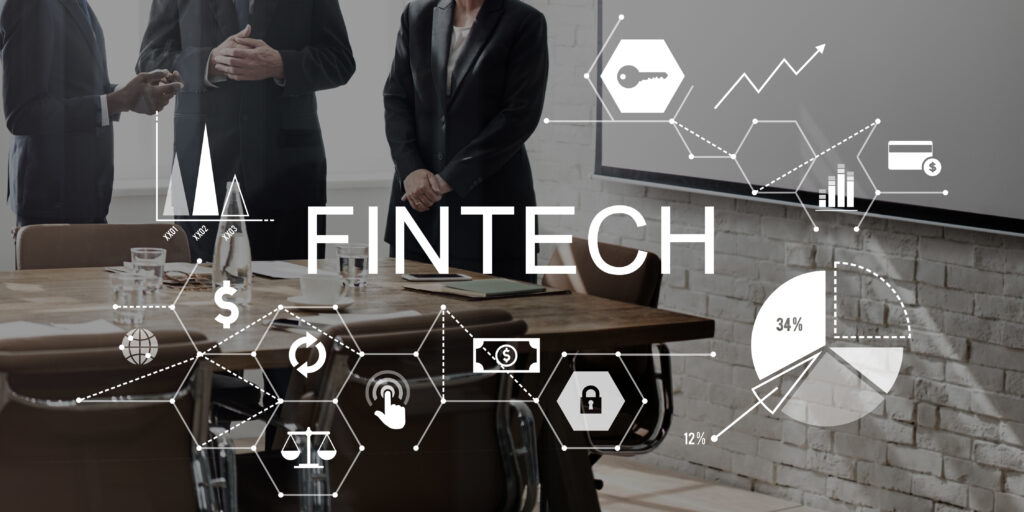
Fintech has expanded beyond payments, supporting traditionally underserved sectors such as micro, small, and medium enterprises (MSMEs) and agricultural workers.
At the same time, the BSP balances innovation with prudence. Planned closures of new digital bank license applications in December 2025 will ensure only well-capitalized, governance-compliant players enter the market.
Looking ahead, BSP digital finance guidelines are expected to standardize regulations across all institutions, ensuring that banks and fintechs operate under consistent rules. By framing regulation as an enabler rather than a constraint, the BSP is helping build a dynamic, inclusive, and resilient fintech ecosystem where innovation and stability coexist.
In the Philippines, this approach challenges conventional wisdom that regulation slows technology. Instead, BSP policies demonstrate that robust oversight can drive innovation, expand financial access, and create an environment where fintech solutions thrive responsibly.