
The Philippine government has blocked access to Grok, the artificial intelligence chatbot developed by Elon Musk’s xAI, after authorities flagged potential risks related to content safeguards and regulatory compliance, marking one of the most direct interventions yet by Manila in the rapidly expanding global AI race.
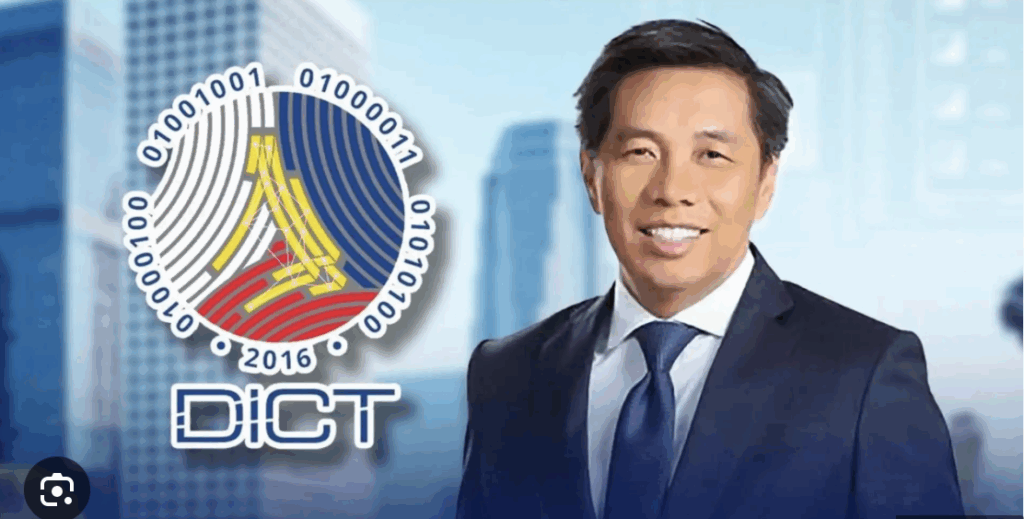
The Department of Information and Communications Technology (DICT) confirmed this week that it has restricted access to Grok in the Philippines and formally directed xAI to submit corrective measures before the service can resume operations locally.
The move underscores how Philippine regulators are beginning to assert oversight over generative AI tools, even as many countries are still debating how to govern technologies that evolve faster than traditional policy frameworks.
Government flags safeguards, compliance issues
In a statement carried by GMA News, the DICT said its decision followed an assessment of Grok’s current deployment, particularly its safeguards against harmful or misleading content and its alignment with existing Philippine laws and policies.
While the department did not publicly enumerate all technical deficiencies, officials indicated that the chatbot’s current configuration raised concerns related to responsible AI use, user protection, and content moderation — areas that regulators globally are increasingly scrutinizing.
Grok, which is integrated into X (formerly Twitter) for premium users in some markets, is positioned by xAI as a more “unfiltered” conversational AI. That positioning, however, appears to have contributed to regulatory unease in the Philippine context, where digital platforms are expected to observe local standards on content, consumer protection, and data governance.
DICT officials said access will remain blocked until xAI submits and implements satisfactory corrective measures addressing the department’s concerns.
A first major AI restriction for the Philippines
The Grok block is notable because it represents one of the clearest actions taken by the Philippine government, specifically targeting a generative AI system, rather than broader platform-level content issues.
In recent years, Philippine regulators have focused primarily on fintech apps, e-wallets, online lending platforms, and social media firms. Artificial intelligence—especially large language models—has largely operated in a regulatory gray area, used by businesses, developers, and consumers with minimal direct oversight.
This case signals that AI tools are no longer exempt from scrutiny simply because they are novel.
What xAI has been asked to do
According to DICT, xAI has been formally notified and asked to propose corrective measures. These typically involve:
- Strengthening content moderation and safety filters
- Clarifying policies on harmful, misleading, or illegal outputs
- Demonstrating alignment with Philippine laws, including those related to cybercrime and consumer protection
- Providing assurances on how the AI system is monitored and updated
While DICT has not imposed a timeline publicly, such requests usually require companies to submit documentation and technical explanations before regulators consider lifting restrictions.
As of publication, xAI has not issued a public response specific to the Philippines.
Global context: governments tighten AI oversight
The Philippines’ action mirrors a broader global pattern. Governments in Europe, parts of Asia, and Latin America have either restricted, investigated, or imposed conditions on AI services over concerns ranging from misinformation and bias to data privacy and national security.
Italy temporarily blocked ChatGPT in 2023 over data protection concerns before allowing it back with safeguards. China tightly regulates generative AI outputs. The European Union is advancing its AI Act, which classifies AI systems by risk and imposes obligations accordingly.
In Southeast Asia, regulatory approaches have been more cautious, often emphasizing “innovation-friendly” guidelines. However, the Grok case suggests that Philippine authorities are prepared to move beyond voluntary principles when risks are perceived as immediate.
Implications for fintech and digital platforms
For fintech firms and digital platforms operating in the Philippines, the Grok block carries important signals.
Many banks, e-wallet providers, and financial startups are experimenting with AI-powered chatbots for customer service, fraud detection, credit scoring, and internal analytics. While these systems are often less public-facing than Grok, they rely on similar underlying technologies.
Regulatory experts say companies should expect closer scrutiny of:
- How AI systems generate and validate information
- Whether outputs could mislead consumers, especially in financial contexts
- Accountability mechanisms when AI-generated advice or responses cause harm
Innovation versus regulation tension
The DICT has repeatedly stated that it supports innovation and emerging technologies, including AI, as part of the Philippines’ digital transformation agenda. At the same time, officials have stressed that innovation cannot come at the expense of public safety or trust.
This tension is likely to intensify as more AI tools enter the Philippine market, not just as standalone apps but embedded within social networks, financial services, and productivity platforms.
Blocking Grok does not amount to a blanket ban on AI. Rather, it reflects a case-by-case approach, where regulators intervene when they believe risks outweigh current safeguards.
What happens next
The immediate next step rests with xAI. If the company submits corrective measures that satisfy DICT’s concerns, access to Grok could be restored in the Philippines.
Long-term, the episode may accelerate discussions around formal AI governance frameworks in the country. DICT, together with other agencies, has previously floated the idea of AI guidelines, but the Grok case highlights the limits of informal oversight when dealing with high-impact systems.
For now, the message from regulators is clear: generative AI tools operating in the Philippines are expected to play by local rules — or risk being shut out.
As AI adoption deepens across finance, media, and everyday digital life, the Grok decision may be remembered as an early marker of how seriously the Philippines intends to take AI regulation.