



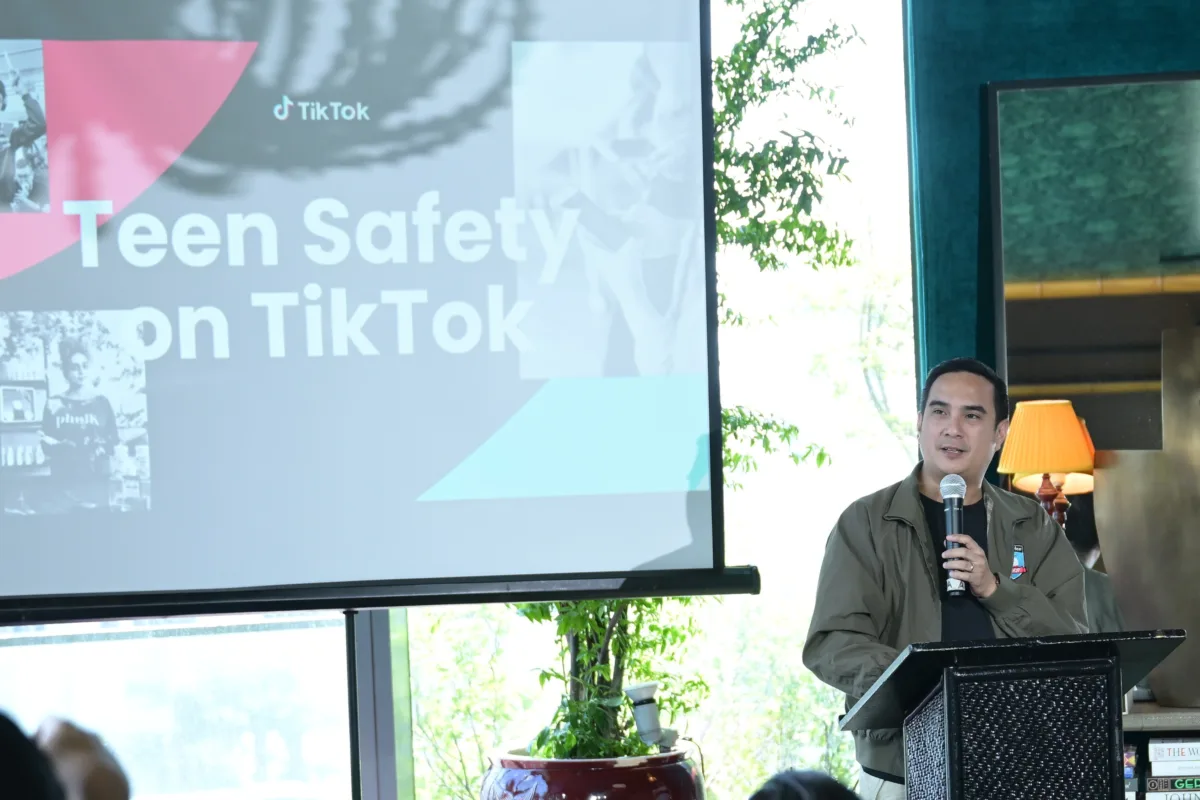
As concerns over youth safety and digital well-being continue to shape online discourse, TikTok is strengthening its technology stack to ensure that teenagers encounter safer, more age-appropriate online experiences.
Marking Safer Internet Day, the short-form video platform spotlighted a suite of more than 50 built-in teen safety features and introduced the #ThinkTwice Troop, a multi-stakeholder initiative that brings together child rights advocates and creators to promote responsible digital engagement.
Safety by design: Default protections built into teen accounts

At the core of TikTok’s youth safety strategy lies a layered system of default protections designed specifically for teen accounts.
These include private-by-default profiles, limits on direct messaging and comments, restrictions on content recommendations, and a 60-minute daily screen time threshold. Rather than relying on manual intervention, TikTok embeds these safeguards directly into its platform architecture, ensuring that younger users receive protection by design.
One of the platform’s most notable safety technologies is Family Pairing, a feature that links teen accounts with those of parents or guardians. Through this system, adults can customize privacy settings, gain visibility over followers, and receive alerts when teens submit reports. By integrating parental oversight tools into the app, TikTok aims to support guided digital use without fully restricting teen autonomy.
Smarter feeds and well-being tools powered by platform intelligence

TikTok has refined its content recommendation systems to give teens greater control over what appears on their For You Feed. Features such as Manage Topics allow users to adjust how frequently certain content categories surface, while Smart Keyword Filtering automatically removes videos containing selected words or phrases.
These tools rely on machine learning models that adapt in real time, helping teens avoid harmful or unwanted content while still enabling discovery and creativity.
Beyond content moderation, TikTok is investing in technologies that encourage healthier online habits. Its Time and Well-being hub centralizes features designed to reduce digital fatigue and promote mindfulness.
Teens can track usage patterns through a Screen Time Dashboard, participate in structured Well-being Missions, reflect using an Affirmation Journal, or decompress with a built-in Soothing Sound Generator.
Collaboration with advocates to shape safer digital ecosystems
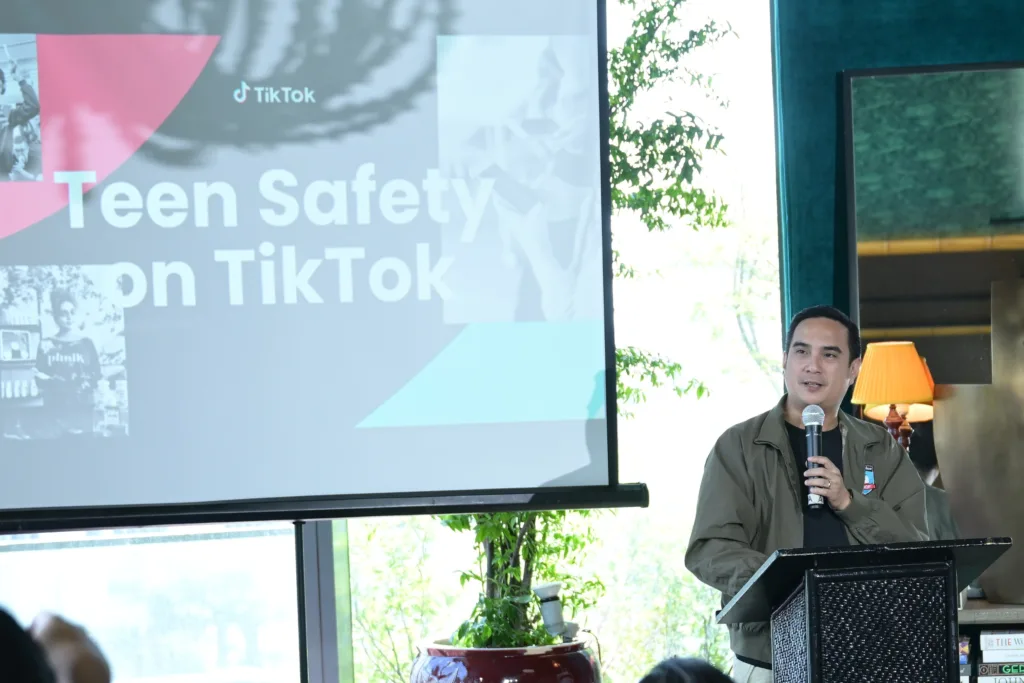
safeguards and safety features that promote digital well-being and responsible engagement.
Yves Gonzalez, Head of Public Policy for the Philippines at TikTok emphasized that TikTok views teens not only as users but as digital citizens. He noted that the platform continues to build safeguards that allow young people to explore, learn, and express themselves creatively, while also equipping parents with tools to engage in meaningful conversations about online behavior and boundaries.
To complement its technical safeguards, TikTok launched the #ThinkTwice Troop, an advocacy program that underscores the shared responsibility of keeping teens safe online. The initiative convenes child rights organizations, mental health professionals, and creators to exchange insights on emerging digital risks and opportunities.
Panelists from child rights groups stressed that teaching teens about privacy, data protection, and reporting mechanisms strengthens their ability to recognize harm, resist manipulation, and seek help. At the same time, they emphasized that platforms, institutions, and communities remain responsible for enforcing protections and responding swiftly to violations.
Together, TikTok’s expanding suite of safety technologies and its collaboration with youth safety advocates reflect a broader shift in how platforms address teen protection — placing technology, education, and shared accountability at the center of safer digital experiences.