


Financial technology firm Tala recently joined industry leaders in underscoring the importance of private sector innovation and “offline-first” solutions in overcoming connectivity barriers and advancing financial inclusion in the Philippines.
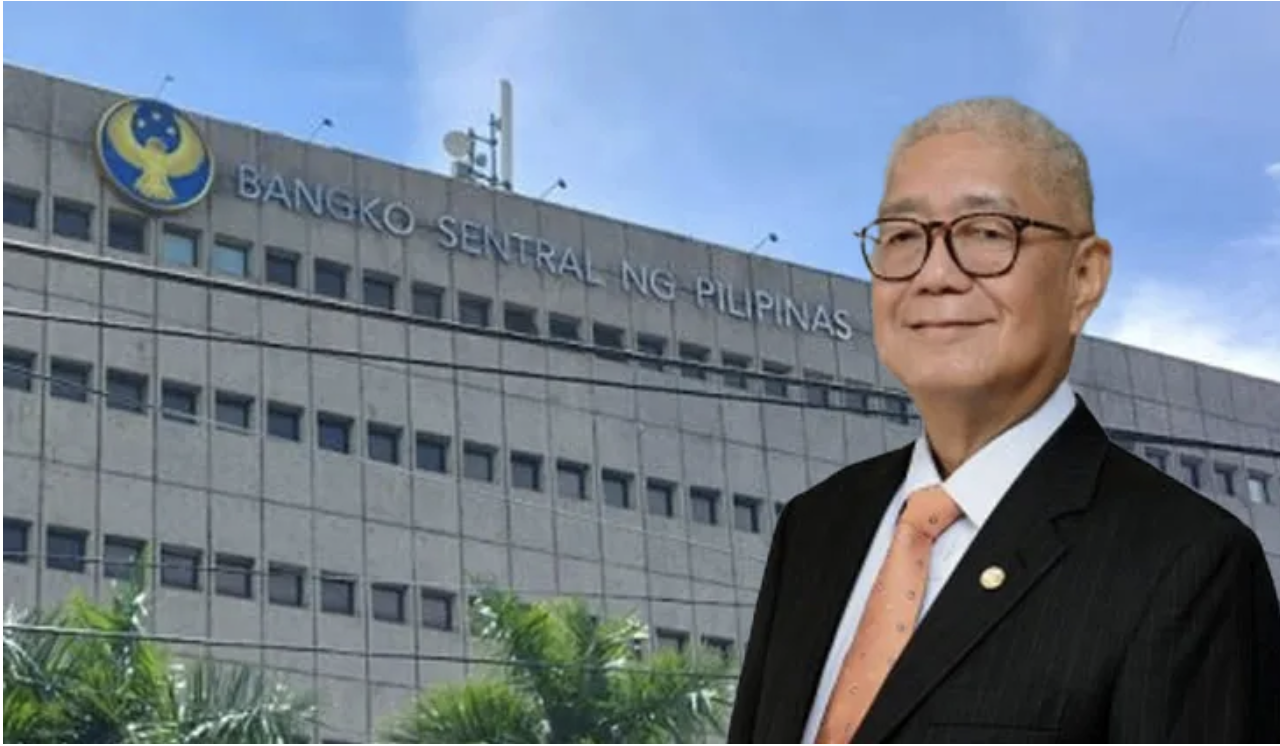
At the recent Money20/20 Philippines Summit, stakeholders from the Bangko Sentral ng Pilipinas (BSP), Rizal Commercial Banking Corporation (RCBC), Tala, and Fintech Alliance PH highlighted how weak and inconsistent internet connectivity continues to limit financial inclusion, despite rising digital adoption across the country.
They emphasized the need to shift focus from mere access to the consistent use of digital financial services, particularly in last-mile communities. Proposed solutions include offline-first innovations such as agency banking, low-bandwidth platforms, and strengthened digital public infrastructure, alongside Tala’s use of alternative data and mobile lending tools to expand credit access for unbanked Filipinos.
While mobile and digital penetration has improved, stakeholders noted that access alone does not guarantee meaningful usage. Instead, consistent and reliable connectivity is needed to enable secure and seamless financial transactions.
Connectivity gaps persist despite digital progress

IMAGE CREDIT: Getty images
According to Melchor Plabasan of the BSP, unstable internet connectivity presents both operational and regulatory challenges.
He noted that weak connections can disrupt transaction finality and complicate the implementation of security protocols for financial service providers. At the same time, regulators face difficulties extending access beyond urban centers.
Industry pushes ‘offline-first’ solutions
Private sector players are increasingly developing solutions designed for low-connectivity environments.
These include optimizing platforms for low bandwidth, expanding alternative payment channels, and deploying services in remote areas. Some online lending providers have also explored extending connectivity infrastructure to underserved communities.
Lito Villanueva of RCBC highlighted agency banking as a practical approach to bridging access gaps. Through partnerships with local businesses such as sari-sari stores, pawnshops, and logistics centers, financial institutions can extend basic services like cash transactions, bill payments, and loan disbursements to rural communities.
Digital public infrastructure seen as key enabler

IMAGE CREDIT: stock.adobe.com
For Arianne Ferrer of Tala, strengthening digital public infrastructure (DPI) is essential to enabling inclusive finance.
Ferrer said that improving access to reliable and standardized identity systems can help build trust and reduce fraud risks, particularly in low-connectivity environments.
“When the government facilitates simple, low-cost, and equitable access to information from IDs, it increases trust and brings more Filipinos into the formal financial ecosystem,” she said.
She added that a unified identification system could streamline verification processes and support more secure and accessible digital transactions.
Tala leverages alternative data for credit access

IMAGE CREDIT: Tala
Tala, which focuses on serving underserved and unbanked populations, is leveraging artificial intelligence and alternative data to expand access to credit.
Its platform uses behavioral and non-traditional data points to assess creditworthiness, enabling faster loan approvals through its mobile application. Users can access credit with minimal requirements — such as a valid ID and an Android device — with disbursement and repayment facilitated through both digital and physical partner channels.
The company also runs financial literacy initiatives, including its TALAkayan workshop series, aimed at promoting responsible borrowing, savings, and digital security.
Inclusion hinges on solving connectivity challenges

As digital finance adoption accelerates, industry players emphasized that addressing connectivity constraints will be critical to ensuring inclusive growth.
Tala is expected to further share insights at upcoming regional events, including Money20/20 Asia and Policy20 in Bangkok this April.
Stakeholders agree that bridging the country’s digital divide will require continued collaboration between regulators and the private sector, particularly in developing solutions that work even in low- or no-connectivity environments.