



The Philippine digital banking sector has emerged as a primary global testbed for financial innovation in 2026.
Driven by a mobile-first population and a proactive regulatory environment, the country is currently demonstrating how “virtual-only” lenders can scale in an emerging economy while navigating the path to profitability.
Demographic tailwinds and digital adoption

The Philippines’ status as a test market is underpinned by its demographic profile.
With over 80% of the population online and a median age under 30, mobile connectivity has surpassed 122% of the total population. This environment allowed digital bank deposits to exceed ₱100 billion by 2025, providing a massive data set for overseas investors and local fintech players.
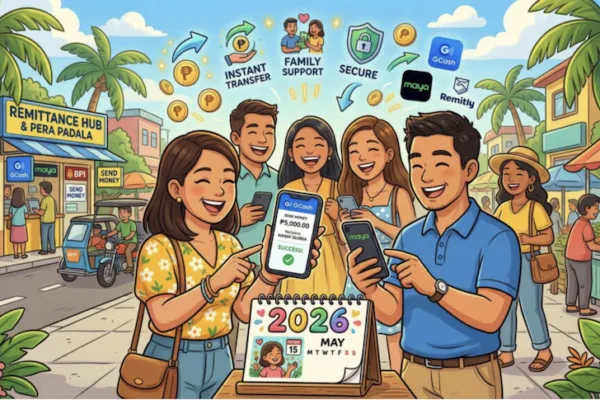
For the country’s Overseas Filipino Workers (OFWs), the stakes are particularly high. In 2025, remittances reached a record US$35.6 billion, a 3.3% year-on-year increase.
Analysts project a further 3% growth in 2026, totaling approximately US$36.6 billion. Digital platforms like Maya and GCash are increasingly capturing this flow, offering lower transaction costs compared to traditional remittance corridors, especially as users seek to mitigate the impact of new international tax regulations.
Regulatory evolution: The BSP’s strategic roadmap
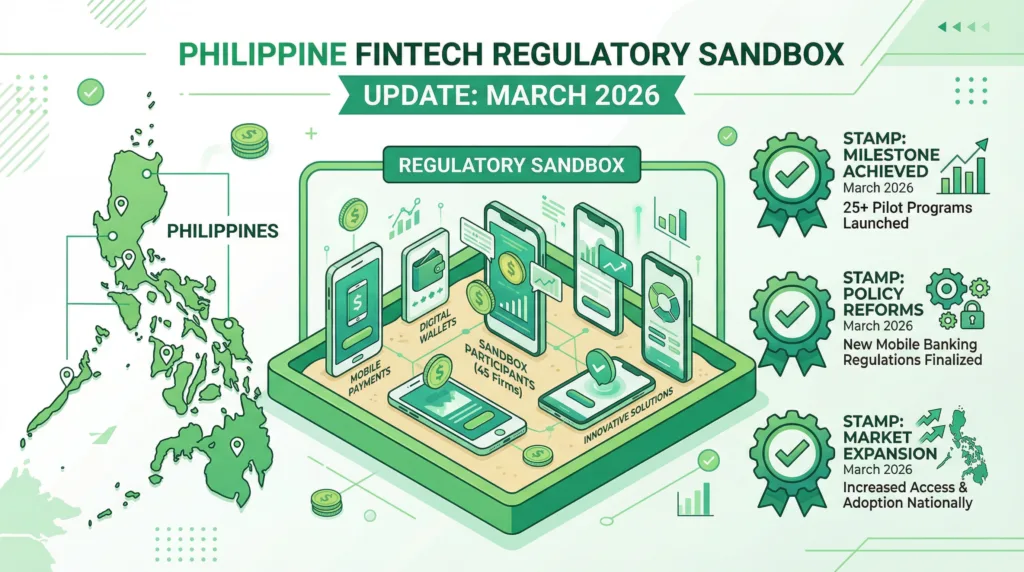
The Bangko Sentral ng Pilipinas (BSP) remains the primary architect of this “regulatory sandbox” approach. After lifting the moratorium on digital banking licenses in late 2024, the BSP is currently processing applications for four additional slots, bringing the potential total to 10 banks by mid-2026.
Key regulatory developments in Q1 2026 include:
- Rural bank digitization: In February 2026, the BSP concluded feedback on proposed capital requirements for rural banks. Under the new draft, rural banks with more than 30% of their customer base outside their home region may be required to increase their capital to ₱1 billion, aligning them with full digital banking standards.
- Open finance framework: The continued rollout of data-sharing protocols is allowing third-party apps to integrate more deeply with traditional institutions like Security Bank and UnionBank.
- Cross-border connectivity: By July 2026, a new instant cross-border payment system is expected to launch, further bypassing traditional SWIFT complexities for migrant workers.
The profitability frontier
While the market is expanding, the “test” remains centered on financial sustainability. As of late 2025, only Maya Bank(reporting a ₱73 million profit) and OFBank (₱86 million) have achieved net profitability.
Other players are approaching critical milestones in the first half of 2026:
- UNO Digital Bank is targeting breakeven within Q2 2026.
- GoTyme and Tonik continue to aggressively pursue credit-led growth to offset high customer acquisition costs.
- UnionDigital is leveraging blockchain and stablecoin integration to facilitate liquidity in rural areas.
Risks and the “human element”

The rapid expansion has not been without friction. High operational costs related to cybersecurity and customer education remain a significant drag on earnings.
For consumers, the rise of AI-driven social engineering and deepfake fraud has necessitated a shift toward multi-factor authentication and real-time behavioral monitoring.
As the BSP continues to sift through new license applications this March, the Philippine “playground” is proving that while technology can drive inclusion, the ultimate success of digital banking depends on balancing aggressive growth with rigorous risk management and consumer trust.
Wrapping up: A spot for tests with real impact
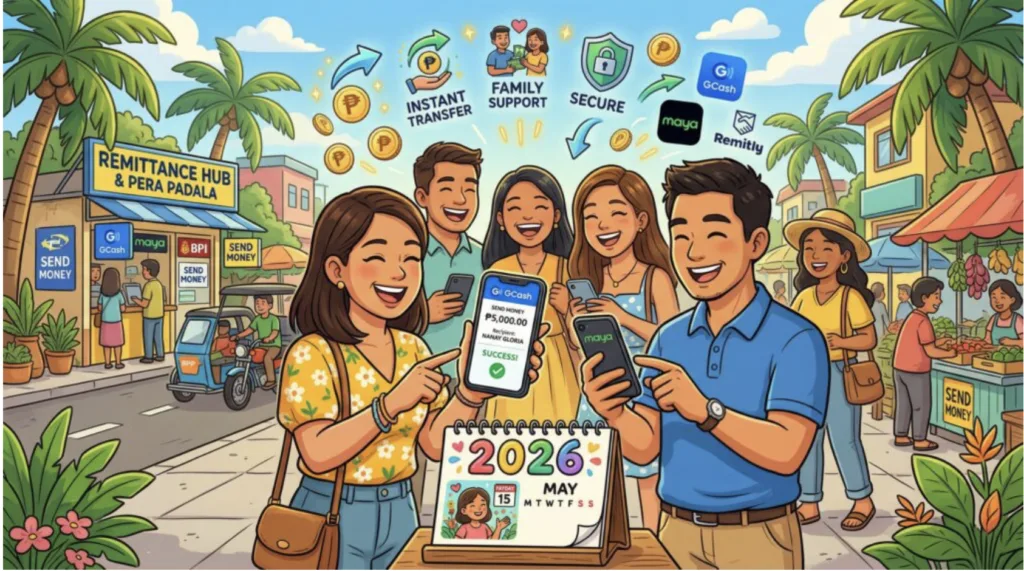
The Philippines as a digital banks test market in March 2026? It’s our mobile ways plus BSP’s open rules driving it.
For OFWs, cheaper sends; for beginners, simple starts. But mind the profitability hurdles and risks — don’t dive in without checking. I’ve mixed GCash with Security Bank, and it fits me. If you’re starting, try a basic app and build from there.
You tried any? Share below — let’s swap stories!
Sources
- Digital 2026: The Philippines – datareportal.com/reports/digital-2026-philippines
- Philippine digital bank deposits reached nearly P139B in 2025 – business.inquirer.net/576494/ph-digital-bank-deposits-reached-nearly-p139b-in-2025
- Remittances reach record high $35.6 billion – philstar.com/business/2026/02/17/2508451/remittances-reach-record-high-356-billion
- 2026 U.S. Remittance Tax Guide: 1% Fee Rules & Exemptions – westernunion.com/blog/en/us-remittance-tax
- Revolut could secure a digital banking license in the Philippines… – linkedin.com/posts/marcelvanoost…
- Boardroom Tea: A fintech storm is brewing as the BSP tightens… – abs-cbn.com/news/business/2026/2/26/a-fintech-storm-is-brewing-2005
- BSP to implement 24/7 payment system in 2026 – bworldonline.com/top-stories/2025/11/12/711533/bsp-to-implement-24-7-payment-system-in-2026
- Fintech Laws and Regulations 2025 | Philippines – globallegalinsights.com/practice-areas/fintech-laws-and-regulations/philippines
- Maya posts P1.7 billion profit in 2025 – philstar.com/business/2026/03/01/2511104/maya-posts-p17-billion-profit-2025
- Philippines’ digital banks chase profits as regulator ups the stakes – businesstimes.com.sg/companies-markets/banking-finance/philippines-digital-banks-chase-profits-regulator-ups-stakes
- Digital banks face profitability concerns with new players… – bworldonline.com/banking-finance/2026/01/20/725076/digital-banks-face-profitability-concerns-with-new-players-to-intensify-competition
- GCash loans surge 65% to P362 billion in 2025 – philstar.com/business/2026/02/10/2506874/gcash-loans-surge-65-p362-billion-2025
- Filipino banks plan to launch multi issuer stablecoin PHPX on Hedera DLT – ledgerinsights.com/filipino-banks-plan-to-launch-multi-issuer-stablecoin-phpx-on-hedera-dlt
- Half of Filipinos still unbanked despite digital boom – study – philstar.com/business/2025/08/31/2469245/half-filipinos-still-unbanked-despite-digital-boom-study