




In recent years, a new force has quietly been reshaping how businesses and regulators approach compliance in the Philippines: RegTech, short for Regulatory Technology.
Unlike flashy fintech startups that dominate headlines with new banking apps or digital wallets, RegTech operates behind the scenes, using advanced technology to streamline regulatory processes, enhance transparency, and reduce operational risks.
Though its presence is subtle, its impact is beginning to be felt across industries — from banking and insurance to capital markets and public sector institutions.
Understanding RegTech: More than just a buzzword
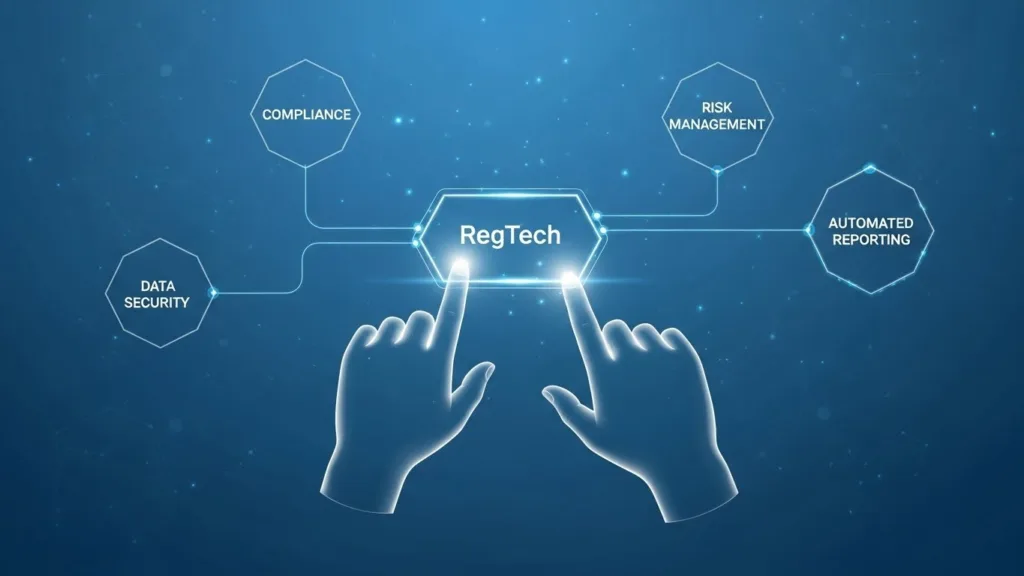
RegTech is not just another tech trend. At its core, it represents the convergence of regulation and technology: tools designed to help businesses comply more efficiently with rules and standards, while simultaneously providing regulators with better data and insights. In practice, this can mean automated reporting systems, AI-powered fraud detection, digital identity verification, or real-time monitoring platforms.
For companies in highly regulated sectors, such as financial services, the stakes are high. Non-compliance can result in hefty fines, reputational damage, or even license revocation. Traditional compliance processes—manual reporting, paper-based audits, and siloed systems—can be slow, error-prone, and costly. RegTech solutions aim to solve these challenges by automating repetitive tasks, enhancing accuracy, and providing a real-time view of compliance status.
For regulators, RegTech provides a clearer picture of market behavior. It allows authorities to spot trends, detect irregularities, and enforce rules more efficiently without relying solely on periodic audits or reports.
In short, RegTech can make regulation more proactive rather than reactive — a critical advantage in a fast-evolving digital economy. They are no longer just optional enhancements — they are operational necessities in a climate of rising regulatory expectations.
This is especially evident as financial institutions start adopting secure digital onboarding and identity verification — a trend explored in FintechNewsPH’s deep dive on “Why digital identity is critical to fintech growth in the Philippines.”
The Philippine context: A market poised for growth
The rise of RegTech in the Philippines has been quiet but steady. While the sector is still nascent compared to more mature markets in Europe or Southeast Asia, several factors are fueling its growth.
First, the regulatory environment has become increasingly supportive of innovation. Institutions like the Bangko Sentral ng Pilipinas (BSP) have actively promoted digital transformation in the financial sector. Initiatives such as digital banking, e-KYC (electronic Know Your Customer) processes, and risk-based supervision have laid the groundwork for RegTech adoption, making the market more receptive to technology-driven compliance solutions.
Second, local businesses are under growing pressure to manage compliance efficiently. Stricter anti-money laundering rules, cybersecurity requirements, and reporting standards mean that traditional manual processes are no longer enough.
As FintechNewsPH highlighted in its coverage of “Skyro taps advanced AI for simpler, safer financial access in the Philippines,” automation is now central to managing systemic risk and maintaining trust in digital financial services.
For companies, RegTech offers a way to meet regulatory demands without ballooning costs, while ensuring accuracy, speed, and real-time visibility into compliance status.
Finally, the broader fintech boom in the Philippines is creating a tech-savvy ecosystem. Startups, investors, and financial professionals are increasingly aware of regulatory pain points and opportunities for innovation. This has sparked a growing community of RegTech innovators, often collaborating with traditional banks or partnering with global providers to bring best practices to the local market.
In this particular environment, the Philippines is quietly building the foundations for a robust RegTech landscape — one that could transform compliance from a burdensome obligation into a strategic advantage for both businesses and regulators.
Key RegTech applications in the Philippines
While the sector is still emerging, several RegTech applications are gaining traction in the Philippines:
- Anti-Money Laundering (AML) and Fraud Detection – Financial institutions are using AI and machine learning to detect suspicious transactions in real time. This reduces manual oversight while ensuring faster reporting to regulatory authorities.
- Digital Identity Verification – With the rise of digital banking and e-wallets, verifying customer identities securely and efficiently is crucial. RegTech solutions enable e-KYC, biometrics, and document verification without requiring customers to visit physical branches.
- Automated Reporting – Banks and other regulated entities can submit compliance reports automatically, reducing errors and administrative burdens. This also allows regulators to access real-time data, improving oversight.
- Risk Management and Monitoring – AI-driven platforms can flag potential risks before they escalate, helping firms anticipate issues related to credit, liquidity, or operational vulnerabilities.
These applications not only benefit businesses but also improve regulatory oversight, creating a win-win scenario for both sides of the compliance equation.
Challenges slowing RegTech adoption
Despite its promise, RegTech adoption in the Philippines is not without challenges.
1. Limited Awareness – Many smaller firms are still unfamiliar with RegTech solutions or perceive them as complex and costly. Education and awareness campaigns are needed to showcase practical benefits.
2. Integration with Legacy Systems – Many institutions still rely on older IT infrastructure. Integrating advanced RegTech tools with these systems can be technically challenging and resource-intensive.
3. Data Privacy Concerns – Handling sensitive customer and financial data requires strict compliance with data protection laws, adding another layer of complexity for RegTech providers and users alike.
4. Regulatory Alignment – While regulators are increasingly supportive, clear guidelines on RegTech standards and expectations are still evolving. Policymakers must ensure that frameworks are flexible enough to encourage innovation while maintaining robust safeguards.
Why policymakers should pay attention
For policymakers, the rise of RegTech presents both an opportunity and a responsibility. On one hand, technology can help regulators enforce compliance more efficiently, reduce systemic risk, and promote a fair, transparent market.
On the other, rapid technological changes demand that regulations evolve without stifling innovation.
Policymakers can play a pivotal role by:
- Encouraging Collaboration – Facilitating partnerships between startups, banks, and regulators can accelerate the adoption of effective RegTech solutions.
- Providing Clear Guidelines – Establishing standards for data security, reporting, and system integration will reduce uncertainty for businesses considering RegTech solutions.
- Investing in Capacity Building – Regulators need to develop digital literacy and analytical capabilities to make full use of the data generated by RegTech platforms.
- Promoting Innovation-Friendly Policies – Sandbox initiatives and pilot programs can allow firms to test RegTech solutions in a controlled environment before scaling nationwide.
By taking these steps, policymakers can ensure that RegTech contributes not just to better compliance, but to a healthier, more resilient financial ecosystem.
The road ahead: A quiet revolution
RegTech may not dominate headlines in the Philippines today, but its impact is quietly growing.
As financial institutions, insurers, and capital market players embrace technology to manage compliance risks, regulators are gaining more timely insights into market behavior. This dual benefit strengthens the overall financial system, protects consumers, and fosters confidence in the country’s digital economy.
Looking ahead, the sector’s growth will likely accelerate as technology becomes more accessible and awareness increases. Global best practices—from AI-driven compliance in Europe to blockchain-based monitoring in Asia — can provide valuable lessons for the local market.
For the Philippines, RegTech represents a chance to leapfrog traditional compliance methods, making regulation smarter, faster, and more effective.
In a country where digital transformation is reshaping every aspect of business and finance, RegTech may be quiet, but its rise is significant. For policymakers, understanding and supporting this emerging sector could be the difference between reactive regulation and proactive governance—ultimately shaping the future of the Philippine economy in the digital era.