



As the Philippines embraces digital transformation, the fintech industry is on the brink of rapid expansion by 2026. With fintech becoming a bigger part of everyday life for Filipinos, trends like AI-driven services and mobile payments are set to reshape the financial landscape.
According to Statista, booming digitalization and increased government support have given rise to an emerging financial technology (FinTech) industry.
In recent years, the Philippines has seen a surge in fintech startups, with two even achieving unicorn status in the past two years. The industry is expected to keep expanding, driven by growing interest in digital financial services, stronger cybersecurity measures, and an increasing focus on financial literacy.
As mobile payments gain ground, data privacy frameworks evolve, and the demand for inclusive financial solutions grows, the future of fintech in the Philippines looks both dynamic and transformative.
Here’s a closer look at the key trends that will shape the Philippine fintech market by 2026:
1. Dominance of digital payments and e-wallets

The Philippines has traditionally been a cash-heavy economy, but by 2026, that’s expected to change significantly.
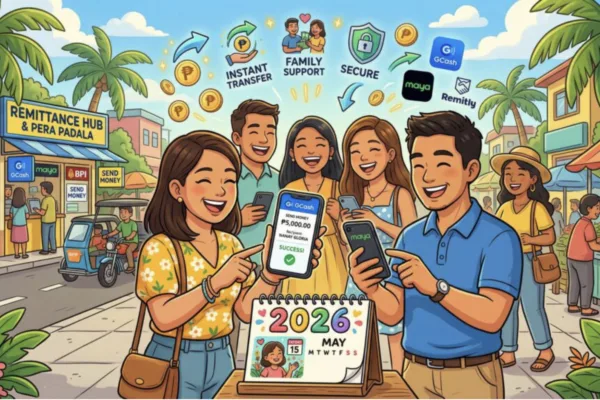
Mobile wallets such as GCash and Maya are predicted to reach over 100 million users, becoming essential for everyday transactions. Already, digital wallets are being used for everything from paying bills to buying groceries, and this trend is set to continue growing.
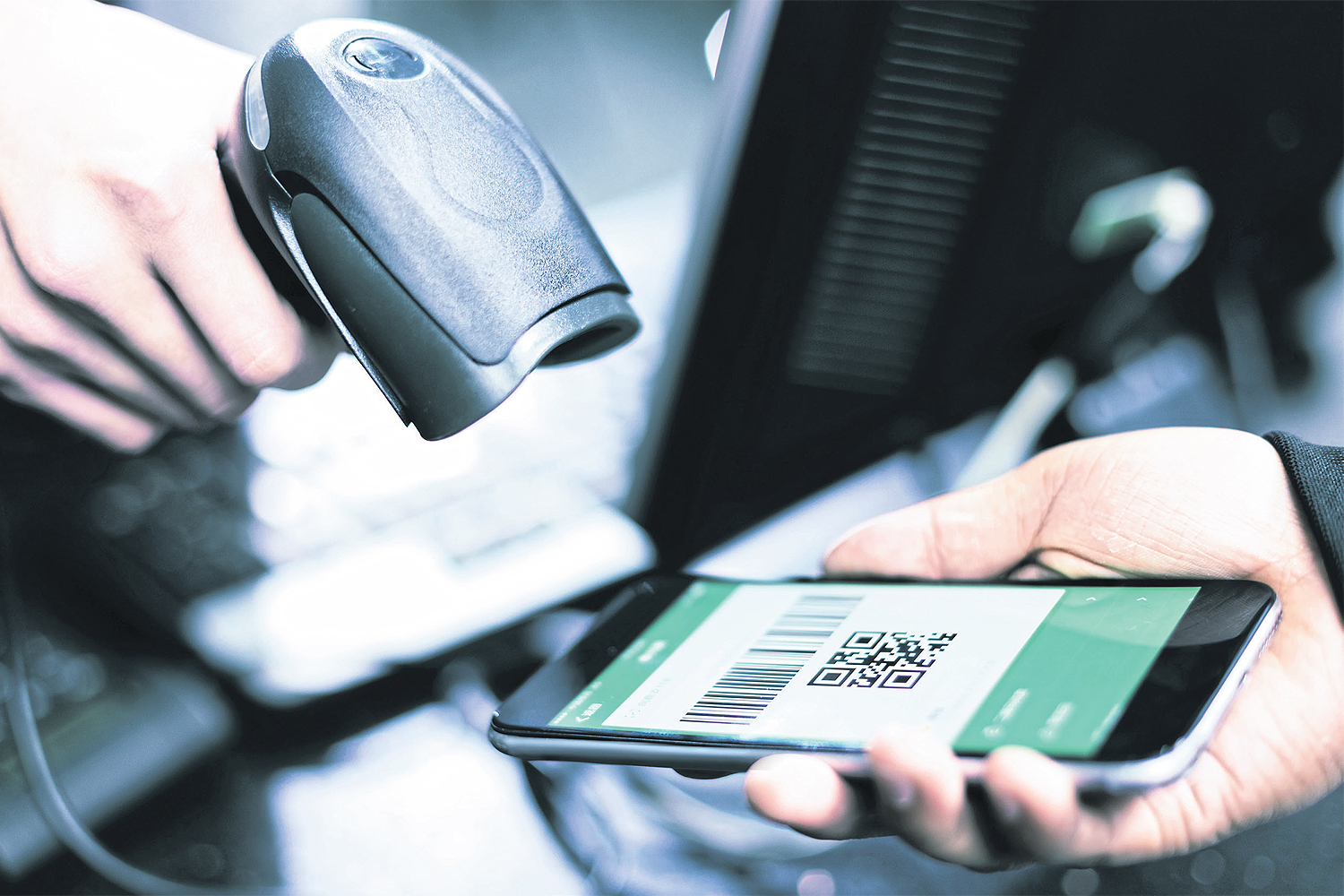
By 2026, QR code payments will be commonplace, enabling quick and seamless transactions both online and in-person. This transition is not only technological but cultural. Mobile payments are no longer just for tech-savvy users.
As smartphones become more affordable and data plans more accessible, even rural populations will increasingly adopt mobile payments, cementing the Philippines as a digital-first economy.
Why it matters:
The surge in digital payments will drive financial inclusion, particularly for the unbanked. With around 70% of Filipino adults still without a bank account, mobile payments are helping integrate more people into the formal financial system.
While digital payments are rapidly becoming the norm, another key area of growth for the Philippines is the cross-border payments market. With millions of Filipinos working abroad, remittances play a major role in the economy.
2. Cross-border payments and the remittance revolution
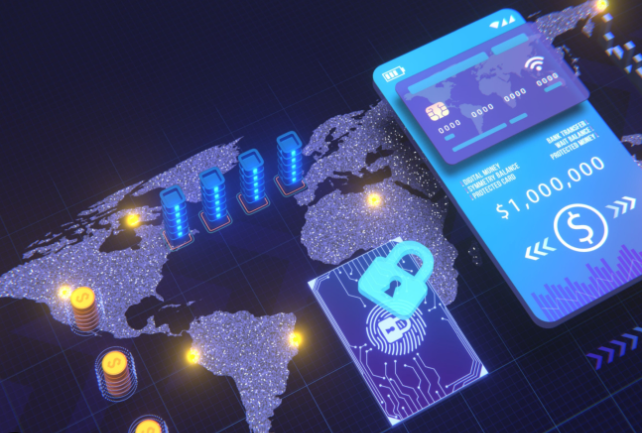
One of the most crucial trends in Philippine fintech is the evolution of cross-border payments, especially given the Philippines’ status as one of the world’s largest remittance recipients.
According to the Bangko Sentral ng Pilipinas (BSP), remittances accounted for nearly 9% of the country’s GDP in 2023.
In 2026, the BSP is expected to launch an instant cross-border payment system that will revolutionize how Filipinos abroad send money home. This new system aims to reduce transfer costs, increase transparency, and better integrate remittances into the domestic digital economy.
By simplifying the remittance process, this initiative will not only stimulate economic activity but also ensure more Filipinos are connected to the digital financial ecosystem.
Services like GCash, which already allows OFWs (Overseas Filipino Workers) to send money home, will likely expand their cross-border payment options.
Why it matters:
Faster, cheaper, and more transparent remittances will bring long-term economic benefits and strengthen trust in digital payment systems, pushing further digital transformation in sectors like lending and savings.
3. AI and Machine Learning in financial services

AI and machine learning are no longer just experimental technologies — they’re becoming essential tools in financial services. By 2026, AI will be embedded in nearly every aspect of fintech, from fraud detection and underwriting to creating personalized financial products.
Currently, AI is primarily used for customer service (like chatbots) and fraud prevention. However, as agentic AI — systems that autonomously make decisions based on real-time data — advances, fintech companies will be able to personalize services in ways that were previously unimaginable.
For example, AI could analyze consumer behavior to adjust credit limits or create customized investment portfolios. At the same time, regulators will use AI tools to enhance RegTech, automating compliance and reducing operational risks for financial institutions.
Why it matters:
AI will improve efficiency, reduce costs, and offer more tailored services. However, it also raises important questions about transparency, accountability, and data privacy. As AI makes more decisions, establishing ethical frameworks and governance will become crucial.
4. The rise of open finance and data ownership
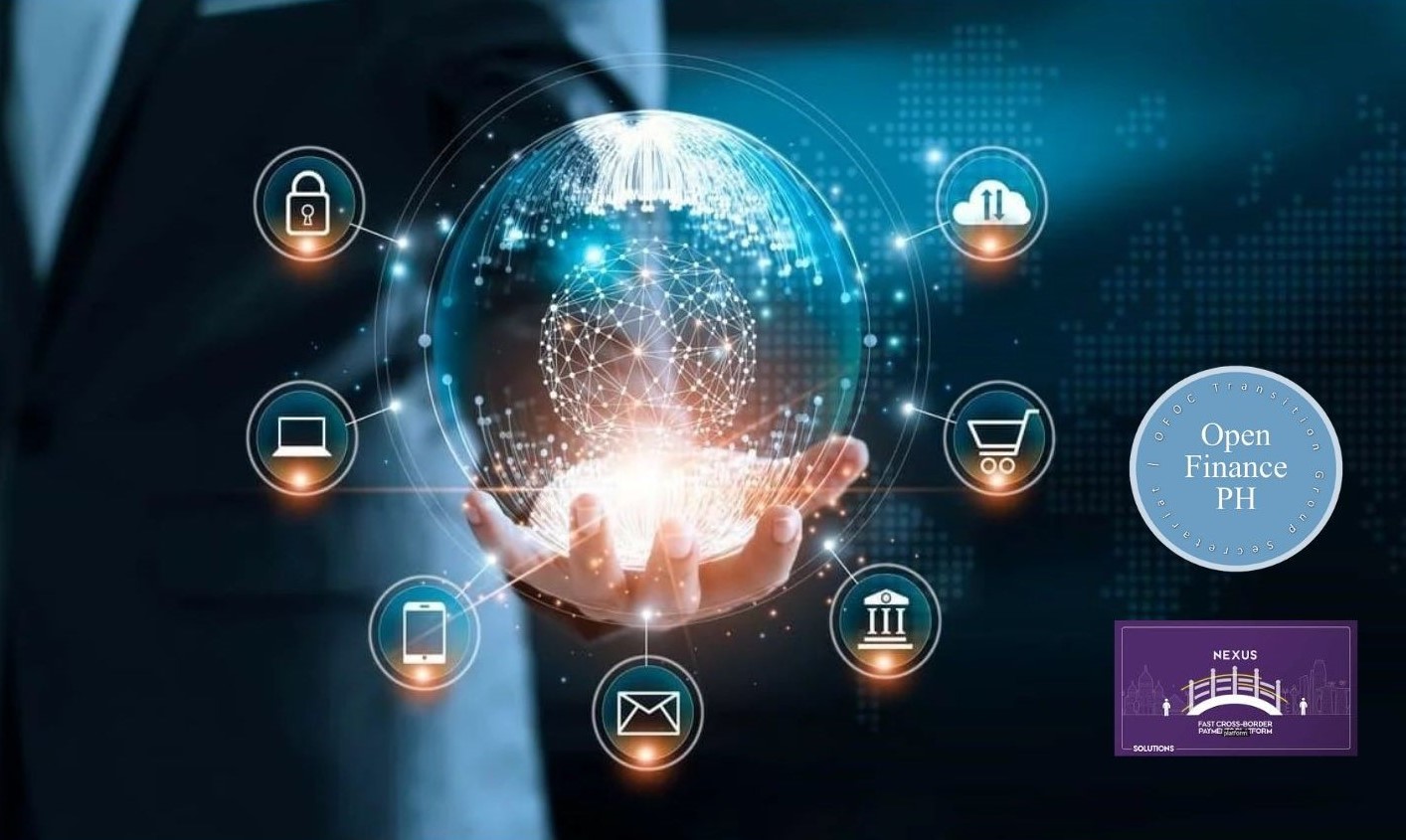
As digital finance becomes more integrated, open finance is set to become a key trend by 2026.
Open finance involves sharing financial data across platforms with user consent, enabling more personalized services. The Philippines is likely to adopt this model, giving consumers more control over their financial data and allowing them to share it between banks, fintech platforms, and other institutions.
Powered by open banking APIs and strong consent frameworks, this shift will empower consumers while ensuring transparency and security.
For fintech firms, data will no longer just be a byproduct of user activity — it will become an active asset. Platforms that manage data responsibly will build consumer trust and deliver more relevant financial solutions.
Why it matters:
Data ownership will be the foundation of a more inclusive and personalized financial ecosystem. In an era of growing privacy concerns, the companies that succeed will be those that can effectively manage and protect data, balancing innovation with ethical use.
5. Embedded finance everywhere
By 2026, embedded finance will go beyond traditional fintech sectors and integrate more deeply into non-financial industries such as e-commerce, retail, and social media platforms.
From seamless payments to lending and insurance, financial products will be embedded directly within apps and services consumers already use.
For instance, platforms like Shopee and Lazada might offer financing options at checkout, while food delivery apps could start offering insurance or loan services.
These integrations, powered by the growing demand for convenience, will make financial services feel like a natural part of daily life.
Why it matters:
Embedded finance will remove friction by providing financial products exactly when and where consumers need them. This approach will not only increase accessibility but also create new revenue streams for non-financial businesses, fostering a more connected and efficient economy.
6. InsurTech and wealthTech on the rise

While payments and lending have dominated the fintech scene in the Philippines, InsurTech (insurance technology) and WealthTech (wealth management technology) are expected to see significant growth by 2026.
Insurance companies are already leveraging digital platforms to offer micro-insurance products, tailoring policies to a broader customer base. For example, Maya is offering life insurance policies directly through its app, while companies like Singlife are using technology to streamline underwriting processes.
Similarly, WealthTech platforms will make investment options more affordable and accessible, from robo-advisors to peer-to-peer lending. In a country where many are unfamiliar with investment tools, these platforms will help democratize access to wealth management services.
Why it matters:
As more Filipinos become digitally savvy, demand for inclusive financial products like insurance and investments will rise. Financial literacy campaigns will play a key role in helping consumers understand and adopt these products.
7. Cybersecurity and biometric authentication

As digital payments become more prevalent, cybersecurity will be more critical than ever.
By 2026, expect to see the rise of advanced biometric authentication methods, including fingerprint scans, facial recognition, and behavioral biometrics — technologies already being utilized by companies like Appdome.
These technologies will help reduce fraud and improve security, making digital transactions safer. Additionally, AI-powered threat detection systems will help institutions stay ahead of cybercriminals by analyzing patterns in real-time and preventing fraud before it happens.
Why it matters:
As digital transactions increase, so will fraud risks. Robust cybersecurity measures will be essential to earning and maintaining consumer trust. Institutions that adopt cutting-edge security solutions will be better positioned to succeed in 2026.
Conclusion
The future of fintech in the Philippines looks bright, with innovations in digital payments, AI, and open finance laying the groundwork for transformative changes in the coming years.
By 2026, financial services will be seamlessly integrated into the daily lives of Filipinos, enabling more personalized, secure, and accessible experiences.
However, as these advancements unfold, it will be crucial for regulators, fintech companies, and consumers to prioritize transparency, security, and trust to ensure that the digital financial ecosystem remains inclusive and responsible.
With these trends in mind, the Philippines is on track to become a leader in fintech innovation, driving an inclusive, transparent, and sustainable digital economy for all. And as these trends unfold, it’s clear that fintech’s role in the Philippines will only continue to grow — empowering Filipinos to access new financial opportunities.
The future of digital finance is here, and it’s shaping up to be an exciting ride.