


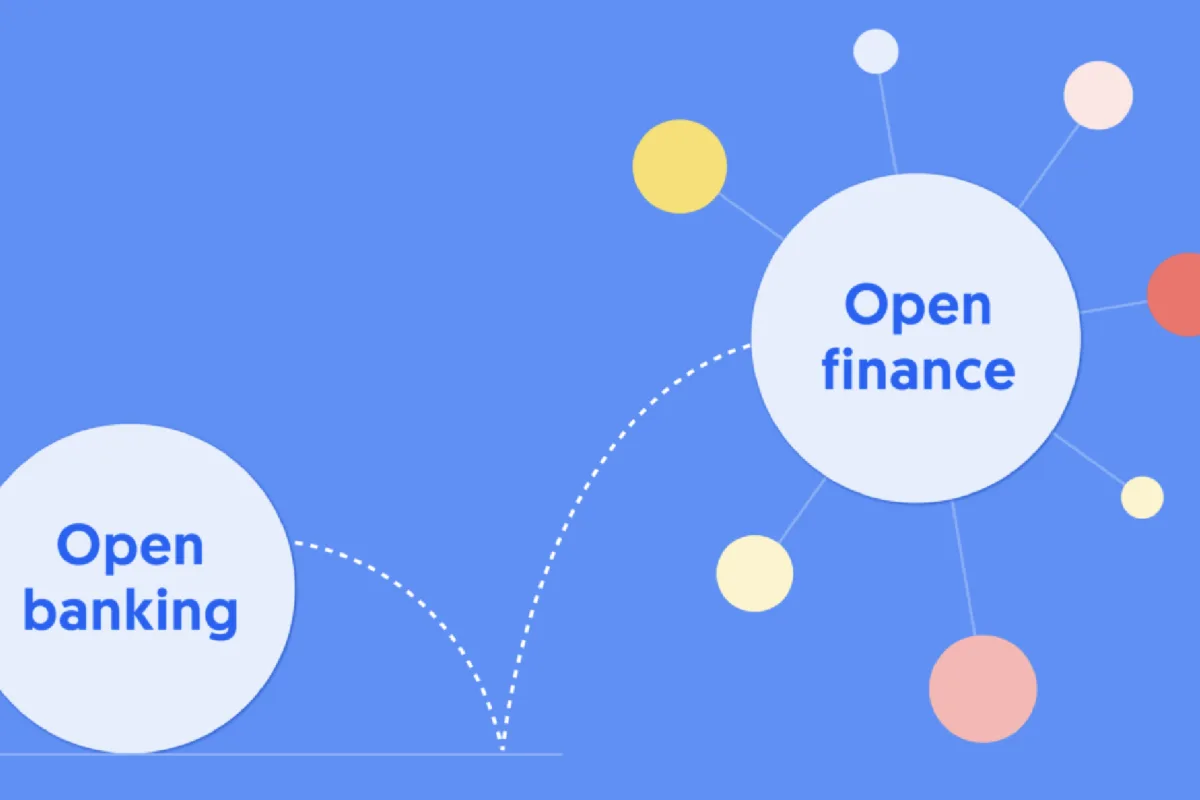
In the Philippines, open finance has become a familiar buzzword at fintech conferences, in regulatory discussions, and across industry newsletters.
Banks and fintech startups alike tout APIs, data portability, and interoperability as the next frontier of financial innovation.
Yet for most users, the experience remains largely invisible. Even apps that claim to offer open finance capabilities often provide little tangible evidence of data sharing beyond basic account aggregation.
Despite this, the Bangko Sentral ng Pilipinas (BSP) has rolled out the Open Finance PH Pilot, a voluntary initiative exploring secure, API-driven financial data sharing between banks and fintech firms (IFC, 2023).
This raises a question that has lingered for years: if open finance is supposedly here, why does it still feel more like a vision than a lived reality?
What open finance is meant to enable
At its core, open finance aims to enable secure, consent-driven sharing of financial data across institutions. According to the BSP, this framework allows financial institutions and third-party providers to deliver services while giving consumers greater control over their information.
In theory, open finance should enable smarter lending decisions, improved budget management, cross-platform insights, and products that respond more precisely to consumer needs.
In practice, however, the Philippine experience has been more subdued. APIs exist, but adoption remains uneven. Standards are fragmented, and many promised integrations are either slow to materialize or confined to pilot programs.
Even among apps participating in the BSP pilot, the seamless data portability envisioned under open finance remains largely invisible to users.
Regulatory support exists — but stops short of enforcement
The BSP has signaled support for open finance through consultations, innovation frameworks, and sandbox initiatives. These efforts reflect a recognition of the importance of interoperable financial systems.
However, participation in the Open Finance PH Pilot, governed by Circular No. 1122, remains voluntary. There are limited mechanisms to compel banks or fintech firms to share data in a standardized and consistent manner.
The result is an environment where experimentation is encouraged, but large-scale interoperability remains elusive. Institutions can test integrations and collaborate, yet without regulatory mandates, progress remains uneven and inconsistent.
API adoption: progress without momentum
APIs are the backbone of open finance, but in the Philippines, adoption has been uneven.
Large banks often maintain proprietary systems, exposing only limited endpoints for third-party integration. Fintech firms, meanwhile, frequently rely on workarounds such as screen scraping or bilateral partnerships to access financial data.
Even when fintechs actively participate — such as Xendit acting as both an API provider and user in the BSP pilot — much of the progress occurs behind the scenes. Consumers rarely encounter the seamless interoperability that open finance promises, underscoring the gap between policy ambition and user experience.
Why data sharing remains limited
The barriers to open finance in the Philippines extend beyond technical challenges. Incentives remain misaligned: banks bear much of the operational and compliance risk, while fintechs stand to capture a significant share of the upside from data-driven products.
Trust gaps, legacy infrastructure, and cautious risk management further slow adoption.
While regulators can encourage experimentation, without stronger alignment of incentives, open finance is likely to remain fragmented, largely invisible to consumers, and limited to narrow use cases. Initiatives such as the Open Finance PH Hackathon suggest collaboration is taking place, but mostly at the prototyping and experimental stage.
Quiet progress — largely out of sight
Despite these challenges, open finance is not entirely absent. Pilot programs and selective integrations indicate that progress is being made, albeit quietly. Most advancements remain concentrated in B2B contexts, with limited visibility for everyday users.
At the same time, the BSP’s broader strategy includes frameworks that extend open finance to pensions, investments, and other financial products — signaling a longer-term vision for a more interconnected financial ecosystem.
Whether these incremental steps will translate into meaningful, consumer-facing utility remains an open question.
From policy vision to everyday utility
Open finance in the Philippines currently sits between aspiration and execution. Regulatory frameworks are in place, pilot programs are ongoing, and APIs are slowly gaining traction — yet tangible benefits for consumers remain limited.
For open finance to move from policy vision to practical tool, stakeholders will need to better align incentives, standardize systems, and deliver clear, visible value to users. Until then, it is likely to remain more discussed than experienced — a promising concept still searching for everyday relevance.