



The Philippine economy may be on track for a measured recovery in 2026, supported by easing inflation, a more accommodative policy environment, and improving global conditions, according to research from Metropolitan Bank & Trust Co. (Metrobank).
The outlook follows a volatile 2025 marked by global uncertainties, including policy shifts in the United States and weaker-than-expected domestic growth, which weighed on investor sentiment and pushed the peso to historically weak levels.
Despite these headwinds, Metrobank expects conditions to stabilize this year, with both global and local economies showing early signs of recovery.
Inflation within target supports policy easing
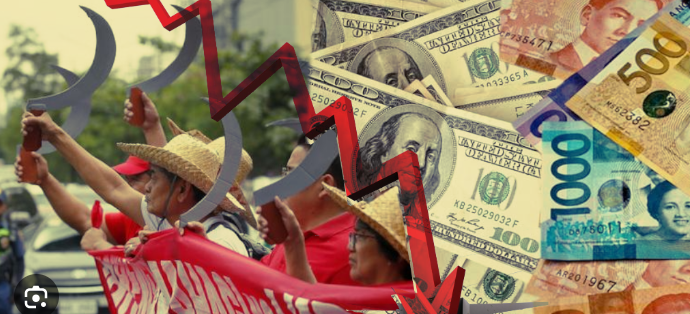
IMAGE CREDIT: pinsdaddy.com
A key driver of this outlook is inflation, which has started 2026 firmly within the Bangko Sentral ng Pilipinas’ (BSP) target range.
Headline inflation rose slightly to 2% year-on-year in January from 1.8% in December, while core inflation climbed to 2.8%, signaling early demand normalization as economic activity picks up.
Metrobank noted that price pressures were largely driven by higher housing and utility costs, including electricity and rental adjustments outside Metro Manila.
Meanwhile, food inflation remained subdued at 1.1%, supported by lower prices across key food items and continued rice deflation.
“While inflation is moving higher from recent lows, it remains well-anchored within the central bank’s target,” the bank said, noting that this gives policymakers room to sustain growth-supportive measures.
For 2026, Metrobank maintained its inflation forecast at 3.3%, with expectations of stronger demand in the second half of the year balanced by still-moderate consumer spending and supply-side factors such as eased rice import restrictions.
BSP seen extending rate cuts
With inflation under control, Metrobank expects the BSP to continue its easing cycle throughout 2026.
The bank projects a cumulative 50 basis points in policy rate cuts this year, bringing the reverse repurchase (RRP) rate to around 4% by end-2026. This comes as the central bank seeks to strike a balance between supporting economic growth and maintaining price stability.
Globally, the US Federal Reserve is also expected to move toward further monetary easing, with Metrobank forecasting a total of 100 basis points in rate cuts, potentially bringing the Fed Funds Rate to a range of 2.50% to 2.75% by year-end.
This synchronized easing cycle could help improve liquidity conditions, although the expected strengthening of the US dollar may continue to put pressure on the peso.
Growth outlook improves, but risks remain

On the domestic front, Metrobank sees a gradual normalization of economic fundamentals after a weaker-than-expected performance in 2025.
Gross domestic product (GDP) growth slowed significantly last year, weighed down by reduced government spending, softer private consumption, and broader uncertainties that dampened business and consumer confidence.
However, the bank expects a rebound in 2026, driven by improved fiscal spending, increased investment activity, and a pickup in household consumption.
Government spending is projected to recover following a period of fiscal restraint, while anticipated cash transfers could help boost consumer demand. At the same time, easing interest rates are expected to support borrowing and investment.
Still, Metrobank cautioned that the recovery may be gradual, with gains potentially capped by elevated household debt levels and lingering sentiment issues linked to domestic and global uncertainties.
Peso weakness and external pressures
The peso is likely to remain under pressure in the near term, amid expectations of a stronger US dollar and a still-wide current account deficit.
While resilient exports may help narrow the deficit, Metrobank said this could be offset by external factors such as higher import costs and global trade dynamics.
As a result, the bank has revised its dollar-peso outlook upward, anticipating weaker local currency levels throughout the year.
A more constructive 2026

Overall, Metrobank said 2026 presents a more constructive macroeconomic backdrop compared to the previous year.
Easing inflation, continued policy support, and improving global conditions are expected to provide a foundation for recovery, even as risks persist.
“While challenges remain, particularly on the external and confidence fronts, the Philippine economy appears better positioned to absorb shocks,” the bank noted.
This evolving landscape highlights the importance of consistent policy support and structural reforms in sustaining growth momentum, as the country navigates a gradual path toward economic recovery.