



Digital payments provider Maya has partnered with the National Power Corporation (NAPOCOR) to enable electronic electricity bill payments for residential customers under its Small Power Utilities Group (SPUG), expanding cashless payment options to households in remote and missionary areas not connected to the main power grid.
Under the initiative, SPUG customers will soon be able to pay their electricity bills digitally through Maya, reducing reliance on manual and over-the-counter collections that have long been the norm in geographically isolated communities.
The move aligns with the government’s broader push for digitalization and ease of doing business, while improving access to essential services outside major urban centers.

NAPOCOR, through SPUG, provides electricity to underserved and off-grid areas across the country.
While power generation in these communities is decentralized, mobile connectivity is already present in many locations — making digital payments a practical solution for improving customer experience and streamlining collections.
The shift also supports NAPOCOR’s efforts to modernize its operations and enhance service delivery in areas traditionally dependent on cash-based processes.
Digital payments modernize utility services with access

Photo shows (from left:) Ma. Monique Martinez, Key Accounts Specialist for Enterprise – Public Sector; Jericho Jonas B. Nograles, President and CEO of NAPOCOR; Nick Wilwayco, Head of Corporate Communications and PR at Maya; and Ma. Rocielo Nuñez, Key Accounts Manager for Enterprise – Public Sector.
“Providing more accessible and efficient payment channels is an important part of improving service delivery, especially in remote and missionary areas,” said Jericho Jonas B. Nograles, President and CEO of NAPOCOR. “Digital payments help reduce manual processes and make it more convenient for households to settle their electricity bills.”
Maya said the collaboration underscores its goal of embedding digital financial services into everyday transactions, including essential utilities.
“This initiative reflects our commitment to making digital financial services work for everyday needs, including essential utilities,” said Shailesh Baidwan, Group President of Maya. “By enabling digital bill payments for SPUG customers, we are helping extend the convenience and efficiency of digital finance to communities where payment options have traditionally been limited.”
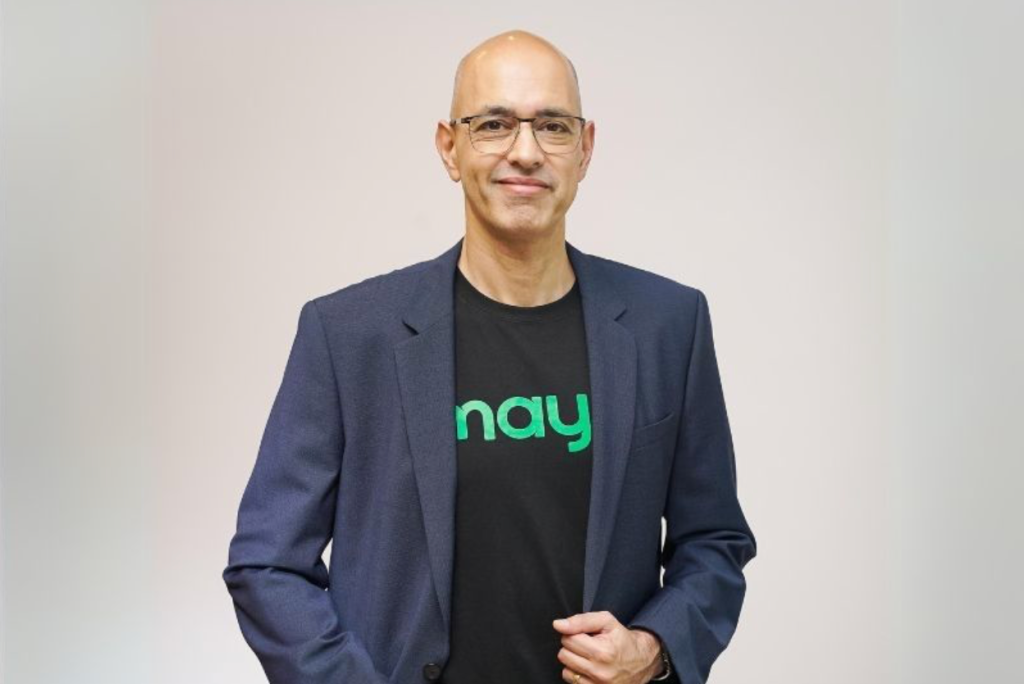
Shailesh Baidawan, Group President of Maya
Beyond bill payments, the partnership highlights a shared focus on modernizing public services through technology, supporting operational efficiency and more inclusive access to essential services nationwide.
Through SPUG, NAPOCOR operates power facilities in hundreds of communities across Luzon, the Visayas, and Mindanao, serving nearly one million households.
Many of these areas remain off-grid and have historically relied on manual bill collection, reinforcing the importance of digitizing payment channels to improve public service delivery.