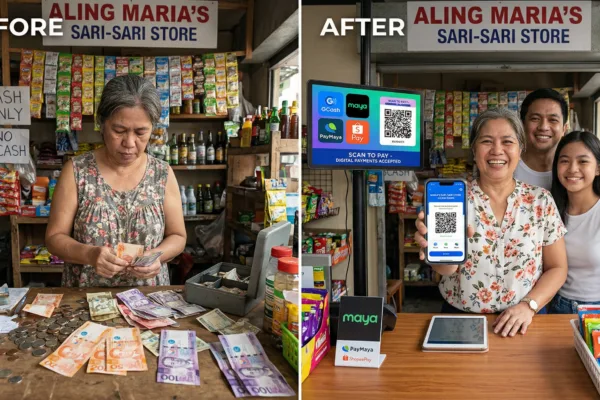



Digital banks in the Philippines are quietly transforming the way Filipinos save money.
I never expected that opening a digital bank account would change my approach to money. It started as a practical choice — faster transfers, higher interest rates, and fewer forms. Over time, I noticed subtle changes: I was meeting savings targets I had always struggled with, and tracking my progress became almost enjoyable.
According to a 2025 Inquirer report and a financial health survey by the Digital Bank Association of the Philippines, digital banking features like automated nudges and goal-based savings are improving how Filipinos manage money.

This experience mirrors a broader trend.
A 2025 Inquirer report shared that more Filipinos are now becoming financially savvy thanks to digital-first tools that make saving less of a chore and more of a habit. Digital banks are at the heart of this shift, using smart design and behavioral nudges to make saving easier, even for those with irregular incomes.
How behavioral design makes digital banks effective
Traditional banks rely on marketing or product complexity to attract customers. Digital banks, in contrast, focus on behavioral design, nudging users toward better financial habits.
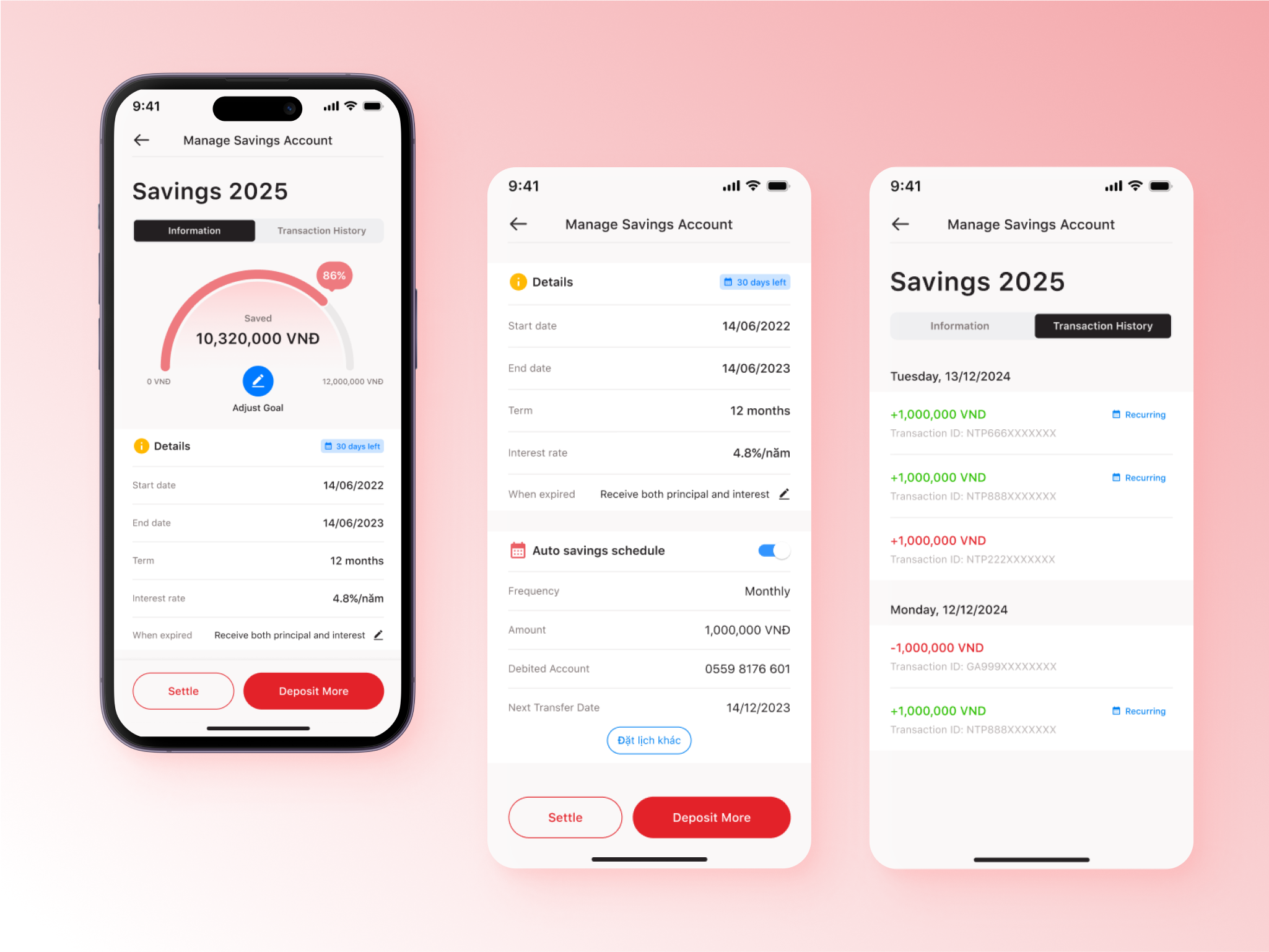
Key features include:
- Goal-based savings accounts
Platforms like Tonik, UnionBank, GCash, and Maya allow users to create dedicated “buckets” for emergencies, travel, or large purchases. Breaking savings into concrete goals makes tracking easier and keeps users motivated. - Automated nudges and reminders
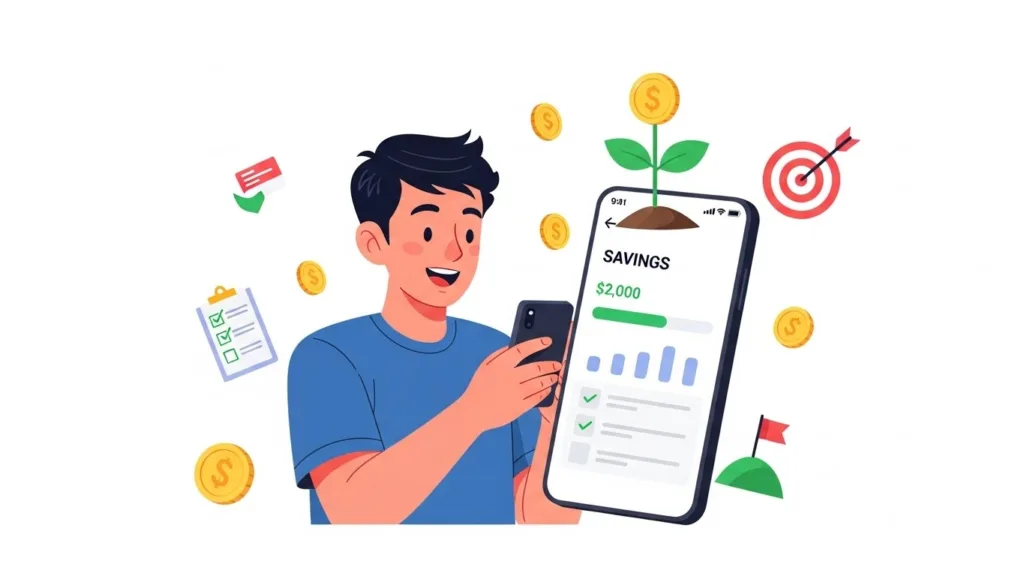
Friendly prompts encourage regular deposits. In my experience, receiving reminders to save small amounts daily or weekly helped establish a habit without feeling intrusive. - Visual progress tracking
Moving bars, percentages, and graphs turn abstract goals into visible milestones. Watching my emergency fund grow on an app created a sense of accountability I never felt in a traditional bank.
Why Filipino savers are embracing digital banks

Digital banks are successful not only because of design, but because they align with Filipino realities:
- Many rely on remittances or irregular income streams, making consistent saving difficult.
- Physical bank branches are limited, especially in rural areas.
- Traditional financial literacy rates are low, causing hesitation with conventional banking products.
By simplifying the saving process, digital banks offer tangible benefits. Even minor automated transfers or visual cues can have an outsized impact.
For many users, this is the first time saving feels measurable and enjoyable.
Where progress falls short
Despite impressive gains, digital banking cannot solve all challenges in Filipino savings habits. Major gaps include:
1. Financial Literacy Gaps
Nudges can guide behavior, but users still need foundational knowledge in budgeting, debt management, and investment. Without this, savings may be mismanaged despite consistent deposits.
2. Digital Adoption Barriers
Not all Filipinos have access to smartphones, reliable internet, or trust in online platforms. BSP data shows only about 30% of Filipinos regularly use digital banking features beyond basic transfers, leaving a large portion of the population underbanked.
3. Regulatory and Infrastructure Hurdles
Coordination between fintechs, regulators, and traditional banks is still evolving. Fragmented policies or slow infrastructure can limit digital banking reach and safety.
4. Over-Reliance on Technology
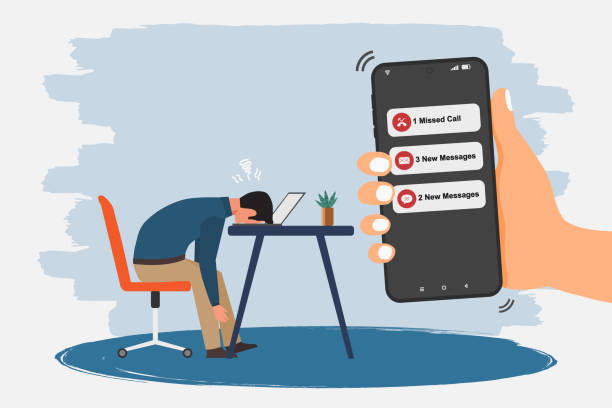
Apps can accelerate good habits, but dependence on automated cues risks undermining intrinsic financial discipline. If the app fails, so might the habit.
Stakeholders must bridge the gaps
For digital banks Philippines to foster lasting financial resilience, several actions are needed:
- Regulators: Encourage innovation while protecting consumers from fraud or over-leveraging. BSP licensing and cybersecurity frameworks are positive steps, but awareness and enforcement are key.
- Fintechs: Design inclusive, accessible products and integrate financial education into their apps. Gamification works best alongside real knowledge.
- Industry groups and NGOs: Run campaigns promoting digital saving best practices and basic financial literacy, especially in underserved communities.
Personal insights: Lessons from using digital banks
My experience provides four practical takeaways for Filipino savers:
- Start small and stay consistent
Even PHP 50–100 daily can grow into meaningful savings over time. Recurring automated deposits make this achievable. - Use goal-based accounts and visual cues
Dedicated savings buckets and progress bars increase ownership and motivation. - Treat apps as tools, not crutches
Digital banks accelerate habits but must be paired with budgeting, planning, and diversified saving strategies. - Celebrate milestones
Recognizing small wins reinforces positive behavior and helps maintain motivation.
The bigger picture: Towards financial resilience
Digital banks are not just disrupting the banking industry; they are reshaping financial culture in the Philippines. Their accessibility, automation, and behavioral design make saving less intimidating and more rewarding.
However, long-term impact depends on combining digital tools with financial literacy, infrastructure improvements, and regulatory frameworks. When these elements align, digital banks can turn short-term behavioral shifts into lasting financial resilience for millions of Filipinos.
Conclusion
Digital banks Philippines have quietly changed Filipino saving habits. They make goal-oriented saving accessible and engaging, helping individuals take their first steps toward financial discipline. Yet these tools alone cannot guarantee security. By addressing literacy gaps, adoption barriers, and regulatory challenges, stakeholders can ensure that early gains become sustainable, empowering Filipinos to not just save, but thrive financially.
Sources:
DiBA PH Financial Health Survey — shows how digital banking features are improving financial health and savings habits among Filipinos.
World Bank data on Filipino adults and financial accounts — gives credible figures on financial inclusion gaps that underscore why digital banks matter.
PhilStar report on fintech adoption hitting high levels — useful for demonstrating broader digital adoption trends.
BSP-backed financial literacy growth and digital bank outlook — supports your points about literacy gaps and the need for education.