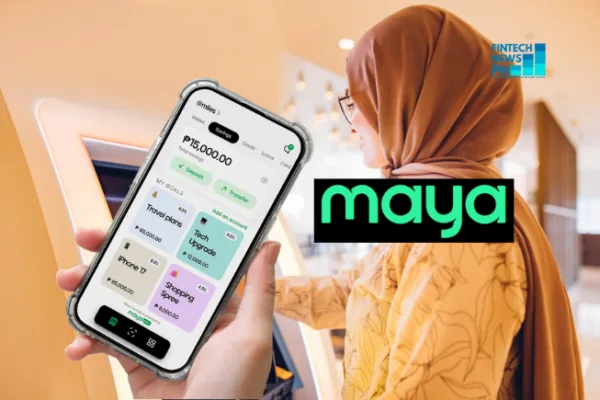




As the Philippines pushes deeper into a digital-first economy, small and medium-sized enterprises (SMEs) are finding themselves at a crossroads: customers are demanding seamless, cashless payment experiences, yet many merchants remain weighed down by legacy systems, rising operating costs, and fear of adopting unfamiliar technologies.
Singapore-based fintech HitPay believes this gap is where the country’s next major wave of SME innovation will emerge.
In an exclusive interview with FintechNewsPH, Aditya Haripurkar, CEO and Co-founder of HitPay, said the company’s mission in the Philippines is clear: make digital payments “simple, secure, and accessible” for every business — from sari-sari stores and market vendors to online sellers and emerging local brands.
Cash still king — but cracks are forming
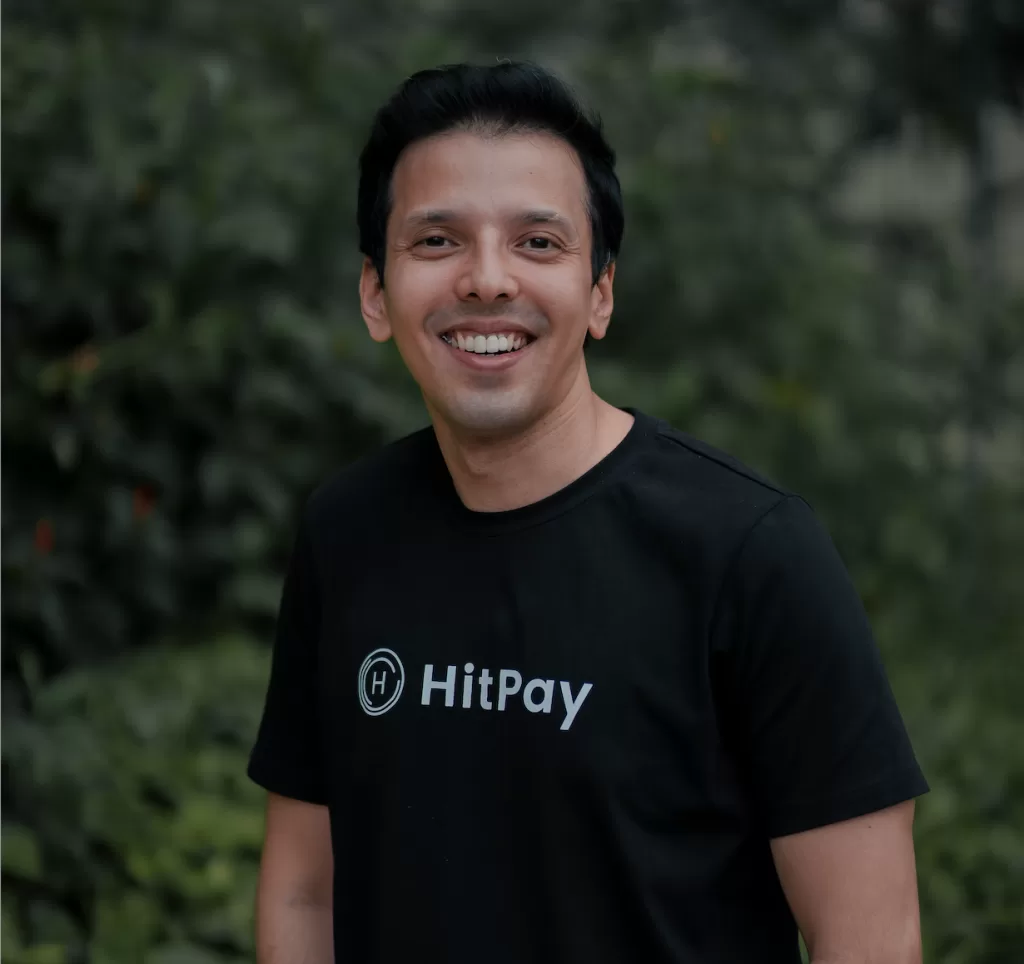
Aditya Haripurkar, CEO and Co-founder of HitPay
Haripurkar acknowledges what every Filipino entrepreneur knows: despite impressive growth in digital payments, cash remains deeply rooted in daily commerce. For many micro and small retailers, going cashless still feels intimidating.
“This isn’t just a technical hurdle but a cultural one,” Haripurkar explained. “There’s a real trust gap when it comes to digital payments — concerns about security, system complexity, and not understanding how digital tools actually benefit them.”
HitPay’s response is to remove that friction entirely.
The platform operates on a Pay-Per-Transaction model, eliminating monthly fees, lock-ins, and costly hardware — a major barrier for SMEs operating on tight margins. It integrates directly with GCash, Maya, and the national QR Phstandard, making digital payments as familiar as scanning a QR code.
Through programs like Paleng-QR PH, HitPay is embedding itself in traditional retail communities where digital adoption has historically lagged.
“We’re bringing cashless tools directly to the local markets that form the backbone of Filipino commerce,” Haripurkar said.
HitPay: Making payments as intuitive as messaging apps
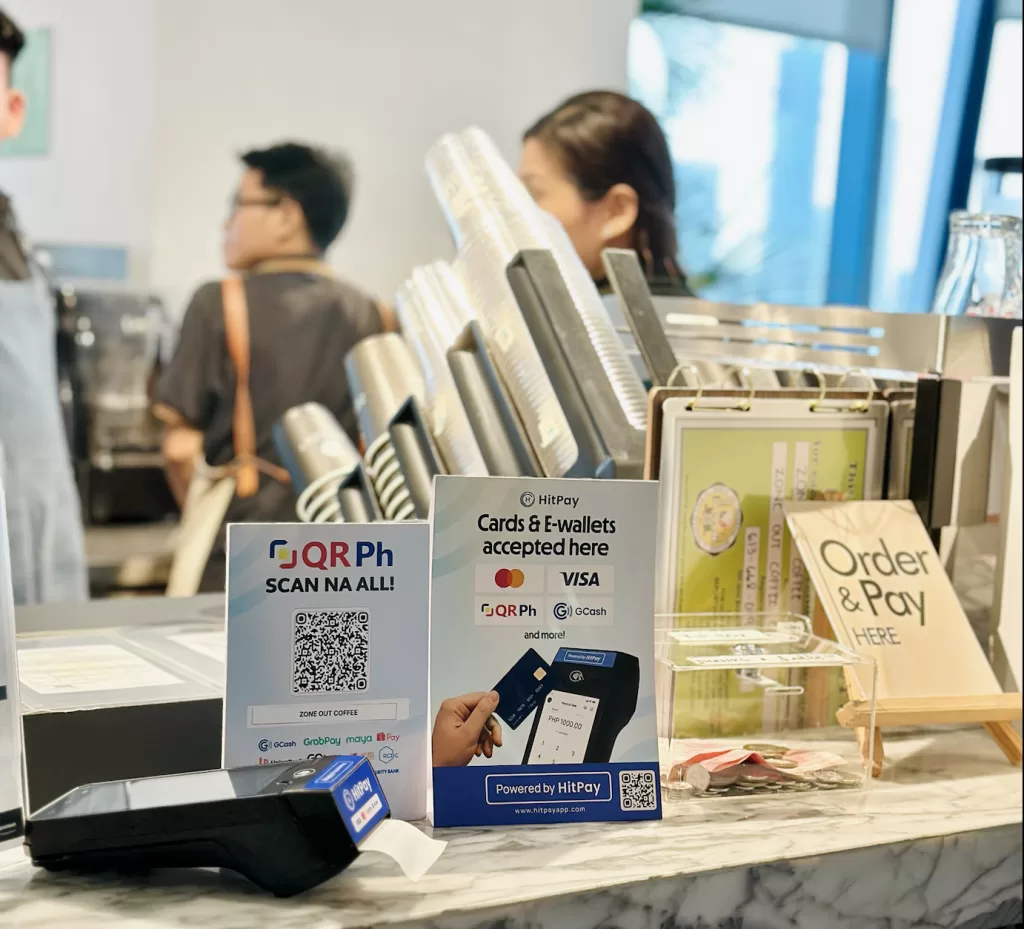
A major focus of HitPay’s Philippine strategy is radical simplicity.
“In markets with low tech familiarity, the biggest barrier is not infrastructure — it’s confidence,” Haripurkar said.
Onboarding is designed for non-technical business owners: merchants scan a QR code, select their preferred wallets, and begin accepting payments within minutes. The interface avoids jargon and integrates with tools SMEs already use — POS systems, website builders, invoicing platforms, and payment links.
For customers, HitPay ensures checkout processes remain fast, transparent, and consistent, helping merchants build digital transaction histories crucial for financial visibility and eventual access to credit.
Local insights shaping a regional strategy

While HitPay operates across Asia, the Philippines presents a unique opportunity: a huge SME economy, fast-growing digital adoption, but relatively low digitization maturity.
“The Philippines is one of the most attractive markets in ASEAN for digital transformation,” Haripurkar said. “But its informal business culture and fragmented payment landscape require a highly localized approach.”
QR codes were prioritized because of their everyday use in transport, food services, and retail. HitPay’s tools are designed for community-based businesses where trust and familiarity outweigh advanced technical features.
The company’s approach aligns closely with government pushes for financial inclusion — helping SMEs not only accept digital payments, but build financial identities and formalize operations.
Visa and Yuno partnerships unlock new revenue models
HitPay’s momentum in the Philippines is reinforced by two major partnerships: direct integration with Visa and recurring billing via Yuno.
Visa integration: A major step forward
The company’s direct connection to the Visa Acceptance Platform removes costly and complex inThe company’s connection to the Visa Acceptance Platform removes costly intermediaries — a long-standing challenge for SMEs.
HitPay can now offer:
- EMV-certified card readers for secure in-person transactions
- Tap-to-phone capabilities for mobile card acceptance
- Instant online activation with minimal setup
“As more Filipinos gain access to debit and credit products, card acceptance becomes critical,” Haripurkar said. “We’re ensuring SMEs can accept cards without high setup costs.”
Recurring billing and subscriptions via Yuno
HitPay’s integration with Yuno unlocks subscription-based and recurring payment models — a capability previously difficult for local SMEs.
“This is huge for gyms, SaaS companies, service providers, and e-commerce brands,” Haripurkar noted.
Automated collections through wallets and local payment methods reduce missed payments and improve customer retention — giving SMEs new levels of income stability.
Digital payments boosting real business growth
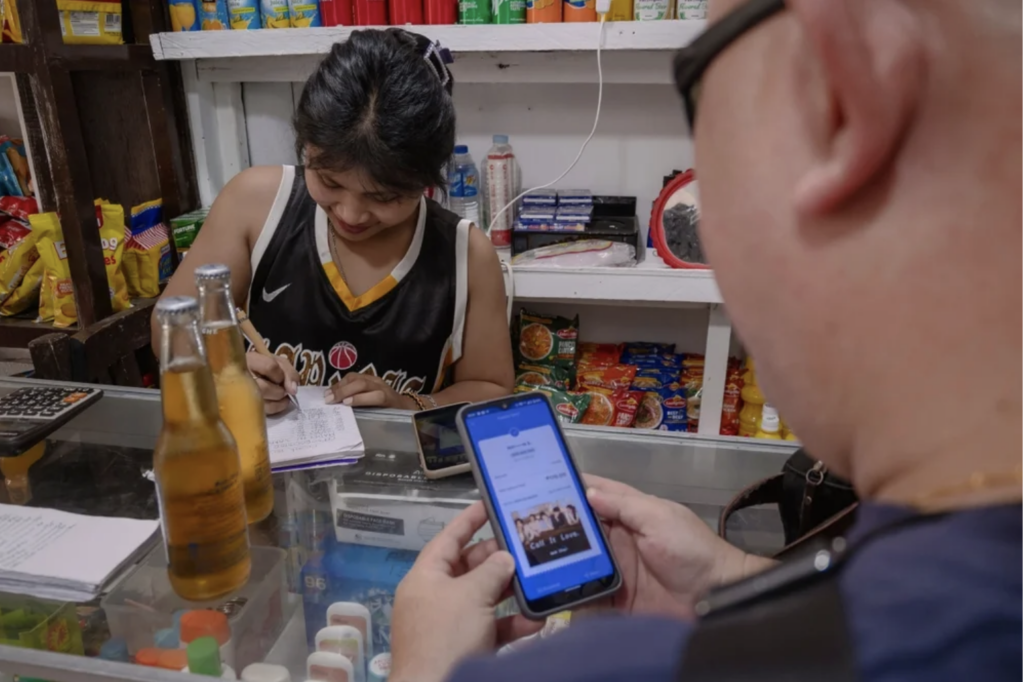
HitPay’s internal data shows that SMEs adopting digital payments — particularly cards and e-wallets — experience:
- higher conversion rates,
- faster checkout times, and
- increases in average transaction value.
“Merchants report not just higher turnover but also broader customer reach,” Haripurkar said. “Digital-savvy Filipinos expect options, and businesses that offer more payment methods simply win more sales.”
What’s next: Wider access, lower costs, more innovation
HitPay’s priorities for 2026 and beyond focus on three pillars:
- Expanding financial inclusion, especially in rural and informal sectors
- Improving payment experiences with more intuitive, lower-cost tools
- Broadening payment options, including recurring and cross-border payments
“Our goal is to help Filipino businesses thrive in a digital-first economy,” Haripurkar said. “The more flexible, secure, and accessible payment tools we provide, the more competitive SMEs become.”