



Amid mounting uncertainty in the Middle East’s oil-dependent economies, many overseas Filipino workers (OFWs) are feeling the strain of tighter budgets and job insecurity.
Yet even as the ongoing oil crisis puts pressure on incomes, a new digital payments partnership is offering a timely lifeline — making it easier for Filipinos in the UAE to continue sending money home quickly and reliably to support their families.
Aimed at streamlining remittances, digital wallet platform du Pay has recently partnered with GCash to enable near-instant fund transfers from the UAE to the Philippines. The collaboration is designed to address a core need among OFWs: ensuring that hard-earned money reaches loved ones without delay and can be used immediately.
For many Filipinos abroad, remittances are not optional — they are a responsibility. From covering school fees to paying household bills, these transfers sustain millions of families back home.
Near-instant remittances to ease cross-border financial stress
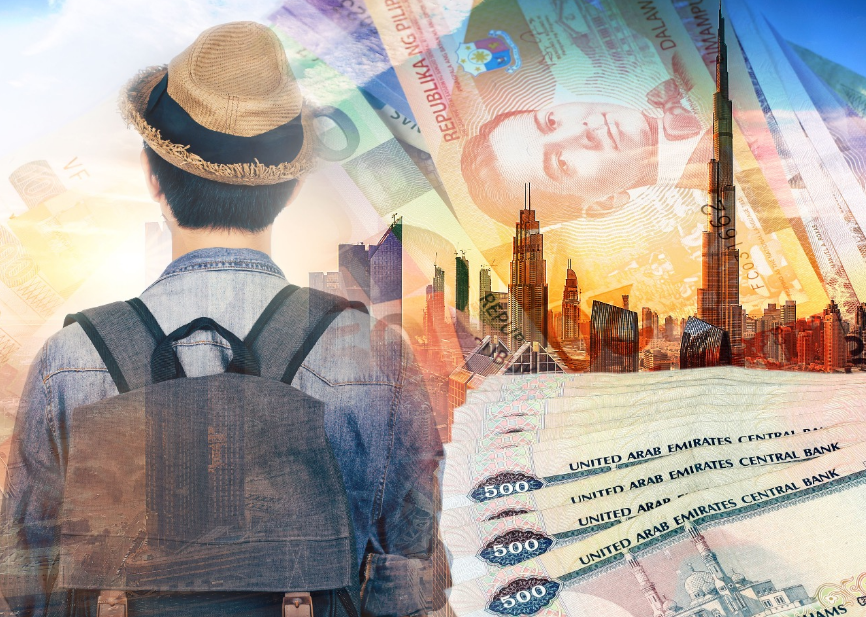
Under the new tie-up, funds sent through du Pay can arrive in GCash accounts within minutes. Once received, recipients can instantly use the money for everyday expenses, eliminating the need for cash withdrawals or long processing times.
That immediacy is especially critical in times of economic uncertainty. With oil price volatility affecting employment conditions across parts of the Middle East, the ability to send and access funds seamlessly can help families remain financially stable despite external pressures.
The partnership also reflects how Filipinos manage money across borders. GCash is one of the Philippines’ most widely used financial apps, while du Pay continues to expand its footprint among expatriates in the UAE.
By linking the two platforms, the service connects users within familiar digital ecosystems — reducing friction and making each transaction more practical.
Digital remittance shift boosts migrant flexibility and control

Beyond speed, the integration enhances flexibility. Money sent home can be used instantly for payments, savings, or mobile top-ups, giving recipients greater control over how funds are allocated.
This aligns with the broader shift toward digital financial services, both in the Philippines and the UAE, where authorities are pushing for a largely cashless economy by 2026.
Filipinos remain among the most digitally active remittance users globally, often quick to adopt platforms that offer convenience and added value. Both du Pay and GCash are expected to roll out further features and incentives in the coming months to build on this momentum.
At its core, the partnership strengthens one of the most vital financial lifelines for migrant workers: sending money home. And in a period marked by economic headwinds, that lifeline has never been more important.